Politicians, Photo Ops and Preschoolers: Should ECE Services Say No?
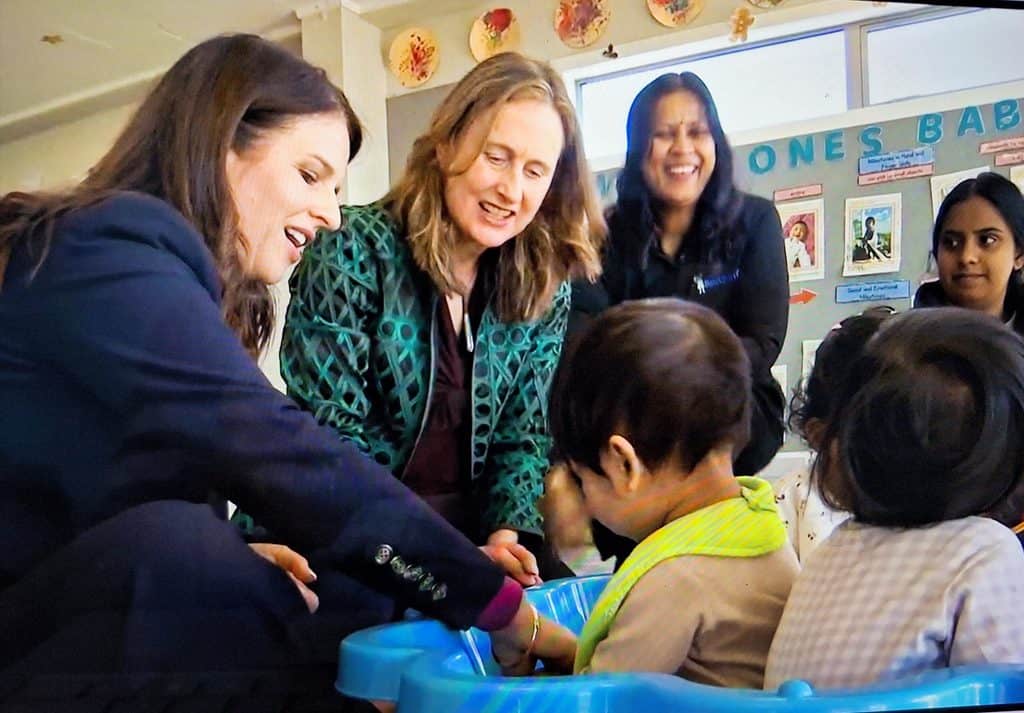
With New Zealand's general election just weeks away, politicians will be looking for opportunities to connect with voters and generate positive media coverage.
Election 2026: A Guide to Political Party Promises for Early Childhood Education
The countdown to the 2026 election is on, and early childhood education is back in the spotlight. Some parties have already shown their hand, others…
Election 2023: Coalition Agreements and Political Party Policies Relevant to ECE
Contents 1. What's in the Coalition Agreements of relevance to ECE? 2. Who are the new Ministers? 3. What did the main political parties promise…

ECAC’s Blind Spots: Why the Ministry Isn’t Getting the Best ECE Advice
The Ministry’s review of its early childhood advisory committee exposes deeper failures in sector oversight and explains why it struggles to obtain balanced, credible advice.…

Ministry of Education’s Early Childhood Advisory Committee (ECAC) in Urgent Need of Complete Overhaul
Initially, I set out to write a straightforward description of the Early Childhood Advisory Committee (ECAC). I reviewed newsletters, clippings, quotes, and documents relating to…
Timeline of Significant Events and Political Turning Points
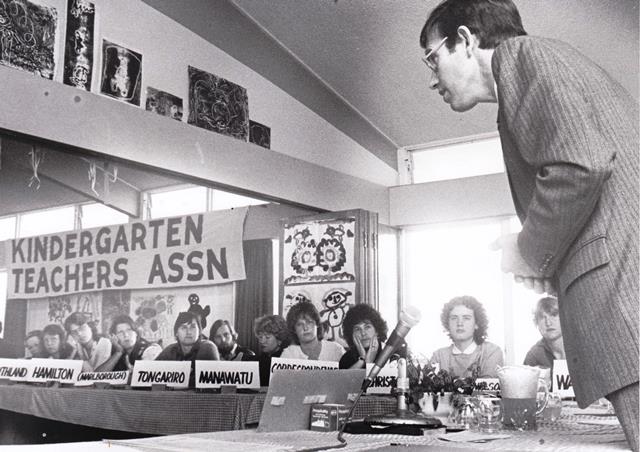
Timeline of Early Childhood Education Events and Political Changes from the 1980s to Today 1982 –The first Kohanga Reo opened and Kohanga Reo were…
The Politics of Improving the Quality of ECE
This article on an "Agenda for Quality" by Dr Sarah Alexander extends on one originally published by the NZ Herald, March 3, 2017. There's a…
Election 2020: Political Party Election Promises for ECE
Political promises for ECE 2020. Labour Implement the 10-year Early Learning Action Plan.Scrap the decile system and implement the Equity Index for ECE services, and…
Election 2017: Political Party Promises for ECE
What each Political Party is offering for Early Childhood Education going into the 2017 General Election. National The National party has not released specific policies…
Election 2014: Political Party Promises for ECE
Political party promises 2014. The county’s political parties have mostly finalised their policies on which they will compete for votes. Early childhood education has not…

Policy & ECE Funding Challenges in 2012: Has Anything Got Better?
Policy and funding challenges for ECE in 2012. "At first glance our early childhood education system seems to be in a shambolic state and appears…
Election 2011: Political Party Promises for ECE
Election Promises made by political parties in 2011. Contents: News Article The early years are recognised by most as crucial to a child’s development and…

Categories
Categories
- Archive: Historical Articles (16)
- ECE Newsroom (301)
- Public Area (197)
- New Zealand Public Information (99)
- Resources (8)
- Annual Lists of ECE Services Facing Regulatory Action (13)
- Quality ECE: What It Looks Like & How We Measure It (8)
- Funding Rates, Parent Fees, FamilyBoost & Childcare Subsidies (8)
- Parents’ Guide: ECE Options, Choosing Well & Your Rights (14)
- Survey Results & Investigation Reports (14)
- Working in ECE: Pay Rates, Qualifications, Support (8)
- People Profiles and Career Stories (20)
- ERO, Ministry of Education, & ECE Stakeholders (4)
- Your A–Z Guide to ECE Terms & Concepts (3)
- The Big Issues in Early Childhood Education and Care (102)
- New Zealand Public Information (99)