
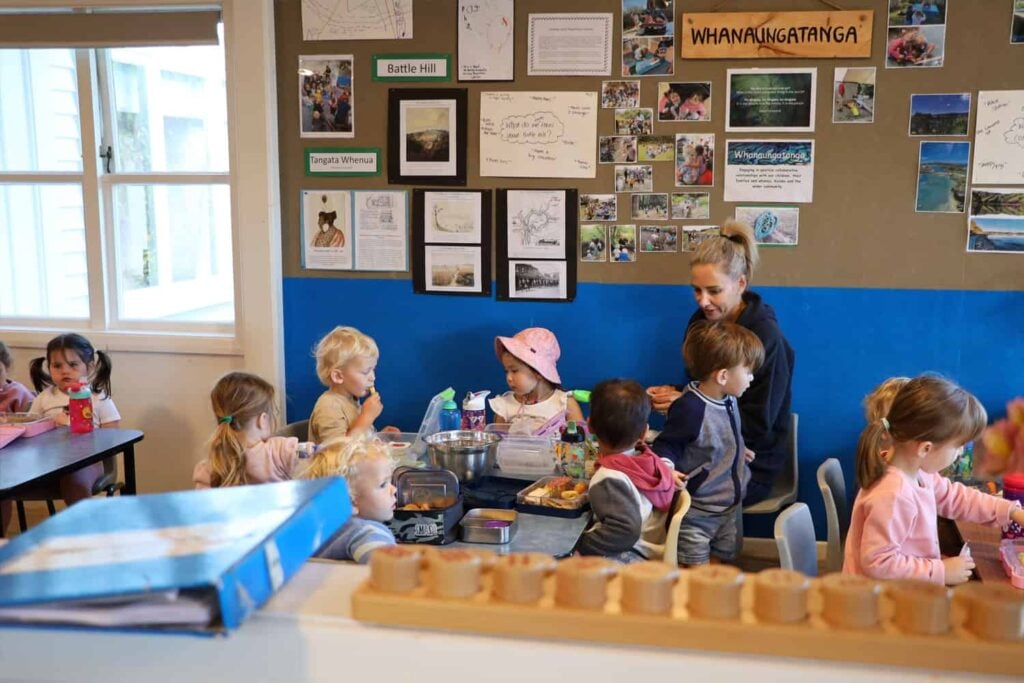
An Example of a ‘Teaching Story’
In this article, I take a critical, but slightly light-hearted gaze at the professional learning benefits of developing a teaching story. I recommend that by
You are not logged-in. Or, you don’t hold an active membership for this particular area.
Check if this membership is relevant to you.
In this article, I take a critical, but slightly light-hearted gaze at the professional learning benefits of developing a teaching story. I recommend that by
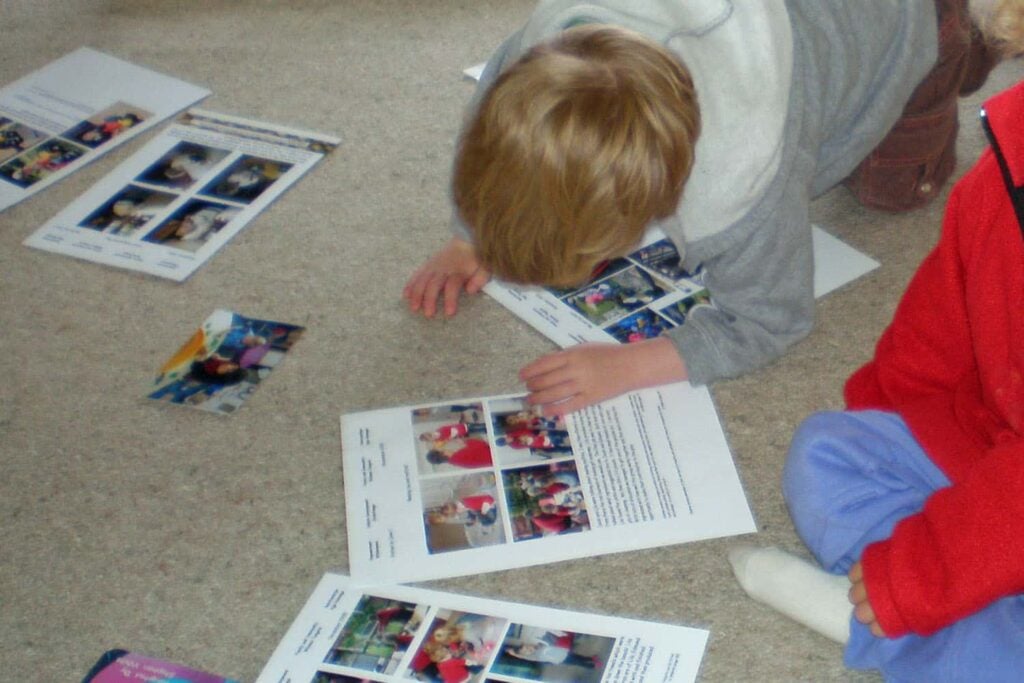
Learning stories remain the most commonly used assessment approach, yet the way they are written can differ widely between settings. Even though teachers and home‑based educators understand the general purpose of learning stories, many still wonder what the best practice looks like and how to do them well.
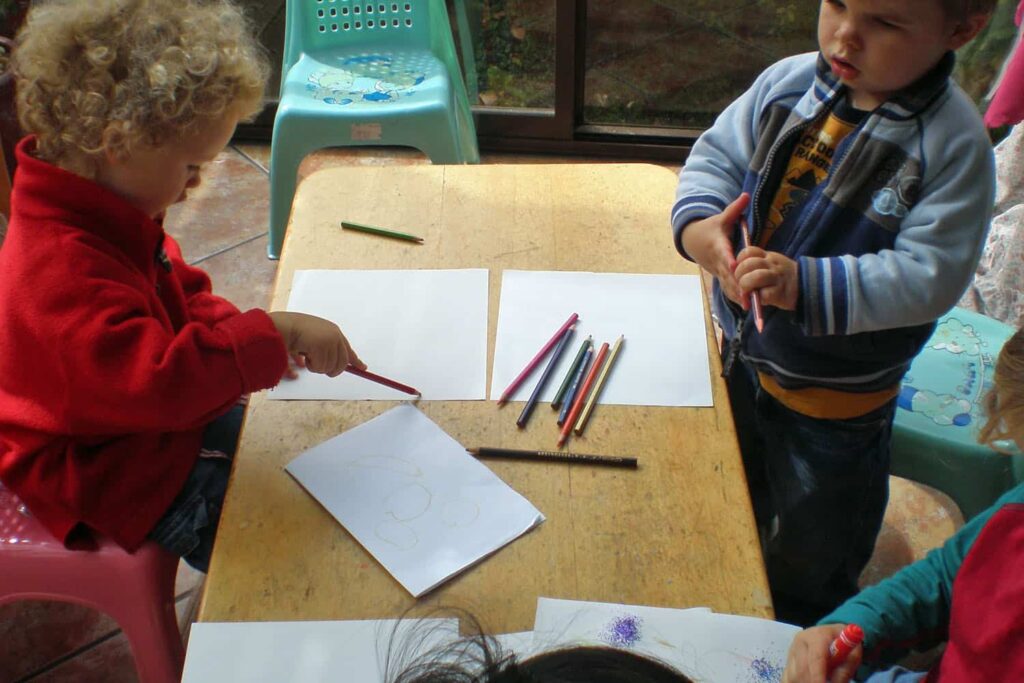
Learning Notes.
In most early childhood education (ECE) settings children’s learning is assessed using the Learning Story technique.
Dr Ken Blaiklock
However there has been criticism of this form of assessment with some people arguing it does not give an adequate picture of a child’s development.
In contrast to Learning Stor
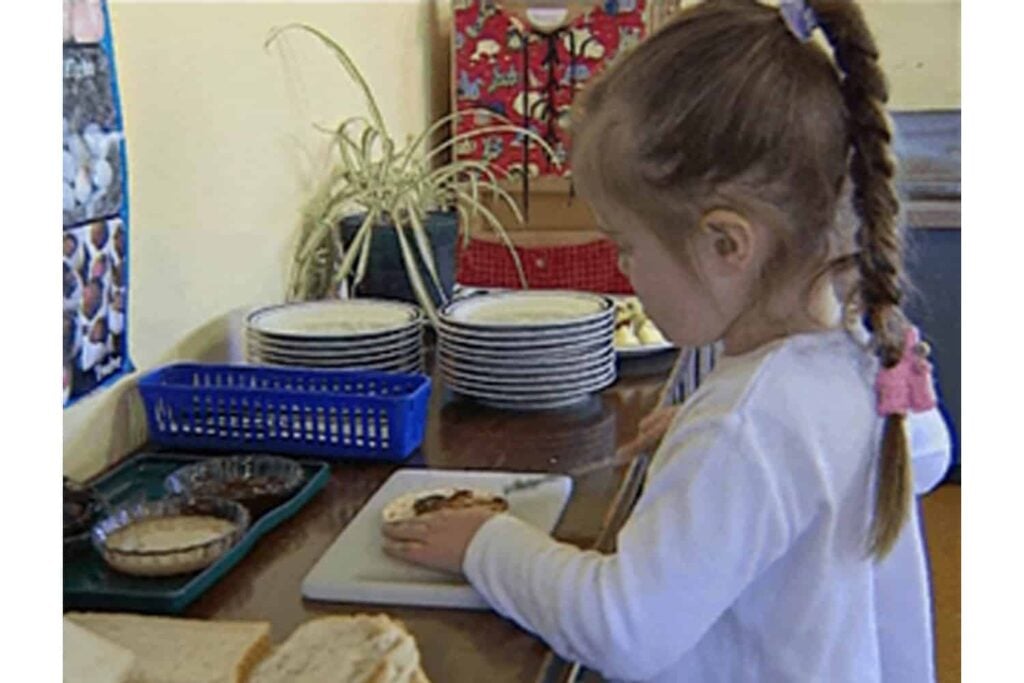
Individual Education Plan Appropriate for Young Children and in Early Childhood Education Services.
How are teachers and parents to know what a child is really learning and establish joint goals, assessment and feedback?
Use the ‘Individual Education Plan’ template provided below.
This includes instructions and an example.
Print v
School Entry Assessments.
One of the most important things an early childhood service can do for its older children is to help them prepare for school.
Shortly after they begin school new entrants will be assessed by their teachers.
These assessments are called school entry assessments and take place between four and eight weeks afte
Assessing Reading Readiness – 7 Signs a Child is Ready to Go from Listening to Reading.
How can you tell if a child is ready to go from listening to stories to reading stories? The best way to know is to look at the behaviours, skills, and interests which indicate that a child is ready for reading. The checklist can be useful also as
It is now some years since the Learning Stories approach to assessing children’s learning caught on and was widely and uncritically adopted by early childhood professionals in NZ.
Here we open up discussion and reflect on the use of the Learning Story approach to child assessment and how well it is working for teachers and children.
There
E-Portfolios in Early Childhood Education. By Julia Button.
This article describes and discusses the use and place of e-portfolios in early childhood education. Considerations for using e-portfolios and limitations are outlined. A special section looks at the involvement and contribution of families and others to children’s e-portfolio
Narrative Approach to Child Assessment.
While our country’s youngest children are not assessed with end of year tests or other formal assessments, the Ministry of Education does require early childhood education (ECE) services to be ”informed by assessment, planning and evaluation (documented and undocumented) that demonstrates an understandi

Help spread this vital ECE information, join our free social and email groups and become a member of OECE.
Sign up to our free newsletters.