
More Locks, Higher Fences, Better Supervision? What 53 Incidents of Children Escaping from ECE Reveal
More than 50 incidents of children leaving early childhood education services without adult knowledge were recorded in 2025, but the true extent of the problem…

Politicians, Photo Ops and Preschoolers: Should ECE Services Say No?
With New Zealand's general election just weeks away, politicians will be looking for opportunities to connect with voters and generate positive media coverage.

NZ Is Producing About Half as Many New ECE Teachers as It Did 15 Years Ago. Why?
NZ is producing about half as many new early childhood teachers as it was 15 years ago, and new government data suggests the sector is…

Election 2026: A Guide to Political Party Promises for Early Childhood Education
The countdown to the 2026 election is on, and early childhood education is back in the spotlight. Some parties have already shown their hand, others…
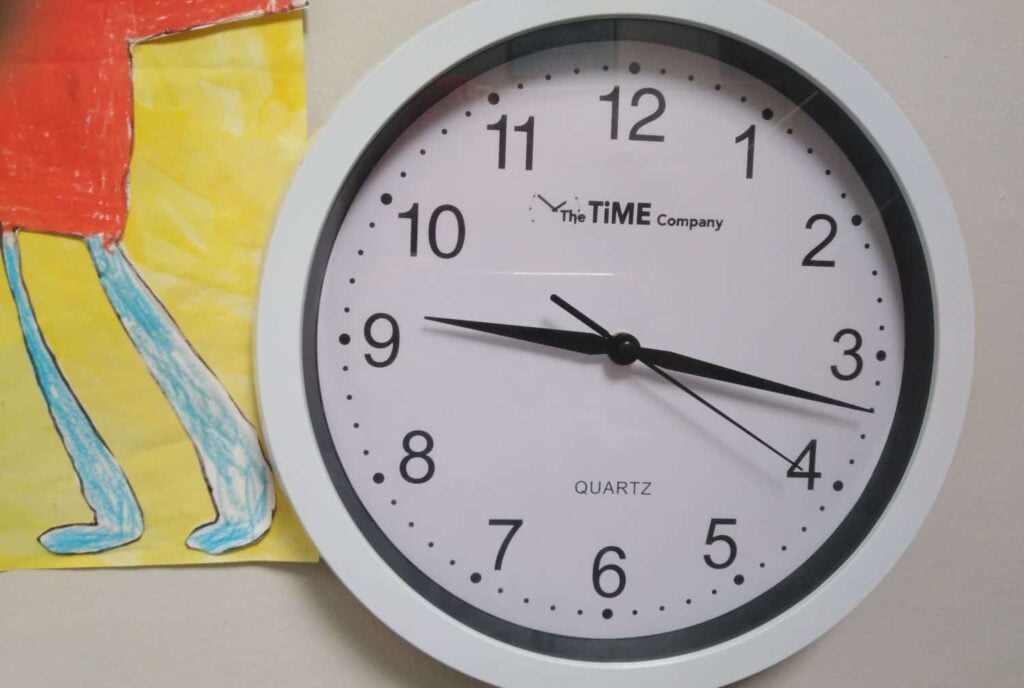
Under-5s in ECE feel the Daylight Saving Switch the Most
Under-5s in ECE feel the Daylight Saving Switch the Most Clocks went forward an hour on Sunday and its young children, our under-5s, who feel…

Mahuru Māori Has Started: Are You Up to Challenge Yourself to Use As Much Te Reo as You Can?
Mahuru Māori: is an initiative that can help challenge you to use as much te reo as you can. Depending on your level of fluency…

A Transfer That Wasn’t: Ministry of Education’s Entire ECE Regional Regulatory Workforce Disestablished
The transfer of early childhood education regulatory functions from the Ministry of Education to the Education Review Office did not include the transfer of any…

ECE Funding Approvals Now Routed Through ERO, Creating A Two Agency System
Associate Education Minister David Seymour said transferring regulatory functions from the Ministry of Education (MoE) to the Education Review Office (ERO) would create clearer education…

ERO’s Takeover of the Ministry’s SELO 1 Funding Contradicts Regulation Requiring Providers to Pay for Compliance Support
ERO has taken control of a key ECE support fund previously administered by the Ministry of Education, raising questions about how the funding will operate…

New Shoots Ltd–Educare Group Ownership Shift Highlights Regulatory Gap Allowing Companies to Acquire Large Numbers of Centres Without Change of Provider Checks
A major ownership change in New Zealand’s early childhood education (ECE) sector has highlighted a regulatory gap that allows companies to acquire large numbers of…

Spring is Here! Celebrate the Season With Children
Spring naturally prompts conversations about seasons, weather, temperature, and changes in nature.

TeachNZ Scholarships and Financial Support
The right scholarship can remove huge financial barriers and get you into the teaching profession faster. If you're thinking about becoming an early childhood teacher,…