
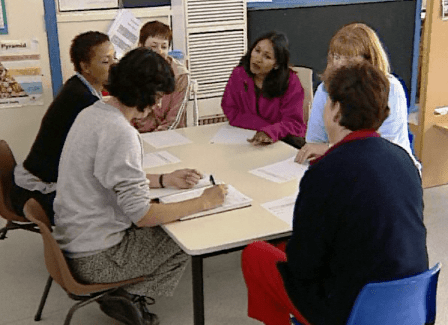
Record of Meetings – Writing the Minutes
This explains why and how to keep a record of meetings and what to record when writing the minutes. Why take Minutes Keeping a record
This explains why and how to keep a record of meetings and what to record when writing the minutes. Why take Minutes Keeping a record

Staff meetings can work really well with the right Agenda and planning. Here’s how to achieve and cover what is important and make sure no meeting is a waste of valuable time.
Scroll to near the end of this page for a sample Agenda and sample planning docs.
There is no specific regulatory requirement to hold staff meetings. But services fi
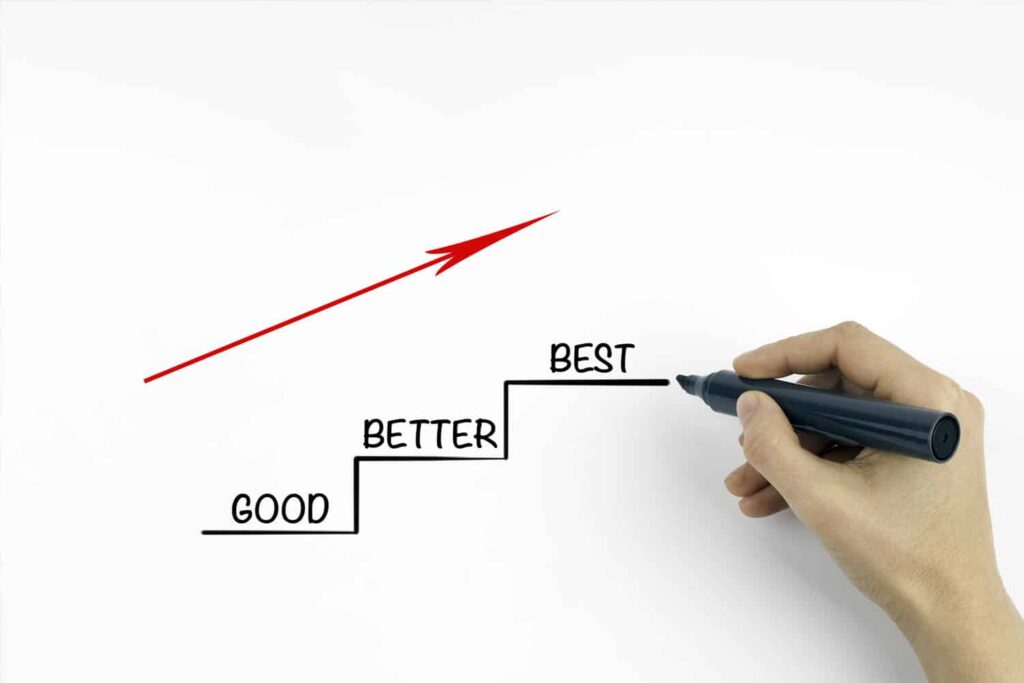
Beyond Regulatory Standards and Expectations to Building Quality.
There seems to be so much to do in trying to provide a quality service, does there not?
Is all your work worth it or could a change in focus and method achieve better results?
To help you to think critically on this consider the following:
Who defines what quality is? A

Internal Evaluation and the Education Review Office.
Ongoing reflection and review of practice has always been a priority for ECE teachers to ensure that they are the best teachers they can be and are providing best outcomes for children.
From their initial teacher registration, teachers are taught to reflect on their practice and this is

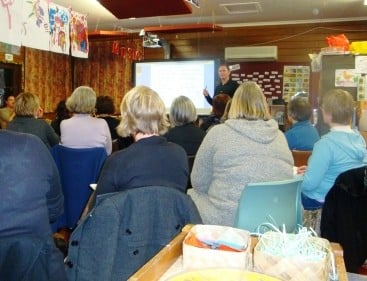
The group is in the midst of the strange ritual known as ‘The Staff Meeting’. In this gathering, the leader communicates to the group, the tasks to be achieved, assigns duties and informs them of new requirements, rules and expectations.
An important part of the ritual is the response from the group, to the leader’s communications. Sometimes this is given at the time, whilst other groups wait until the leader has gone to utter the loud and anguished cry, “Aaaaaaargh!#$%! Not another thing to do!” Following this, they get on and do as requested.
Working in ECE we are very familiar with change and new expectations. We’re a very adaptive species. However, we have a tendency to just add on the new task, rather than look to see how it can be incorporated with existing tasks – or even replace some of them.
This paper is about working more effectively, rather than behaving like pack-horses and adding more burdens as they plod onwards, up the hill.
Self-Review and The Quality Journey: Is there a Leader at the Helm? By Anne Grey.
This article explores the role of the leader in early childhood centre self-review.
Two case studies of centres that had successfully completed self-review in the previous twelve-month period were undertaken. The leader of each centre was interviewed, the
You are not logged-in. Or, you don’t hold an active membership for this particular area.
Check if this membership is relevant to you.

Help spread this vital ECE information, join our free social and email groups and become a member of OECE.

Sign up to our free newsletters.