
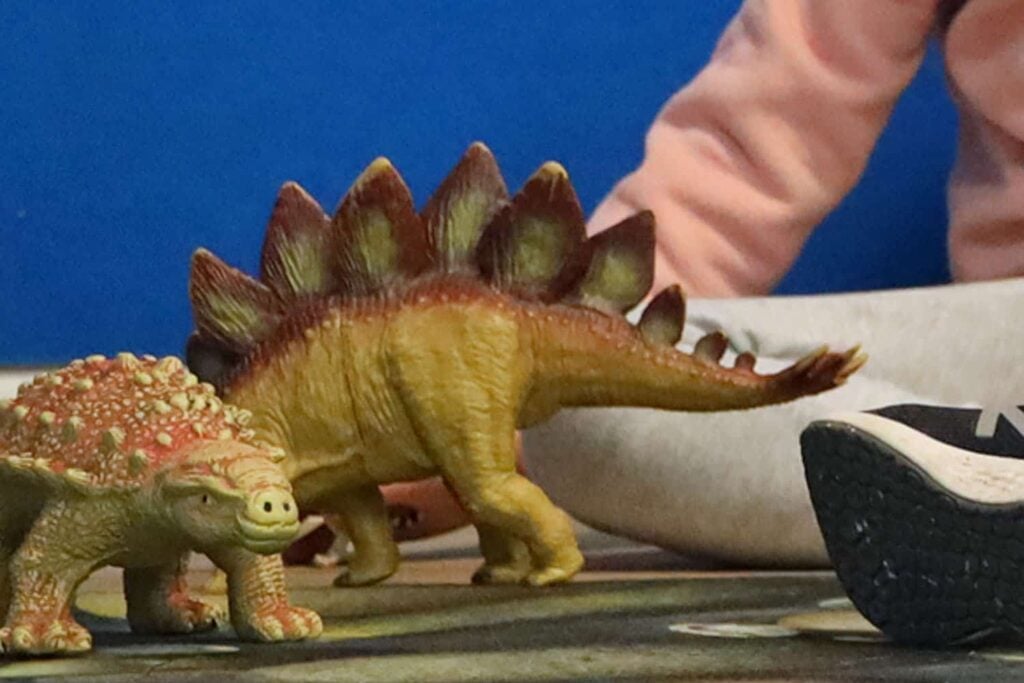
ADHD: Attention Deficit Hyperactivity Disorder
Children with ADHD in ECE. ADHD is a biological disorder which is most often seen in school age children but can also be present in
You are not logged-in. Or, you don’t hold an active membership for this particular area.
Check if this membership is relevant to you.
Children with ADHD in ECE. ADHD is a biological disorder which is most often seen in school age children but can also be present in
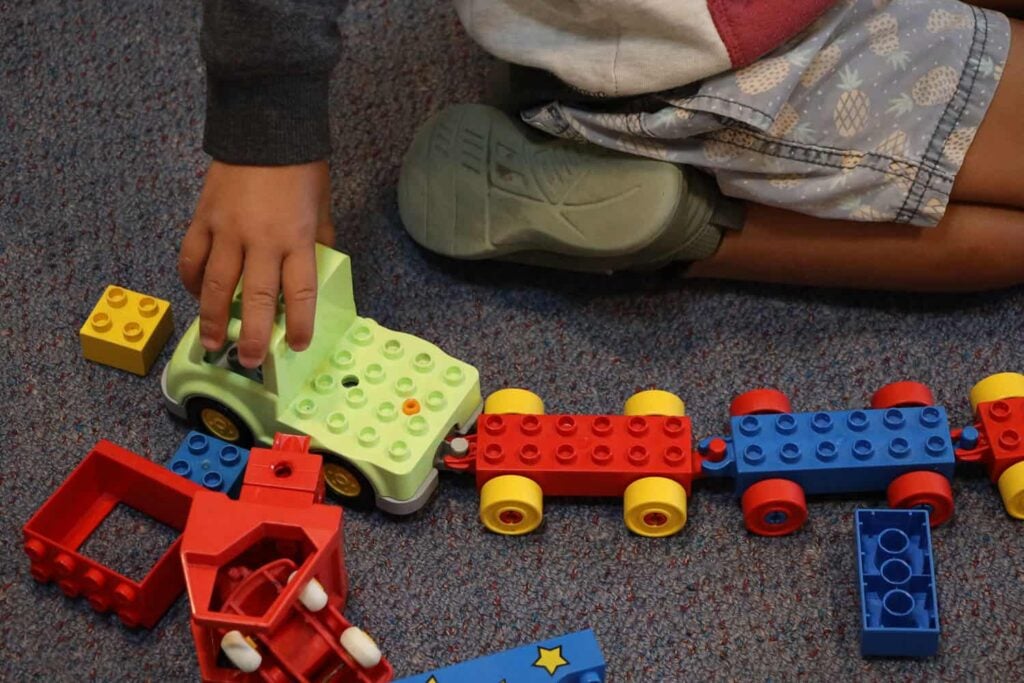
Dear Fellow Teachers,
I’ve recently been approached by the mother of a child with ASD and Sensory Integration Disorder.
He is 3 and a half and finds a standard ECE environment too overwhelming – noise in particular but also visual stimulation and movement affect him adversely.
We had a long discussion about the unspoken belief that all children thrive in a visual stimulating and noisy environment.
The mother has investigated
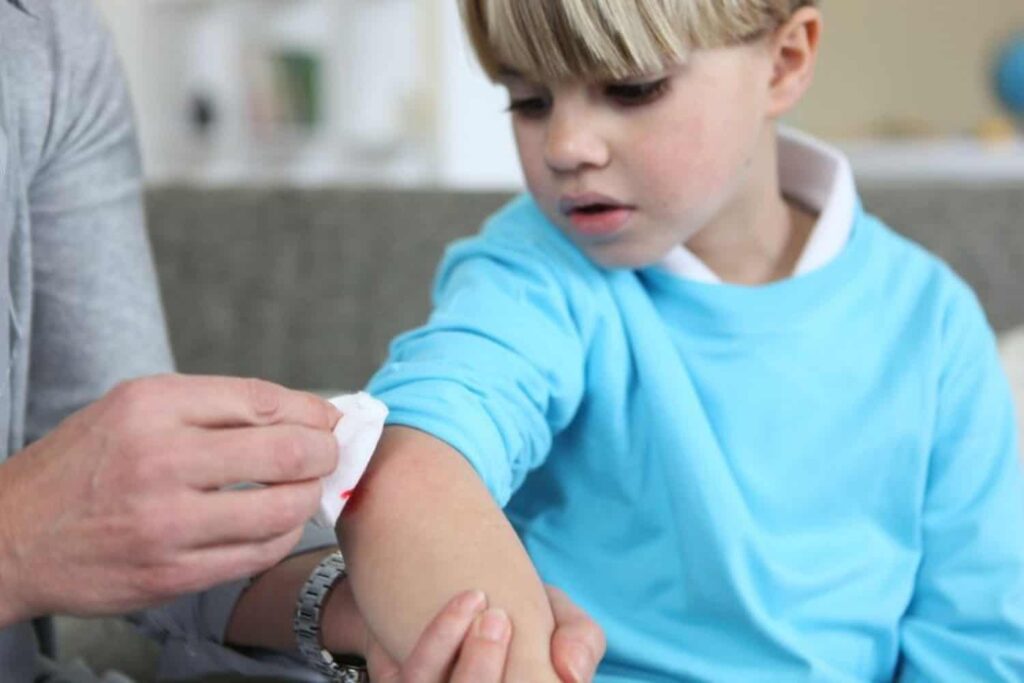
Eczema is quite common among young children. Some children grow out of it but this knowledge doesn’t help children, parents and teachers who are daily coping with it. There are times when it will flare up, and when infection happens, and there may be no apparent reason for this. Learn to manage rather than letting it manage you.
A child wi
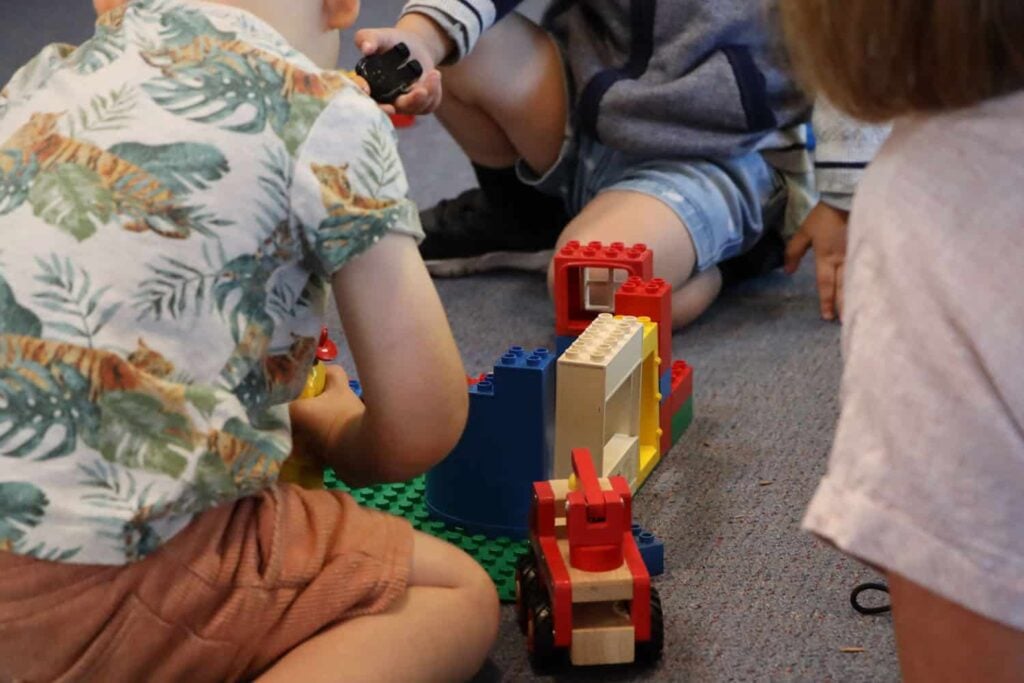
Children with Asperger’s in ECE.
Here is an overview of what every parent, educator and child carer needs to know about Asperger’s Syndrome. It answers common questions such as:
What is Asperger’s Syndrome?How do I know if a child has Asperger’s?What are the earliest signs in infancy, toddlerhood and the preschool years? W

What is diabetes? What does it mean for a young child to have diabetes? What does it mean for the child’s family, caregivers and preschool? How can you help support the diabetic child?
This article will answer many of the questions you may have about diabetes and caring for and teaching a young diabetic child.&n
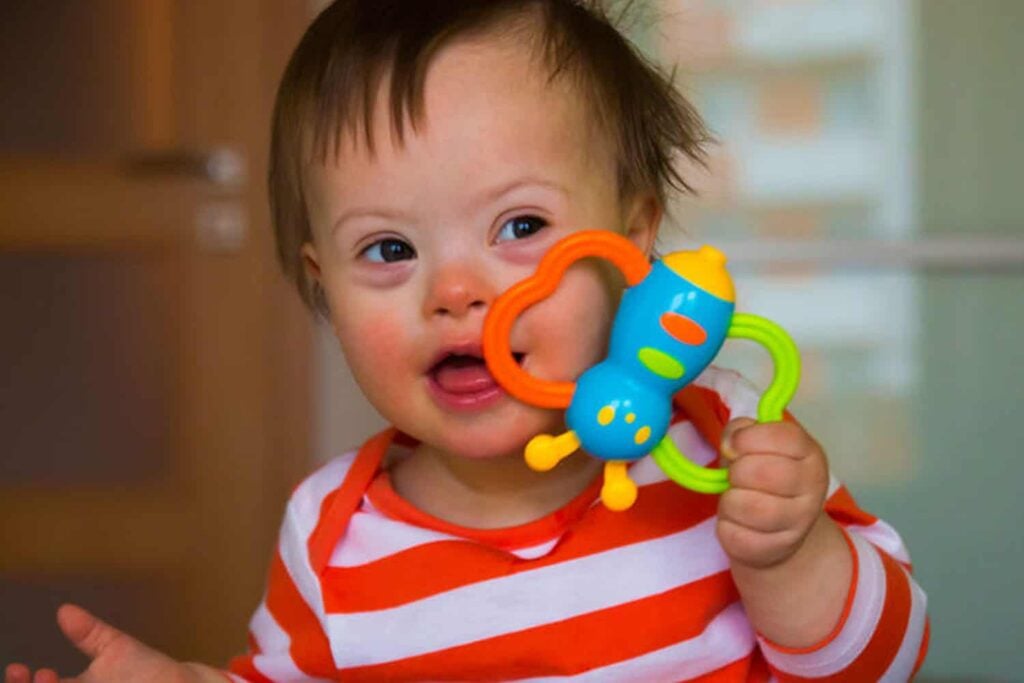
As every child is unique in an early childhood setting, there will be children with additional needs.
These could be physical differences, such as children with cerebral palsy or who are vision or hearing impaired; or it could be less visible conditions such as autism spectrum disorders or behavioural difficulties.
Regardless of the type of
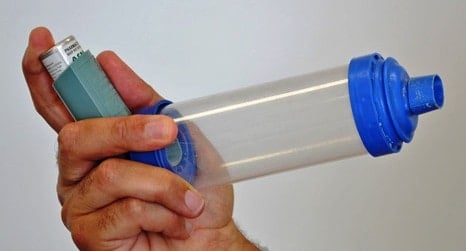
Asthma is quite common among children but many of them will grow out of it as they get older. Around one in four New Zealand children show signs of asthma at some time.
This article tells you about the known causes of asthma, treatments, when a child may or may not have asthma, and practical ways of improving the home and early childhood centre
Children with Autism ASD in Early Childhood Education.
How often have you seen a child acting inappropriately in social situations, appearing to ignore what others say, or over-reacting to loud noises?
Children with such behaviours are often thought to be naughty or treated as a ‘problem’. Some early childhood services have policies tha
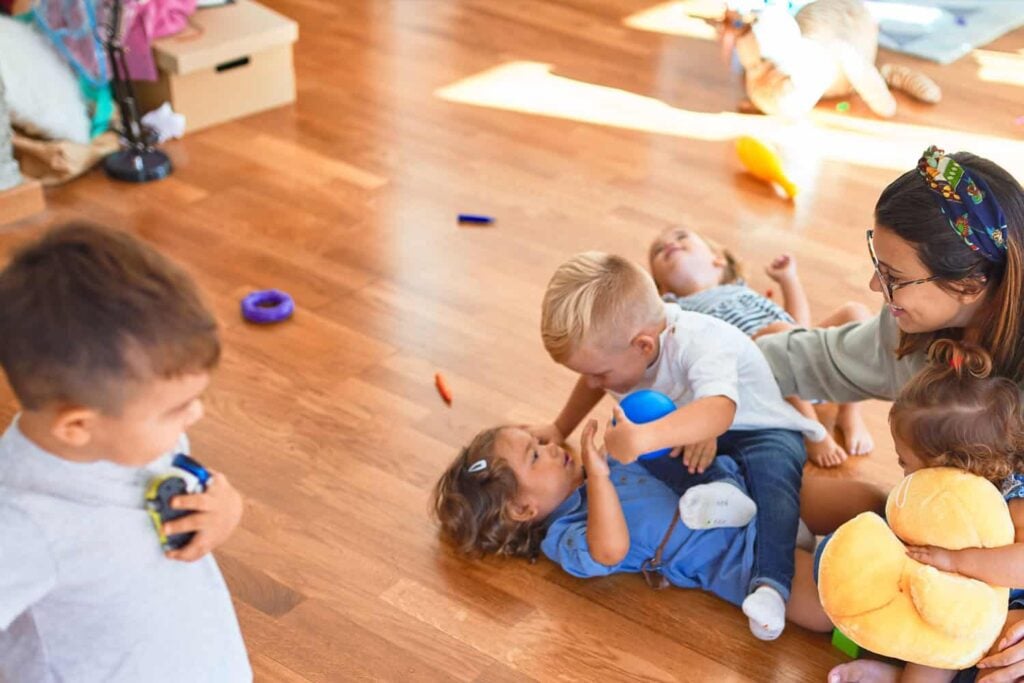
Oppositional Defiant Disorder is a behavioural disorder that results in negative and hostile behaviour from a child.
This article explains:
The signs or what to look for when identifying Oppositional Defiant DisorderWays to help a child with the disorder
The disorder is becoming more common and boys are thought to be more likely to be

Help spread this vital ECE information, join our free social and email groups and become a member of OECE.

Sign up to our free newsletters.