Policies and Procedures

Search in Service Provider
This category can only be viewed by members.
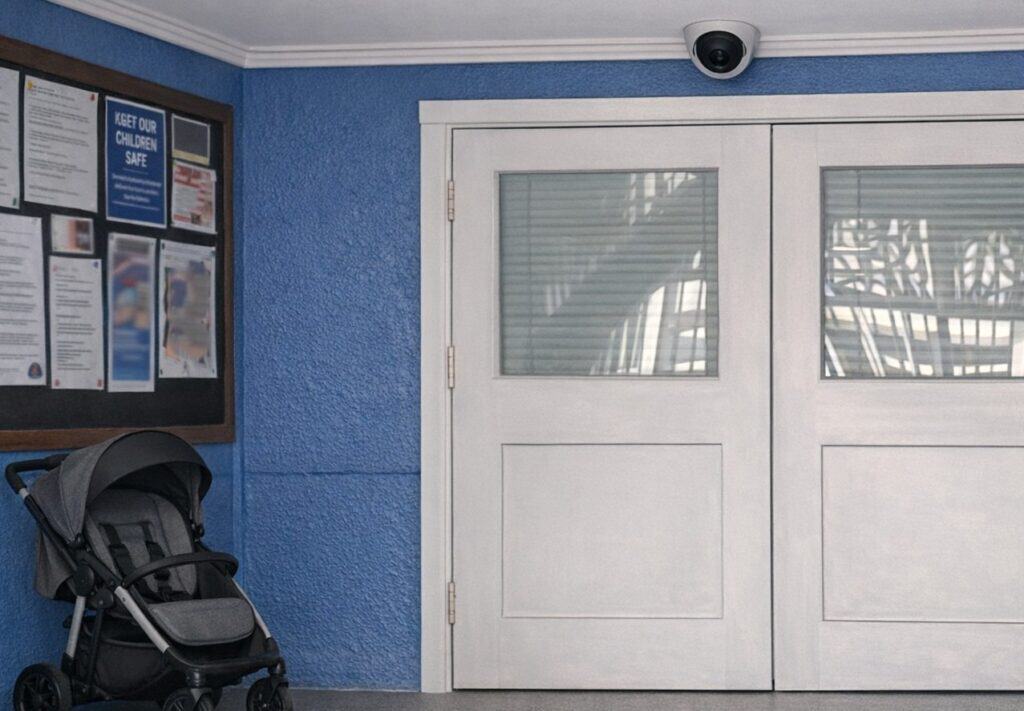
cctv policy for early childhood education services

CCTV and Security Camera Policy

The Office of ECE provides this CCTV policy template and guidance to help services using indoor or outdoor security cameras meet their legal obligations under the Privacy Act, the Children’s Act, and other key legislation.

With camera use under increasing scrutiny, every service that operates CCTV in areas where children or staff may be present needs clear, transparent procedures to ensure lawful, ethical, and defensible practice. Gaps in your policy can put your service and the trust of families, at risk.

Log in with your member details to access the full guidance and template. If your service’s membership has lapsed or you’d like to join, get in touch and we’ll help you get set up quickly.

Home‑based providers may also use this template to develop a policy for educators who have security cameras operating in their family homes.

Read More »
Male teacher and small group interaction with children mixed ethnicity

Child Protection Policy

Updated April 2026 with the latest regulatory requirements.

A strong child protection policy isn’t just about meeting licensing standards – it’s a core safeguard for children, your team, and the trust families place in your service.

With new 2026 updates now in force, it’s essential your policy reflects current expectations and best practice.

Log in with your member details to read the full guidance. If your service’s membership has lapsed or you’d like to join, get in touch and we’ll help you get set up quickly.

On this page, we break down the latest regulatory changes, provide the most effective template to use, and share practical insights to help your service demonstrate a genuine, proactive commitment to child protection.

Login to read more

This is a member/subscriber only post. To access it, please see the message below for details on access and joining.

Read More »
child privacy hide

Privacy Policy

Updated April 2026 with the latest guidance from the Office of the Privacy Commissioner and the ECE regulator.

Privacy requirements have tightened, and every early childhood service must now ensure its policies fully meet the Privacy Act 2020. Out‑of‑date or incomplete policies can put your service at risk – and undermine the trust families place in you.

To help you stay compliant, this page includes a ready‑to‑use sample policy template you can adapt for your service, along with practical guidance on what must be included under the latest 2026 expectations.

Log in with your member details to access the full content. If your service’s membership has lapsed or you’d like to join, get in touch and we’ll help you get set up quickly.

Early childhood services must meet the requirements of the Privacy Act 2020. Understanding and implementing the Act’s requirements allow services to protect and respect the privacy of children, their family whānau, and staff.

This is a member/subscriber only post. To access it, please see the message below for details on access and joining.

Read More »
unwell children can make other children sick

Illness and Infectious Diseases Policy and Procedure

Updated April 2026 to include the latest requirements.

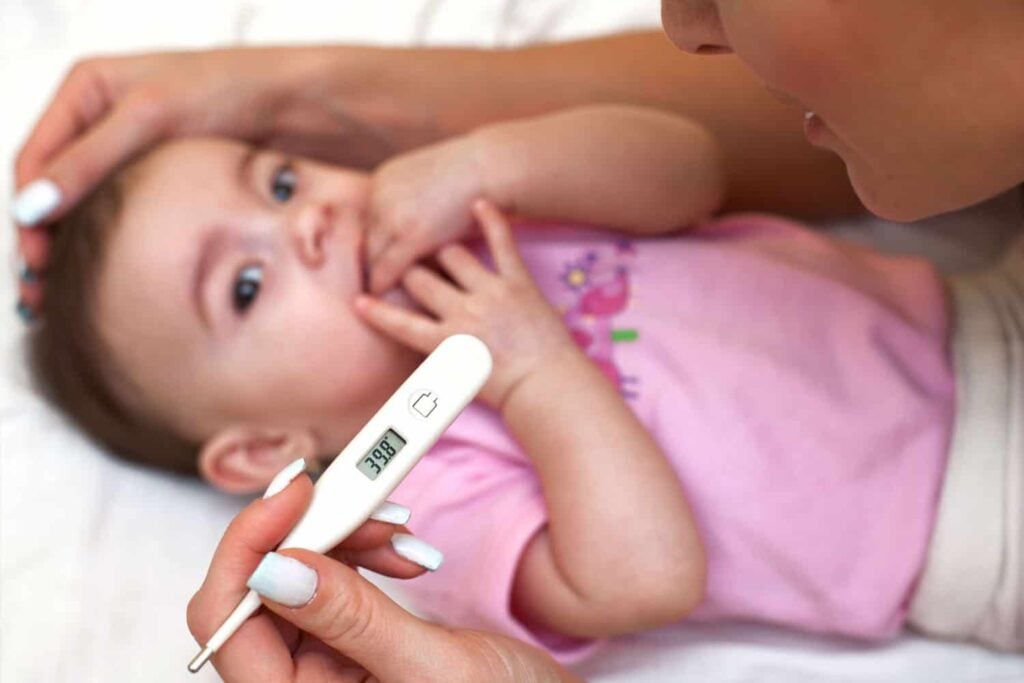
Illness and infectious‑disease management is under closer scrutiny than ever, and every ECE service must have a policy that reflects current regulations and best practice. A weak or outdated policy can put children at risk, expose staff to preventable illness, and leave your service vulnerable during a licensing inspection, ERO review, or complaint.

This article shows you how to write a strong, compliant illness and infectious diseases policy for your centre or home‑based service – and provides a practical template you can use to update your current procedures immediately.

Log in with your member details to access the full guidance and template. If your service’s membership has lapsed or you’d like to join, get in touch and we’ll help you get set up quickly.

Centres and home‑based services play a vital role in safeguarding children’s health. Clear, well‑informed procedures are essential for preventing exposure to infectious illnesses and reducing the risk of outbreaks.

This is a member/subscriber only post. To access it, please see the message below for details on access and joining.

Read More »
policy, procedures and policies for early childhood services

How Necessary is it to have Written Policies and what Shortcuts can be taken?

Early childhood service policies on everything are not always needed and are certainly not required.

Managers and early childhood service staff can easily get caught up in a sea of paper-work, that includes writing and reviewing policies in particular if they do not know the following.

Did you know that every service must have a written chi

This is a member/subscriber only post. To access it, please see the message below for details on access and joining.
Read More »
taking notes about early childhood education matters

How to write a policy

How to write a policy on anything or topic for your early childhood service.

What needs to be included in a written policy.

Answers to your questions such as how often you need to review policy.

This is a member/subscriber only post. To access it, please see the message below for details on access and joining.

Read More »
comforting child

Trauma Policy

A policy template for early childhood education services on how they will respond to and manage traumatic incidents, with concern for the impact on staff, children, families, and the operation of the service. 

Traumatic incidents include death, serious injury, abuse, disasters such as earthquakes, intruder and violent incidents, and lockdowns.  

See a news article here about traumatic incidents at ECE services, to learn the nature of various incidents that may occur.

Traumatic incidents may occur at the service or outside of the service, and are witnessed or experienced by one or more children and adults who are part of the service.

1. Title: Trauma Policy

2. Policy statement

This is a member/subscriber only post. To access it, please see the message below for details on access and joining.

Read More »
Early childhood education financial and money matters

Fees Policy

Use and adapt this fees policy and procedures to suit your ECE service. Procedures may cover late payment of fees and debt collection, charging for public holidays, 20 Hours ECE, the WINZ subsidy, late pick-up fee and other charges.

Early childhood services have three main sources of revenue:  parent fees, government subsidies and grants,

This is a member/subscriber only post. To access it, please see the message below for details on access and joining.
Read More »
Teacher with girls in outdoor playground feeding baby doll teacher-led centres

Social and Emotional Competence Policy

Promoting Social and Emotional Competence Policy and Procedures.

Rationale:

This policy and accompanying procedures will help us to ensure our curriculum and teaching practice supports the development of children’s social competence and understanding of appropriate behaviour in our service. 

Regulations and key references:

T

This is a member/subscriber only post. To access it, please see the message below for details on access and joining.

Read More »
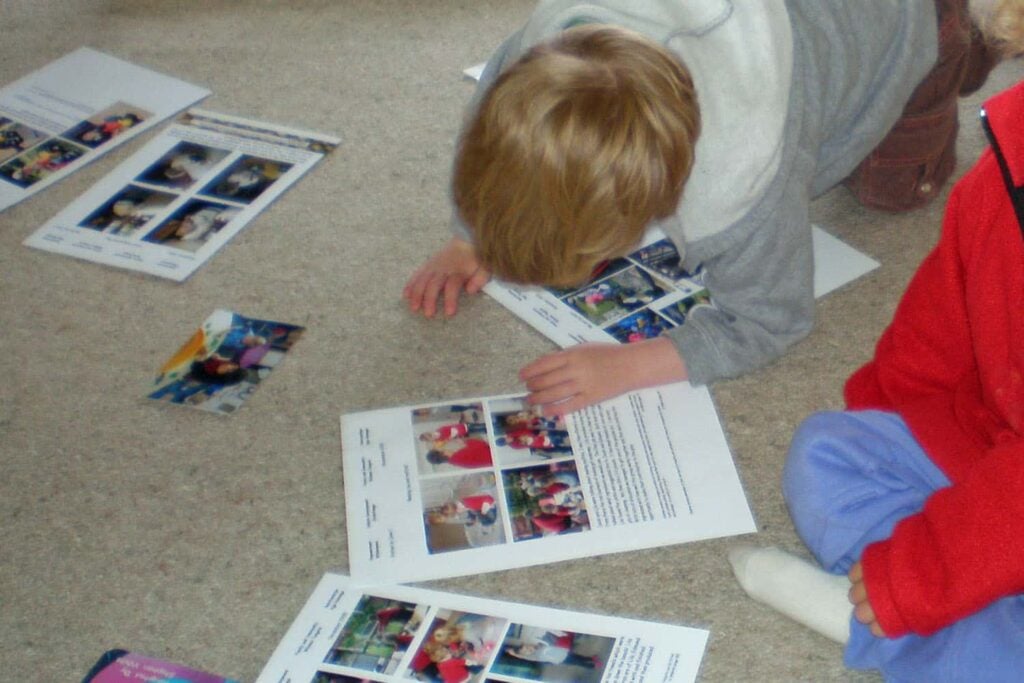
learning stories children looking at their photos

Curriculum Policy

Use and adapt the following curriculum policy to suit your service and meet regulatory requirements.

Your curriculum policy must be consistent with the curriculum framework and be informed by assessment, planning, and evaluation (documented and undocumented) that demonstrates an understanding of children’s learning, their interests, whānau, and life contexts.

As well as providing a curriculum policy template for you, we’ve included the questions the Ministry of Education commonly asks and focuses on when it is checking an ECE service’s curriculum policy and implementation.

RATIONALE:
To ensure the process of planning, evaluating and delivering a localised curriculum is consistent with

This is a member/subscriber only post. To access it, please see the message below for details on access and joining.

Read More »
Right of entry and visitors to an early childhood centre

Right of Entry Policy

Regulations require that certain groups of people, including parents, union staff, and public officials, have a right of entry to the early childhood service under certain conditions, and set out the responsibilities of the early childhood service.

Below is a Right of Entry Policy and a set of procedures for different situations. Adapt and re-w

This is a member/subscriber only post. To access it, please see the message below for details on access and joining.

Read More »
Teacher preparing to talk children for a walk at an early childhood centre.

Collection of Children Policy

Here is a policy and set of procedures for the Collection of Children that you may use and adapt for your early childhood service. Services are responsible for upholding children’s safety at all times. This includes responsibility for ensuring the safety of children leaving the premises.

Reflective questions

Considering reflective questi

This is a member/subscriber only post. To access it, please see the message below for details on access and joining.
Read More »
check boxes tick survey promises views planning

Emergency Management Policy, Procedures, and Supplies

Here is a sample emergency management policy template, covering different emergencies such as fire, flooding, terrorist or armed offender, and natural disasters such as earthquakes, volcanic activity, and tsunamis. 

We also show you what you might put in a sample emergency plan, emergency procedures (including drills), and an emergency sup

This is a member/subscriber only post. To access it, please see the message below for details on access and joining.

Read More »
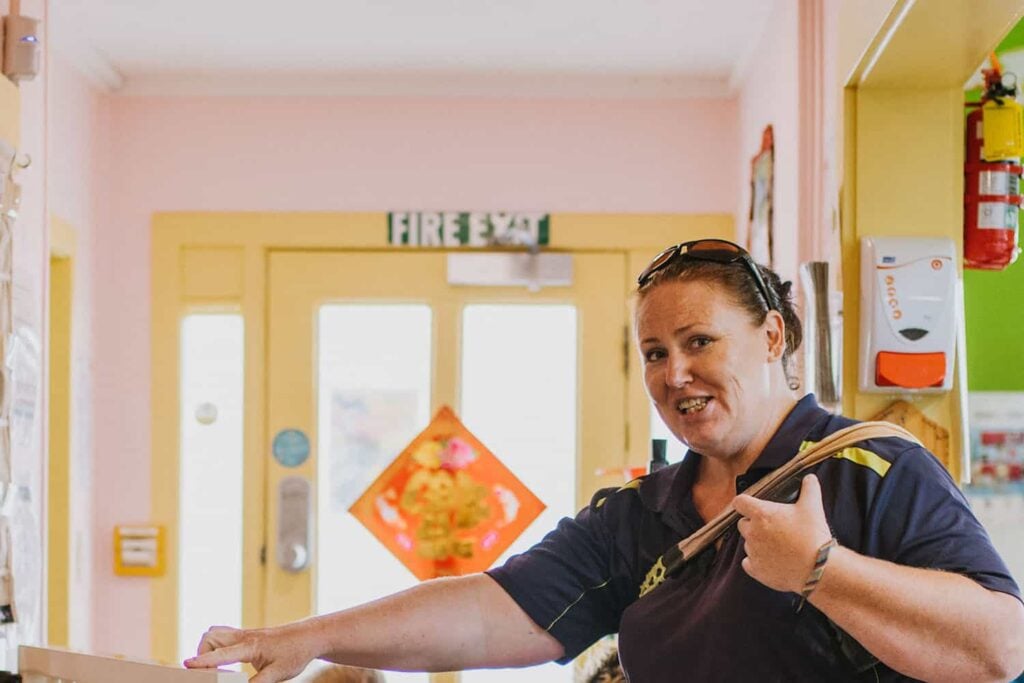
complaint feedback form, complaints policy, upset

Raising Concerns – Complaints Policy

Does your early childhood service have a well-written, well thought-out complaints policy? Getting it right is essential to support people to raise their concerns and avoid situations escalating and further problems.

Waiho i te toipoto, kaua i te toiroa.  Let us keep close together, not far apart

Regulatory requirements and Te Whāriki

This is a member/subscriber only post. To access it, please see the message below for details on access and joining.
Read More »
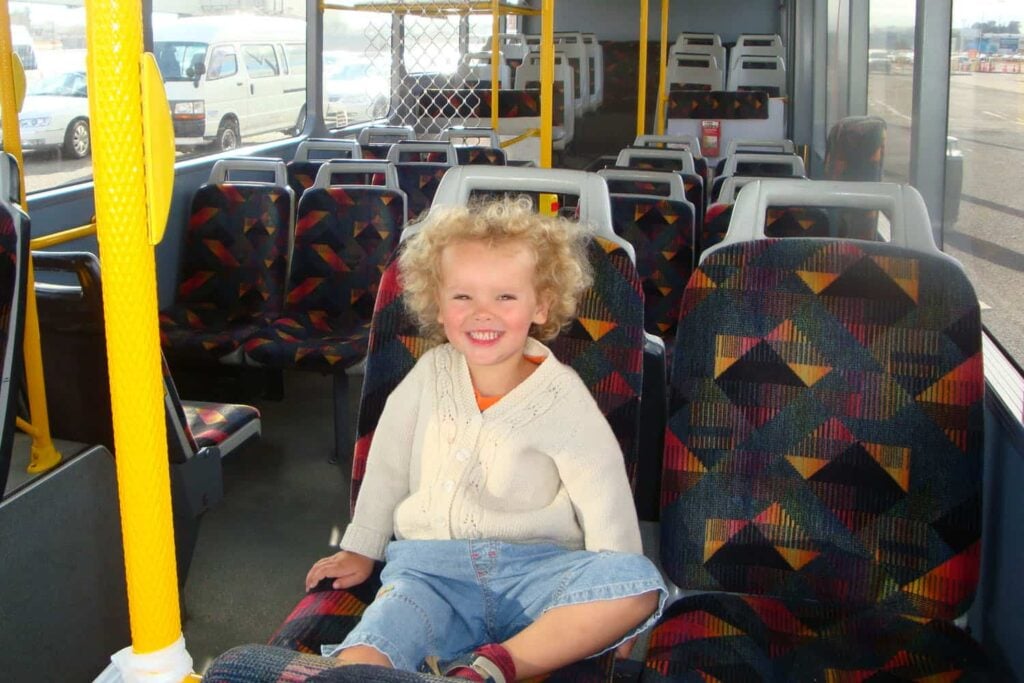
bus trip outing

Excursions Policy and Procedures

Policy and procedures for excursions and outings.

An excursion is when children are taken outside the licensed premises as part of the learning and teaching programme while attending the service. It does not include an outing for emergency evacuations, drills, or to receive urgent medical attention (we provide a separate policy template for leaving the premises for these reasons).

RATIONALE:
In the rationale section of your written policy some things you may wish to include are:

This is a member/subscriber only post. To access it, please see the message below for details on access and joining.

Read More »
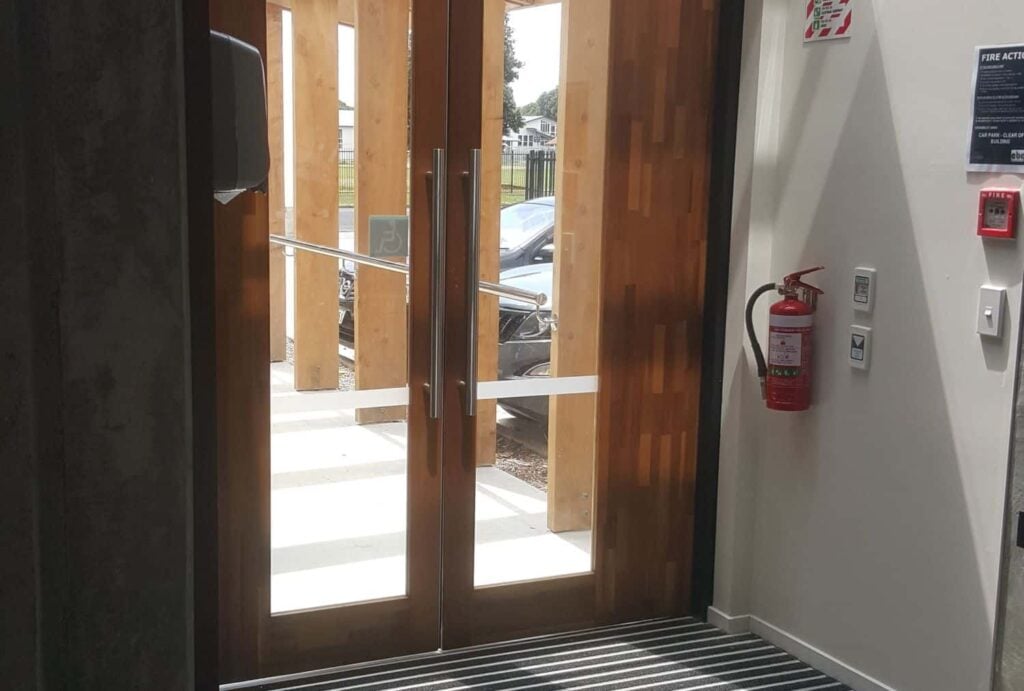
lockdown front doors early childhood centre

Lockdown Policy and Procedures

ECE Service Lockdown Policy Template and Procedures.

The terror incident in Christchurch in March 2019 prompted many ECE services to review their lockdown procedures, leaving us questioning whether we are well-prepared for situations where we may need to go into lockdown. 

Some services in Christchurch found themselves unprepared, part

This is a member/subscriber only post. To access it, please see the message below for details on access and joining.

Read More »

Losing a Child or Preventing Children Escaping Policy

Prevent Child Escapes.

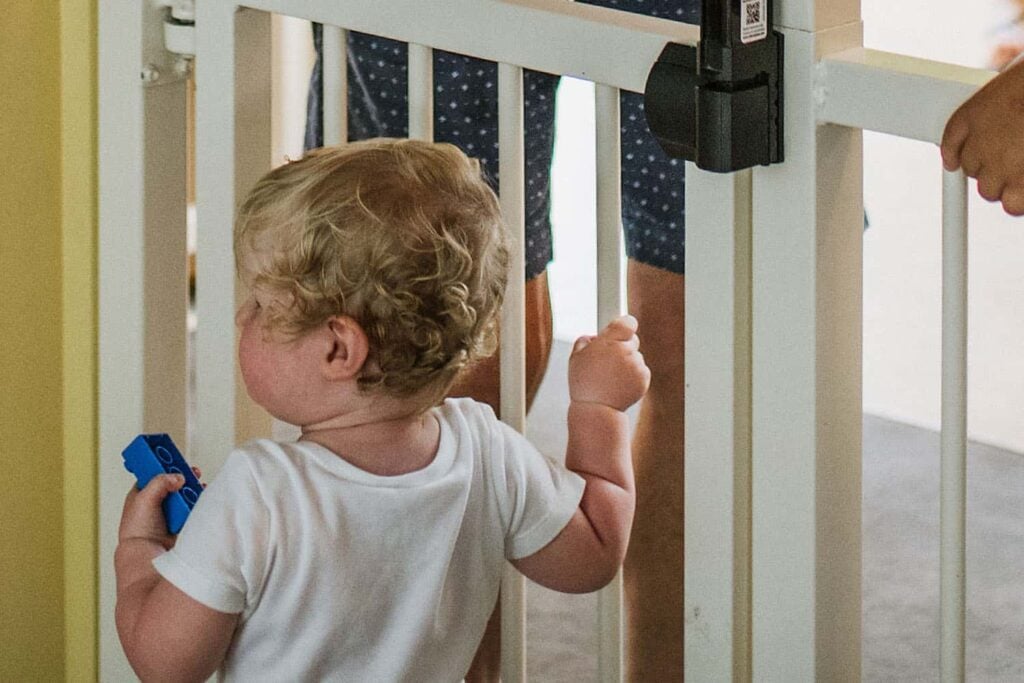
Having a child slip out of a gate un-noticed or being sent home with the wrong person is something that everyone would dread.

It is expected that children are safe in their ECE environment and cared for at all times.

So in terms of developing policy and involving parents and others to play their part in ensuring th

This is a member/subscriber only post. To access it, please see the message below for details on access and joining.
Read More »
parent collecting child from preschool

Separated Parents – Policy on Who Child Can Leave With and Disclosure of Information about a Child

Separated Parents.

It can be tricky being caught between parents, new partners of parents, and lawyers and it’s never easy trying to determine what information if any you can and should share and where the line is between privacy rights and responsibilities and duties as a parent.

This article discusses key issues that have a

This is a member/subscriber only post. To access it, please see the message below for details on access and joining.
Read More »
sun protection and children with sunhats engaged in waterplay in home-based ECE

Sun Protection Policy

Early childhood service sun protection policy and guidance.

A few years ago I was a head teacher in a kindergarten. We prided ourselves on not allowing children outside without hats and sun screen. We deliberately created areas in the grounds that were shaded. One very hot February day we had a sprinkler out and the children had a wonderful

This is a member/subscriber only post. To access it, please see the message below for details on access and joining.
Read More »
Early Childhood Education Staff Survey. Manager and teacher planning at an early childhood centre service.

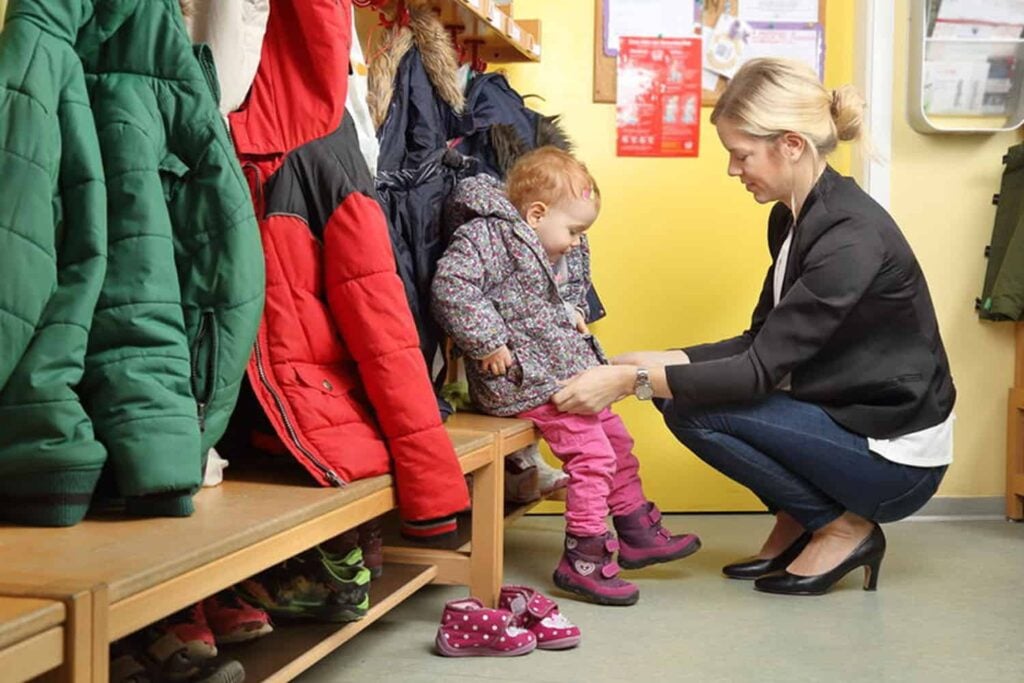
Social Media Policy

Social Media Policy.

How social media is used can have a significant influence on the reputation of an early childhood service and the safety of participants.

Social media technologies if used appropriately can become an excellent way to broaden and increase opportunities for communication as well as being a powerful marketing tool.  

This is a member/subscriber only post. To access it, please see the message below for details on access and joining.
Read More »

The Office of ECE Login

Take Action!

Help spread this vital ECE information, join our free social and email groups and become a member of OECE.

pay parity funding policy

1. Share This Information

2. Follow Our Social Pages

3. Get Regular Updates

Sign up to our free newsletters.

4. Become a Member

Member Categories
Research