
Different Ways to Write a Learning Story

Search in Teacher
learning stories children looking at their photos

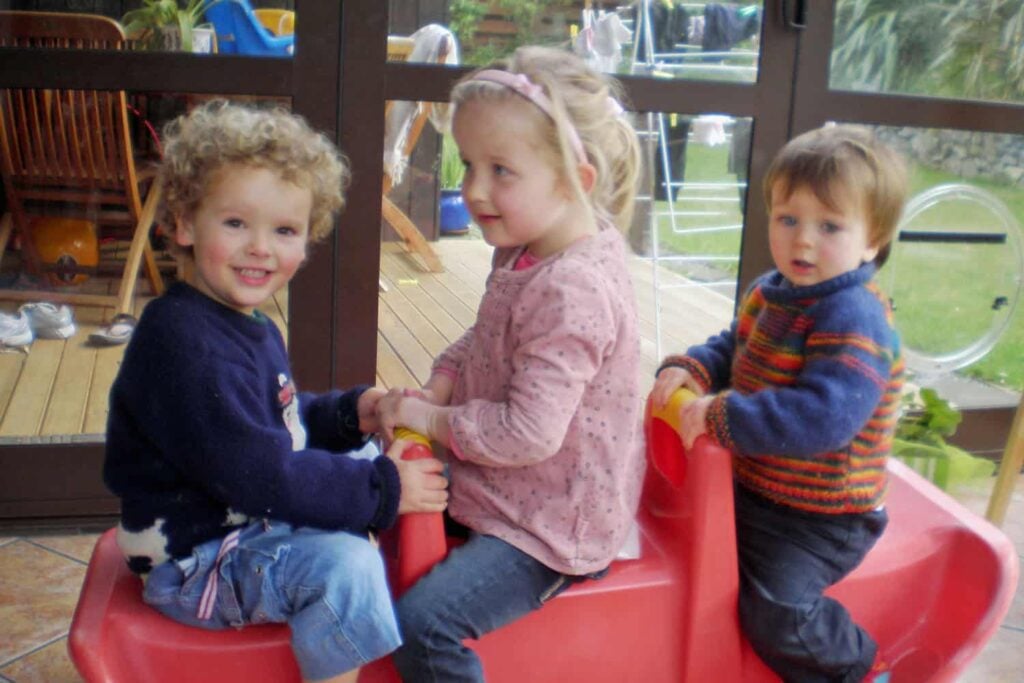
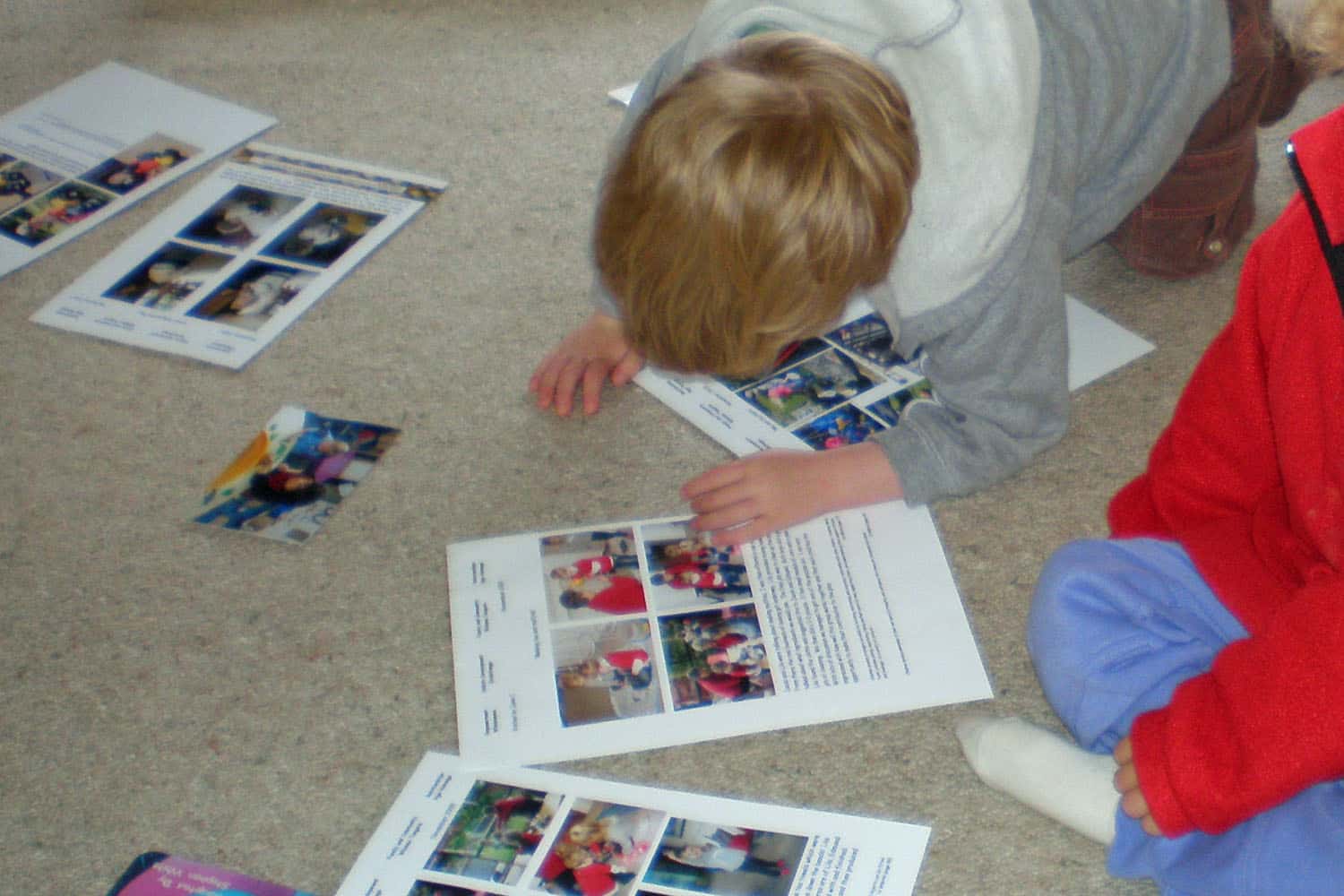
Learning stories remain the most commonly used assessment approach, yet the way they are written can differ widely between settings. Even though teachers and home‑based educators understand the general purpose of learning stories, many still wonder what the best practice looks like and how to do them well.

This is a member/subscriber only post. To access it, please see the message below for details on access and joining.
Already a Teacher Member?

Are you teaching and caring for children or studying for an ECE qualification?

If you are, that’s great!   Join us now, and become a teacher member.

Five Reasons to Join Us
1. Professional recognition

It is prestigious to belong to the OECE – you can skite about it! 

Ask us for an OECE Member Certificate, to include in your professional portfolio as proof you are engaged in reading and professional learning that advances your understanding of the relationship between practice and outcomes for children.

2. Extra benefits

No need to pay a subscription fee for access to NZ’s specialist ECE Newsroom – your member login will let you view everything in the ECE Newsroom. 

No need to pay to access the best NZ and international research – your member login gives you free access to the Research Library and support. 

3. Professional growth and no-judgement help

Teaching resources and advice on probably everything you can think of, including what to wear as a teacher, how to ask for a pay raise, identifying child behaviour causes and responding to needs, new play activity ideas, etc., etc.  all of this is at your finger-tips 24/7 whenever you need help or advice – login to view. 

4. Representation

Did you know that the OECE meets personally and regularly with the Ministry of Education national team, and the regulations committee and other forums? 

Political leaders and journalists are able to use the OECE to gain deeper knowledge on a topic or issue, and we provide a sounding board for ideas and feedback.

The OECE promotes safe working environments for teachers.  We also promote the absolute need for full pay parity with school teachers for all certificated teaching staff working in teacher-led centres and in home-based, and whether permanently or casually employed. 

5. Value for Money

We are committed to keeping membership prices affordable and providing value for money. 

Teacher membership is just $89 for a full year, or save by joining for 2 years.

Has this been useful?  Give us your feedback.

You are welcome to add a link to this page on your website. Copyright belongs to the OECE so please do not copy any content without our written permission.

Information provided is of a general nature. It is provided ‘as is’, and we accept no liability for its accuracy or completeness. See our Terms and Conditions.

Related Posts

closed early childhood centre

87 Services Closed and 50 Opened in 2024

ANALYSIS

1644 early childhood spaces gone in 2024, as 87 services closed and just 50 ones opened,

Nationally, Aotearoa lost 1644 early childhood education (ECE) spaces in 2024, as a result of 37 more services closing than opening.

Spaces in education and care centres and spaces for over-2s overall were not changed significantly from the year before. It was

Read More »
Teacher with girls in outdoor playground feeding baby doll teacher-led centres

Sick Leave: Key Rights and Rules for Teachers and Staff

Learn your paid sick leave rights – and what every person who works in early childhood settings needs to know to protect themselves, their income, and the children they care for.

People working in early childhood education get sick more often than those in many other professions. Close contact with young children, shared resources, and constant exposure to new bugs means illness spreads quickly. That’s why understanding your sick leave entitlements isn’t optional – it’s essential for your wellbeing and your job security.

If you’re applying for a role in an ECE centre, home‑based service, kindergarten, playcentre, or hospital‑based setting, one of the most important questions you can ask is:

“What sick leave do you provide?”

This article explains exactly what you’re entitled to, how sick leave works in real ECE settings, and what to do if you feel pressured to work while unwell.

Log in with your member details to read the full guidance. If your membership has lapsed or you’d like to join, get in touch and we’ll help you get set up quickly.

Why Staying Home When You’re Sick Matters

When you’re unwell, it can be tempting to “push through” and go to work. But in ECE, that can cause more harm than good.

Read More »
school bags

Child Numbers and Group Size Survey

The survey examined public and sector reactions to a proposed regulation change allowing early childhood centres to increase their licence size dramatically. Respondents warned that such large group environments would undermine quality, heighten risks to children’s wellbeing, and disadvantage those already most vulnerable.

Read More »
children's wooden block tower

The Risks of Implicitly Endorsing Third Party Schemes to Parents

Endorsing Third Party Schemes and Products.

What happens when parents see flyers / pamphlets and posters displayed in the entrance way of ECE services or when advertising material is sent home in children’s bags?  

These might be from the Ministry of Education to promote the choices that it wants parents to make, or a new government scheme

This is a member/subscriber only post. To access it, please see the message below for details on access and joining.

Read More »

Share This Information

Table of Contents

Table of Contents

The Office of ECE Login

Take Action!

Help spread this vital ECE information, join our free social and email groups and become a member of OECE.

pay parity funding policy

1. Share This Information

2. Follow Our Social Pages

3. Get Regular Updates

Sign up to our free newsletters.

4. Become a Member