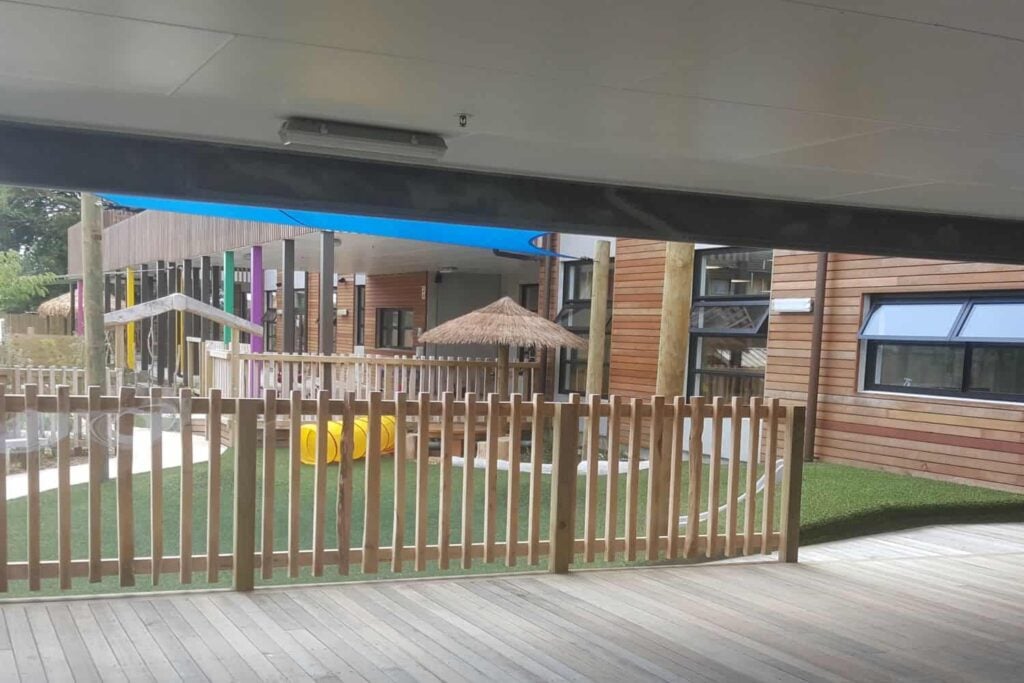
Premises, Facilities, Layout, & Outdoor Environment Features

Search in Service Provider
This category can only be viewed by members.
Why a toilet suitable for adults to use is necessary in early childhood centre

Adult Toilet and Staff Bathroom

OECE staff writer

There are many good reasons for having a toilet specifically for adults that is suitable for adults to use.

Sometimes staff need to use the toilet within a confined space of time, for example, while on a ten minute break or a parent needs to rush in and use the toilet when dropping off or picking-up their child. 

There may be lots of toilets but most may be more suitable for children’s use – smaller, lower to the ground and often in stalls of small size, for safety purposes. Small toilets in small spaces cannot accommodate the much larger size of adults.

Read More »
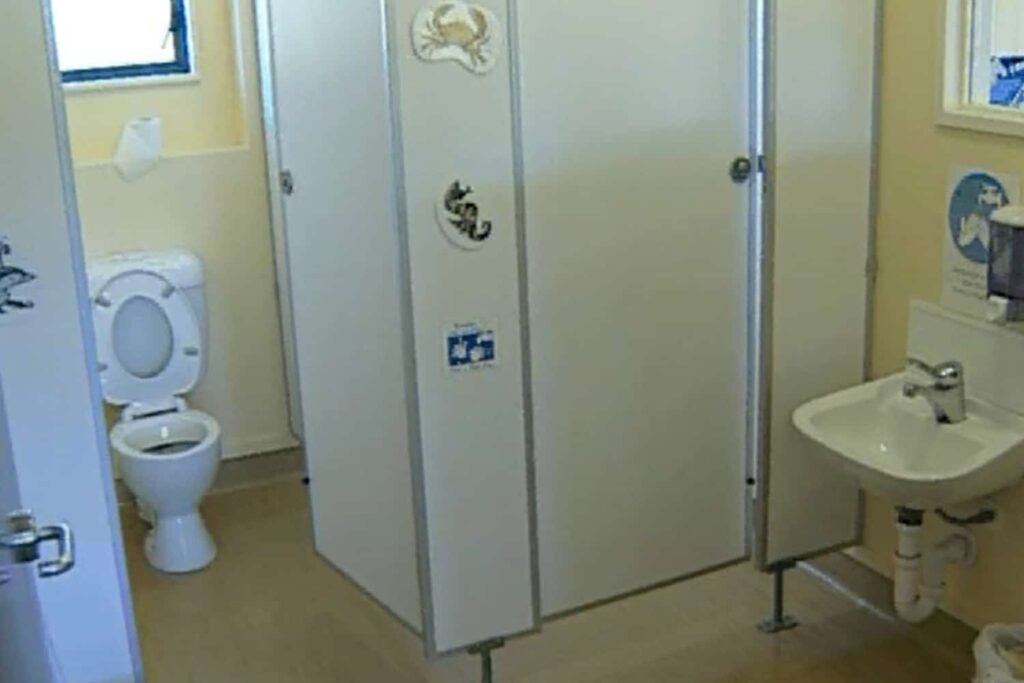
children's toilet bathroom door

Children’s Toilets and Bathroom

Toilets are a basic thing to most of us, a place where we go to undertake an everyday task, a place that should be pleasant but possibly do not give too much thought to.

However, one thing everyone generally does like when using the toilet is privacy.

In early childhood settings, balancing privacy with the need to be able to help young children with toileting and the concept of supervision can be difficult.

Research
It could be assumed that pre-schoolers do not really mind what the layout of the toilets is, what they look like, and whether their toilets have doors or not. But research suggests children do mind.

This is a member/subscriber only post. To access it, please see the message below for details on access and joining.

Read More »
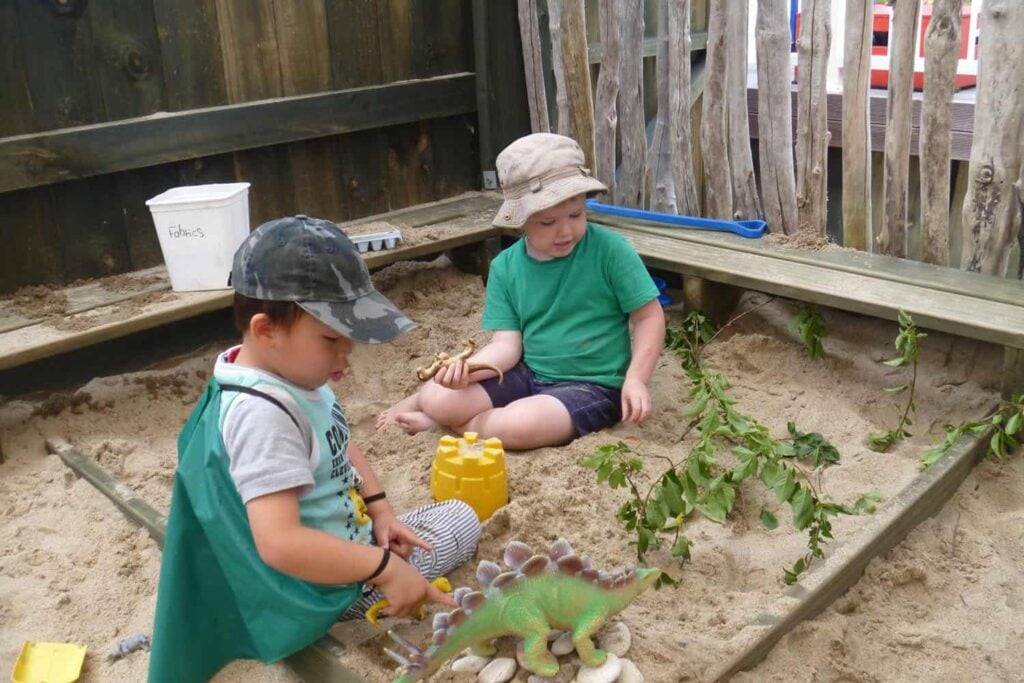
sand play

Sandpit Design

A good sandpit design for an ECE service sees it being large enough to accommodate half or more of the children attending. It should provide enough room for each child to stand or sit and dig without touching or getting sand on another child. 

In home-based settings, the sandpit design should make sure it is of sufficient size to accommodate

This is a member/subscriber only post. To access it, please see the message below for details on access and joining.

Read More »
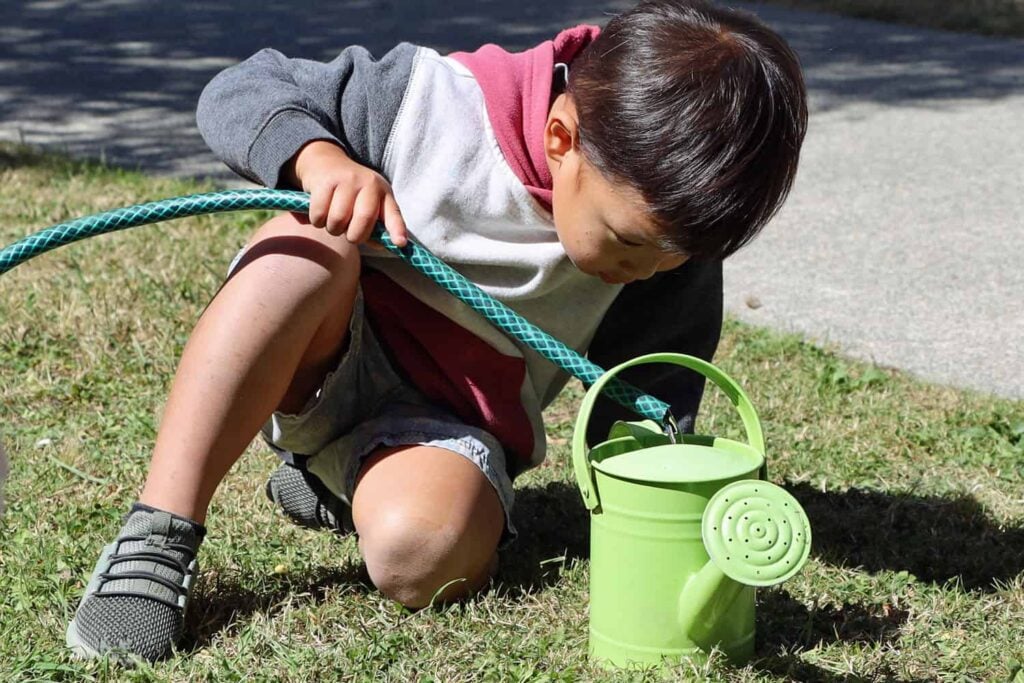
child filling watering can using hose

Astroturf, Artificial Grass or Real Grass?

There will always be differing opinion about whether artificial turf or natural grass is the better option for an early childhood service to have.

There are ways to make both work; the ultimate goal, regardless of the choice made, is to ensure that children are provided with a safe and stimulating environment which encourages growth and develop

This is a member/subscriber only post. To access it, please see the message below for details on access and joining.

Read More »
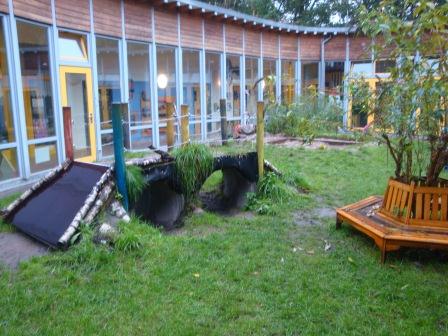
outdoors

Indoor-Outdoor Spaces and Room Layout

Early Childhood Centre Design Ideas.

We show, with photographs, a different design and approach to using space for supporting small group and project work. The design comes from a bilingual kindergarten, called a ‘Kita’ in Hamburg, Germany.  

The photographs were taken, by Sarah Alexander, during a guided tour of the facility for

This is a member/subscriber only post. To access it, please see the message below for details on access and joining.

Read More »
shade covers veranda deck

Shade and Outdoor Planning for Sun Protection

Below are tips and recommendations for creating and maintaining effective and acceptable shade in outdoor play areas. This is important in conjunction with other methods for protecting children’s skin and eyes from the harmful effects of the sun over summer.

Attention is drawn here to different problems such as tree branches breaking and falli

This is a member/subscriber only post. To access it, please see the message below for details on access and joining.

Read More »
toddler enjoys softness of grass for physical movement at early childhood centre NZ.

Optimal Outdoor Environments

By Cheryl Greenfield.

Young children have the right to inhabit optimal early childhood outdoor environments.

Optimal outdoor environments have the potential or power to promote and sustain meaningful relationships.

The location of spaces and equipment, and how welcoming the outdoor area is for adults, along with the aesthetics are highly influential on what children do. Poorly designed and maintained environments can be detrimental to children’s development.

This article focuses on the characteristics of optimal outdoor environments within a New Zealand context.

It is based on the findings of the qualitative research I have done over the years on early childhood outdoor environments.

This is a member/subscriber only post. To access it, please see the message below for details on access and joining.

Read More »

You are not logged-in.  Or, you don’t hold an active membership for this particular area.

Check if this membership is relevant to you.

The Office of ECE Login

Take Action!

Help spread this vital ECE information, join our free social and email groups and become a member of OECE.

pay parity funding policy

1. Share This Information

2. Follow Our Social Pages

3. Get Regular Updates

Sign up to our free newsletters.

4. Become a Member

Member Categories
Research