2025 in review: News (and views) on ECE over the past year
Here, we sum up the major stories we’ve covered in

Here, we sum up the major stories we’ve covered in

This submission responds to the Committee’s invitation to provide views

Every morning I would feel overwhelmed by the noise level

Who is Who and Does What in Relation to the
Home » Members Area » All Service Provider Posts » Health and Safety Management

Losing an hour of sleep can be hard on your body clock.
So it’s no surprise that young children can seem particularly grumpy and out of sorts at the start of the daylight saving period.
In Aotearoa, daylight saving begins on the last Sunday of September, when 2am becomes 3am.

Sleep in ECE and Reducing the Risk of (SUDI): Learnings and What’s Legally Required versus Best Practice.
For years, the OECE’s chief advisor Dr Sarah Alexander has feared that a child would die from sudden unexpected death in infancy (SUDI) in an early childhood education (ECE) setting. Now that has happened: An infant died from SUDI while

All early childhood service providers are required under the regulations (Health and Safety Practices criterion) to make sure that:
No person on the premises uses, or is under the influence of, alcohol or any other substance that has a detrimental effect on their functioning or behaviour during the service’s hours of operation.
If you wish

Would you give marbles to a 1-year-old? Is it a breach of regulations or licensing expectations? The answer might surprise you.
You know what a young child is like. They can pick up marbles. They may put a marble/s in their mouth or even their nose. This poses a significant risk to children.
Yet, the action of not putting marbles out of rea

How a child screaming can hurt adult ears
What did you say? I can’t hear you. I’m cuddling a circular saw!
By James Lochead-Macmillan.
Most research into screaming children focuses on the production of the stress hormone Cortisol.
What is significantly less reported is how dangerous that screaming child is to their car

Number of first aid qualified staff and which staff must be first aid qualified in which services
From 26 February 2024, all persons designated the ‘person responsible’ in teacher-led education and care centres, including kindergartens must hold a first aid qualification from a training provider recognised by New Zealand Qualifications Authority

The ECE Safety Checklist – A Daily Hazard and Safety Checklist for Every ECE Service. Checklist items include regulation requirements and reflect learnings from tragic incidents that have happened in ECE.
How to Use the Checklist
This checklist is to assist in conducting and recording the daily inspection.
It is more thorough and detaile

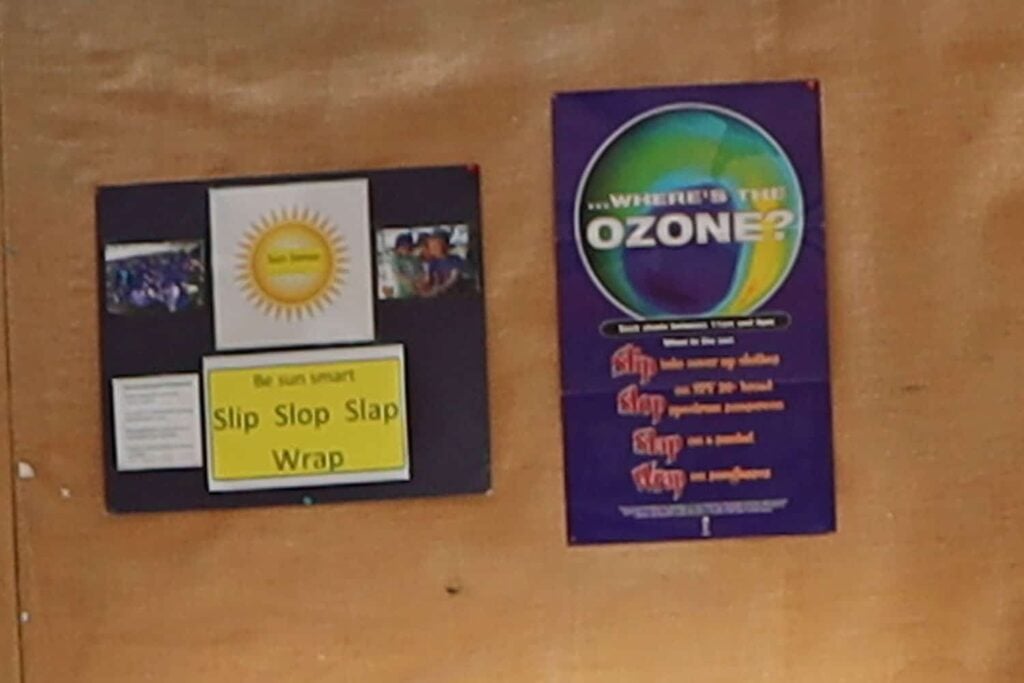
Management of Sun Protection.
Responsibilities to Staff and Staff Responsibilities to Themselves.
Staff must practise recommended sun protection behaviours for their health and wellbeing too. Tell staff that they are never too old, and it’s never too late, to begin to protect themselves from the harmful effects of the sun.
Requirem

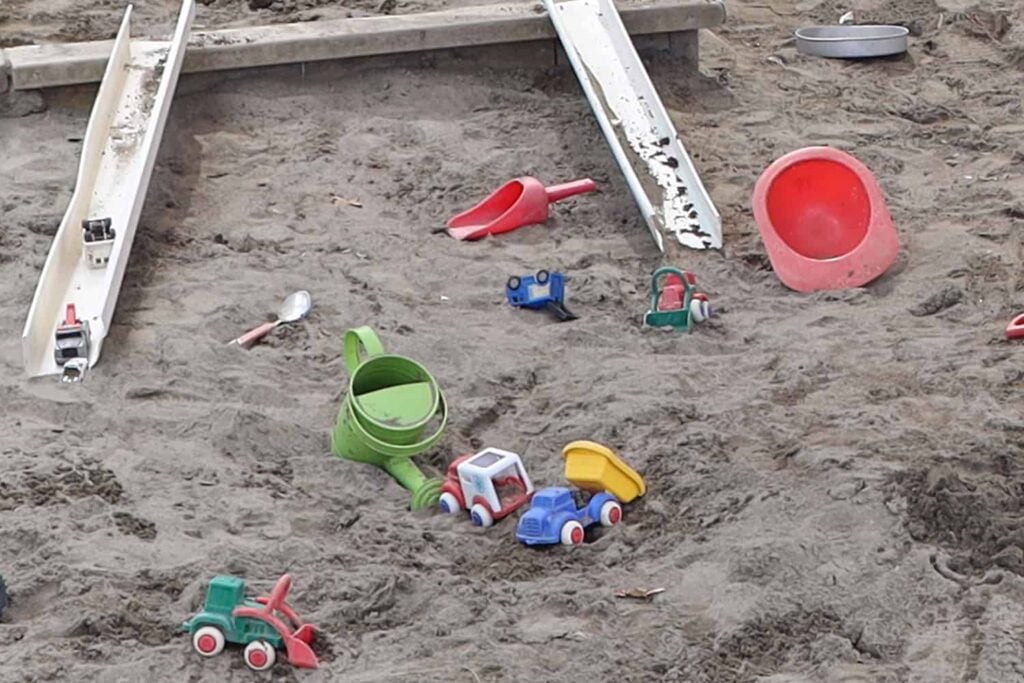
Sandpit safety and hygiene.
There are many potential safety problems and hazards in regard to sandpits.
Sandpit Safety.
Ensure that active supervision of children in the sandpit is provided at all times.
When the wind makes playing in the sandpit uncomfortable and poses a risk to children’s eyes withdraw children to other acti

Immunisation register.
This article covers requirements for proof of immunisation pertaining to vaccinations needed for staff and children. It includes topics of how to keep children safe, record keeping and the ECE service’s responsibility regarding privacy.
Child immunisation register
The purpose for an ECE service asking to sight

Flooding – what to do and what not to do when there is flooding or a threat of flooding.
Be prepared for floods to occur wherever you are located, but particularly if located in a low-lying area, near the coast, rivers and water, or downstream from a dam.
If sustained and hard rain follows a period of drought, flooding can occur as the grou

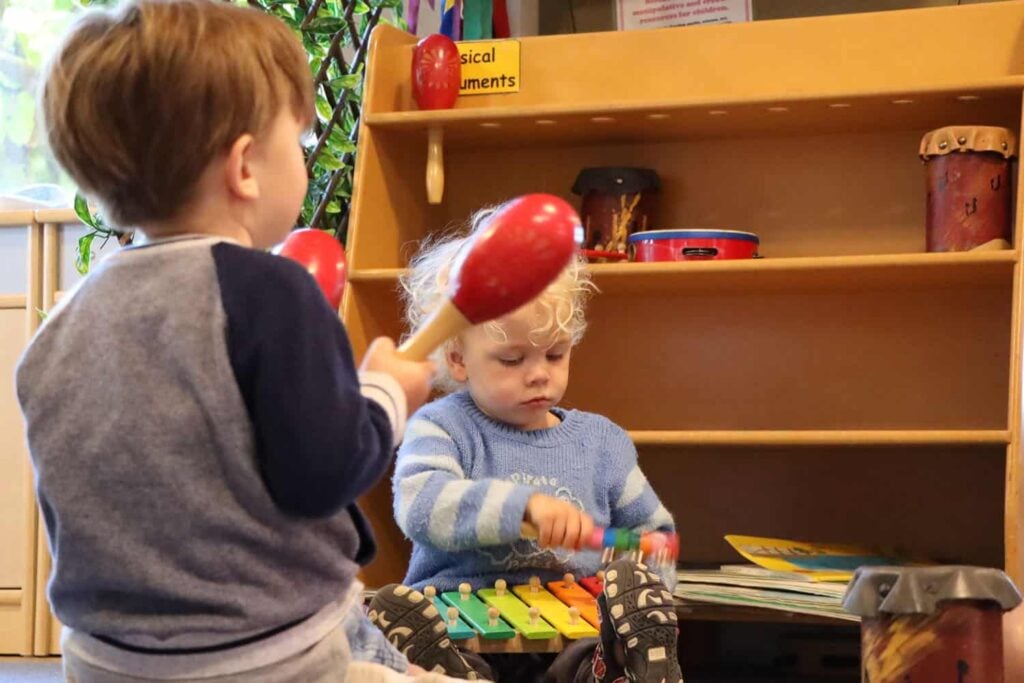
How to Reduce Noise Levels in an Early Childhood Environment.
Ways to assist adults and children reduce noise levels
Practical, low cost, solutions to making building and furniture changes to reduce and prevent noise.

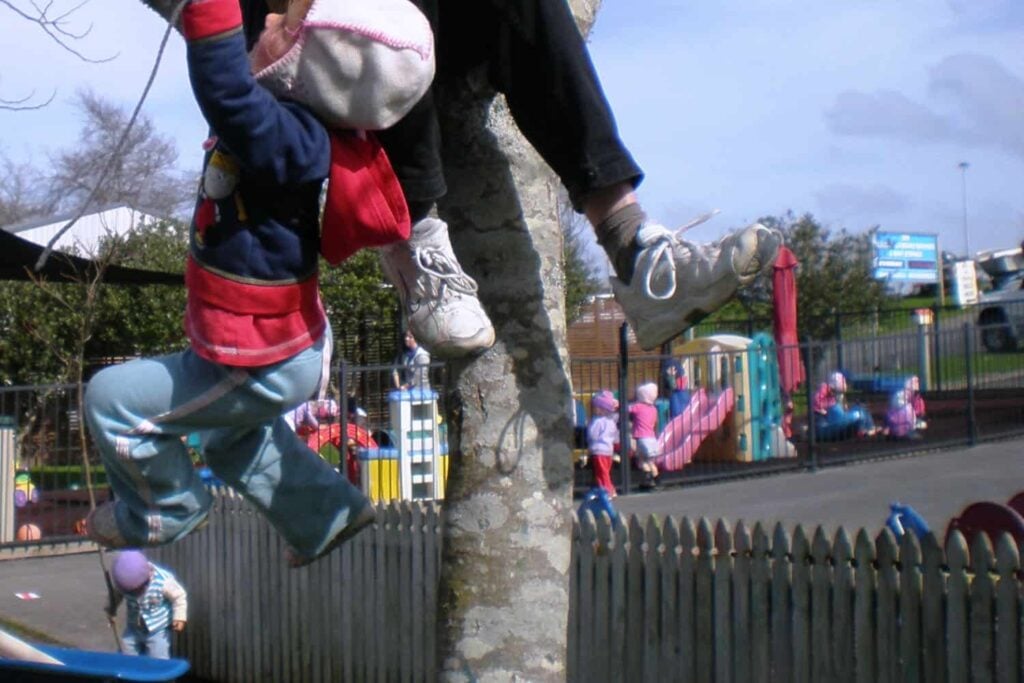
When the Health and Safety at Work Act was brought in concerns were expressed by the education sector. For example, does the Act mean children can’t climb trees in ECE anymore?
Then there’s NZS 5828: Playground Equipment and Surfacing to think about.
Well the good news is that it’s pretty much all good news.
In this article we’ll look at how risk assessment, the HSW Act and NZS 5828 can combine to develop safety approaches that recognise the goal of Te Whariki: To grow up as competent, confident learners and communicators, healthy in mind, body and spirit.

Food Allergy Management.
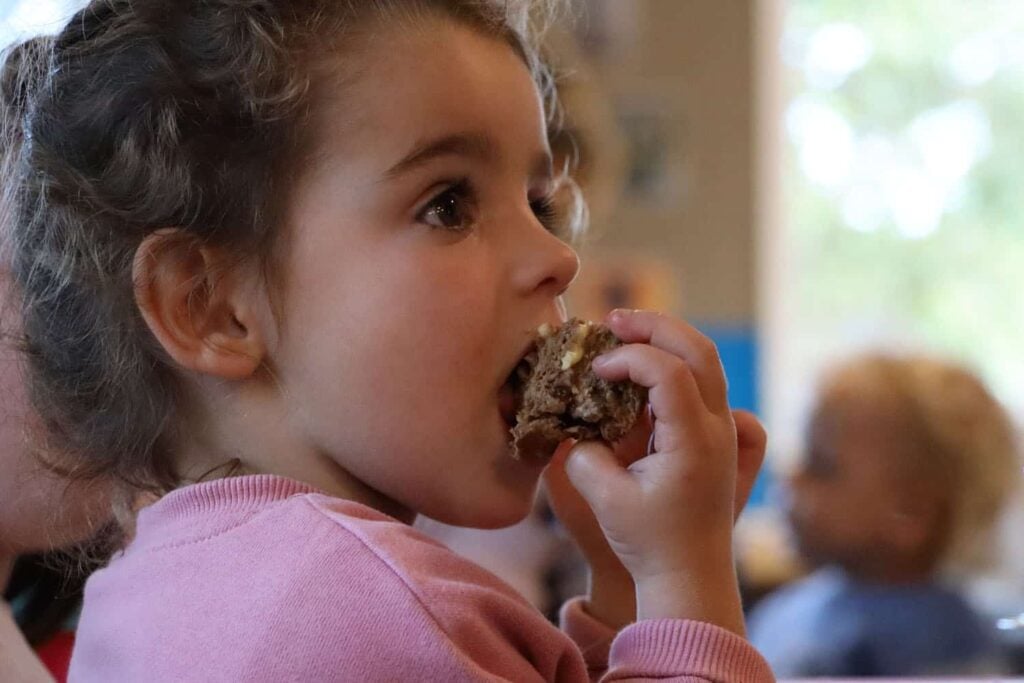
Sharing a sweet treat on your birthday is great fun, but in an early childhood setting it can be more complicated than simply working out how many pieces you need to cut the cake into.
If your centre or home-based service has children who have food allergies or intolerances, what seems like some harmless baking coul

HIV / AIDS Children and Adults At Early Childhood Services.
In May 2012 a Northland Childcare Centre was publicly slammed when it decided to send home an HIV-positive child. The centre was criticised by the AIDS Foundation and the story made the national news over several days. The centre claimed its exclusion of the child was temporary only w

Complying with the Food Act.
All ECE services to whom the Food Act applies must apply for registration (under national programme 2) and be registered before they can provide food to children.
Exempt early childhood services
An early childhood service is not required to operate under the national programme 2 if:
It is a home-based s

ECE Centre Temporary Relocation.
A major earthquake, a fire, or other unplanned event such as gas leak, may mean your early childhood centre building cannot be used.
Parents will continue to need childcare, and you want to continue business but what can you do?
And what arrangements can you make quickly and keep within the law?

This is an easy to read summary and early childhood friendly perspective on the Health and Safety at Work Act. It also points to specific implications for centres, home-based and franchised ECE operations of the new H&S Act.
Expectations
This Act means that ECE owners/directors/managers/senior leaders can’t escape from being accountable

The importance of electrical testing.
Is your early childhood education service compliant for electrical safety? It needs to be:
Failure of electrical wiring or appliances is one of the most common causes of house and building fires – which could be devastating financially for your service, personally for everyone affected, and eve

A power cut – oh no! What do you do? Should you send children home?
If the power goes off again, what can you do to be better prepared?
How can you make the best out of a nuisance situation?
Here are some answers.
When there is no danger to children and adults there is no need to evacuate.
A power cut is not norma
You are not logged-in. Or, you don’t hold an active membership for this particular area.
Check if this membership is relevant to you.
Help spread this vital ECE information, join our free social and email groups and become a member of OECE.
Sign up to our free newsletters.