
Early Childhood Sector Confidence Survey Results 2024
The OECE’s annual confidence survey provides a gauge of the state of New Zealand’s early childhood education (ECE) sector and outlook. Each year 1,000 early

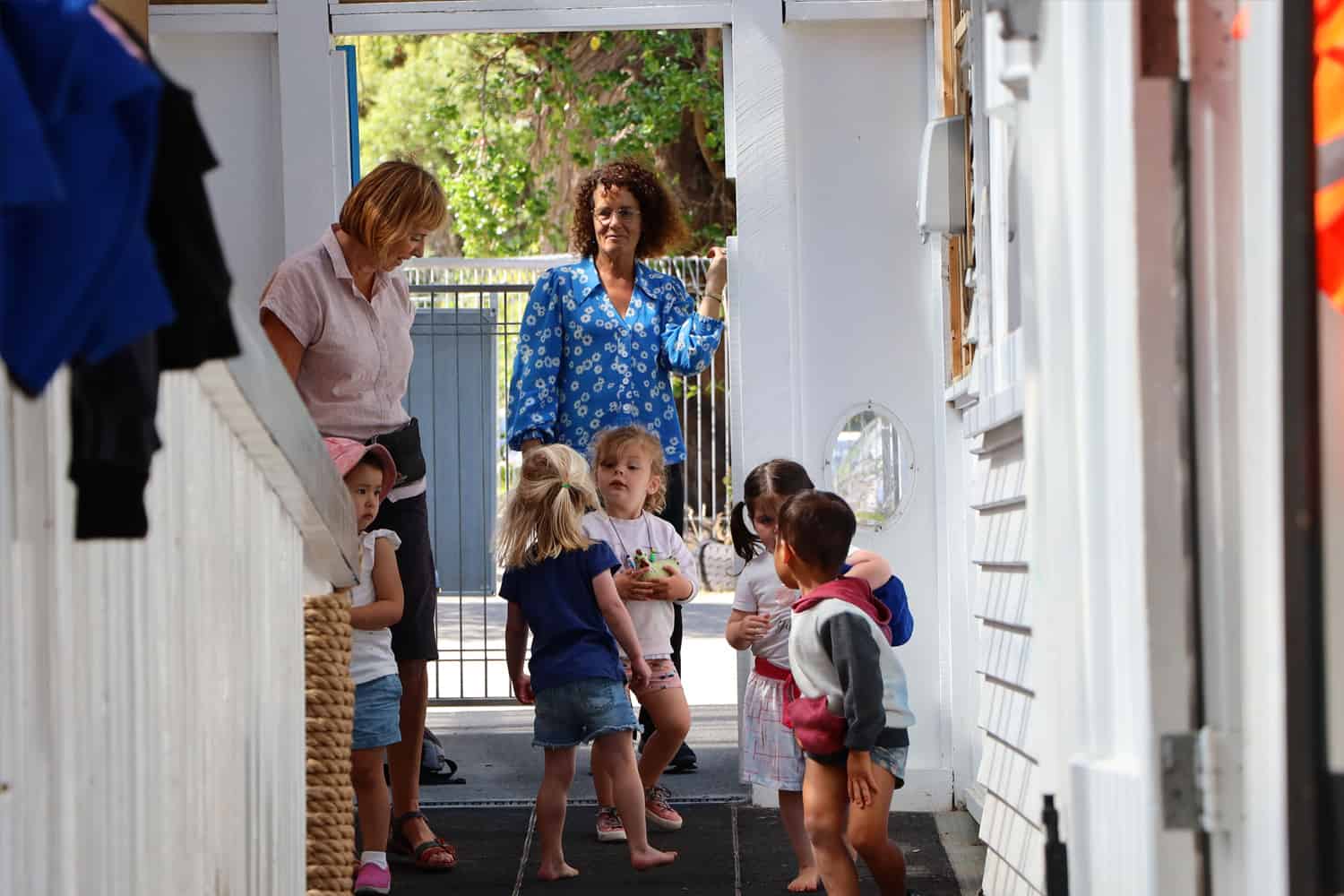
The OECE’s annual confidence survey provides a gauge of the state of New Zealand’s early childhood education (ECE) sector and outlook. Each year 1,000 early

The annual confidence survey provides a gauge of the state of New Zealand’s early childhood education sector and outlook. Each year, 1,000 people in the

Each year, the Office of Early Childhood Education (OECE) surveys confidence in the early childhood education (ECE) sector. The results provide a gauge of the

Results of a survey on the mandatory vaccination of the early childhood education workforce.
The ECE Sector Confidence Survey 2021 shows that confidence in the government has slipped. There seems to be a new wave of despondency through the
Here are the findings on the quality of ECE for children from the perspective of teachers from the 2020 ECE Quality, Safety, and Workforce Survey.

This report on staff pay and teacher retention reports on data taken from the 2020 ECE Quality and Workforce Survey. It answers nine questions: The
Covid-19 Early Childhood Education Sector Views – risks cannot yet be well managed in ECE and distance education is an unsuitable substitute for ECE. Report

ECE Sector Confidence Survey 2019 Report prepared by Dr Sarah Alexander. See also a Stuff article “Teachers just trying to survive“. More than 200,000 babies and

The Confidence and Funding Survey was run to find out: Whether the government is taking early childhood education in the right direction. If things are

Teaching Staff Endorsement of ECE Service Quality. Introduction It goes without saying that the early childhood sector is a major part of NZ’s infrastructure –

This is a report of findings related to workplace safety from the 2014 ECE Quality, Safety, and Workforce Survey. More than 700 people took part

NZEI Te Riu Roa – Who Joins, Their Experiences, and the Benefits of Membership We are the union for early childhood teachers and support staff
Teachers’ Views on Quality in their Early Childhood Service for Children in 2014 OFFICE OF ECEWarwick Marshall and Karen Payne Executive Summary A nationwide survey
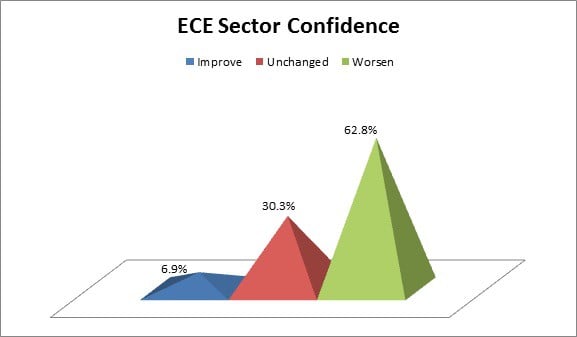
Sector Confidence in the Government and Ratings of its Performance. May 20, 2014. About the Survey. The survey was conducted online over one week in
Early Childhood Education has been something of a hot potato for political parties in recent years with the introduction and subsequent tweaking of the 20


he premise of the initiative is to speak as much te reo as possible.
Depending on your level of fluency this could mean greeting everyone you come into contact with in te reo Māori only, speaking te reo for 2 hours every day or speaking only te reo for the entire month.
The journal is indexed in Scopus and available internationally through Informit, as well as through New Zealand tertiary libraries and many university libraries internationally.
The titles, authors and abstracts for papers published in the NZ International Research in Early Childhood Education Journal, 2026, Volume 28, No. 1 are shown on this page. Click the article link to go to the full published article.
FULL REFERENCE: Füss, M. (2026). The act and art of noticing, wondering, searching for meaning, and remaining open to beauty. NZ International Research in Early Childhood Education Journal, 28(1), 1-5.
ABSTRACT: This commentary explores aesthetic education as a way of being within contemporary early childhood education. Drawing on Maxine Greene’s philosophy of aesthetic education and reflections from Priscilla, an experienced artist-educator, it considers how attentiveness, curiosity, imagination, and creative expression might sustain educators within professional contexts increasingly shaped by standards, accountability, and measurement. Priscilla’s stories illuminate aesthetics not simply as engagement with the Arts, but as an ongoing openness to experience, possibility, relationship, and becoming. The commentary argues that aesthetic education begins with educators themselves: with cultivating the capacity to notice, wonder, search for meaning, and remain open to beauty within everyday life. Rather than calling for dramatic transformation, it invites educators to attend to what may have grown quiet within their own lives and practices.
In doing so, aesthetic education offers a way of reconnecting with the curiosity, expression, and sense of possibility that educators seek to nurture in children.
Log-in to read the full research paper below. Or order a pdf copy of the article from the main NZIRECE Journal page.
KEY WORDS: Arts, aesthetic education, teaching practice, creativity.
INTRODUCTION:
When was the last time you danced? Not for an audience or an event, but simply because the pulsating rhythms welled up within you and compelled you to move. Perhaps it was yesterday. Perhaps you have not truly let loose on a dance floor in years.
Early childhood educators are known for their pedagogical skills in nurturing children’s creativity, imagination, and capacity for expression within their early childhood programmes (Giamminuti, 2013; Karaolis & Little). Through carefully chosen phrases, glances, and expressions, educators can encourage the children in their care to dance as if no one is watching. Yet I wonder, as you read these words, whether you genuinely consider the place of such experiences or expressions in your daily life as professional practice?