You are not logged-in. Or, you don’t hold an active membership for this particular area.
Check if this membership is relevant to you.
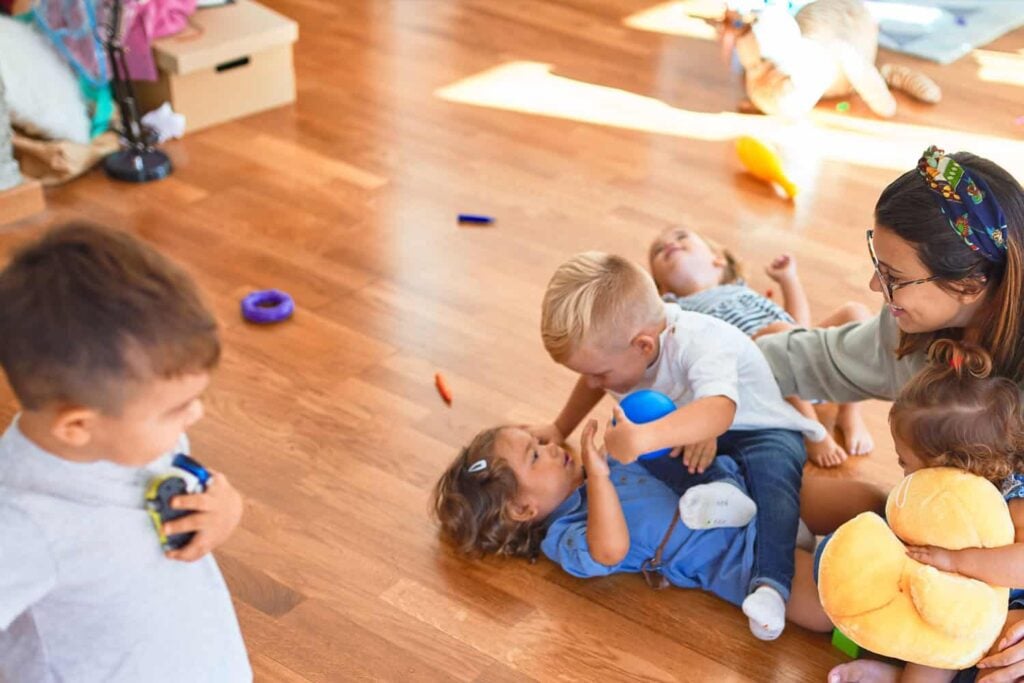
When a Child’s Behaviour Gets Hard to Manage and When Enrolment May be Terminated
Some behaviours can push an ECE service to its limits - disrupting the programme, upsetting other children, and demanding constant one‑to‑one supervision. When this happens,…
Bullying by Children as Young as 2 Years
Bullying by Children as Young as Two. Children bullying another child is not uncommon, and it happens in early childhood centres and homes. Around one…
Giving Children Choices – Strategies for the Best Outcomes
Giving young children choices and empowering them to make their own decisions will help prepare them for life. The early years are the best time…
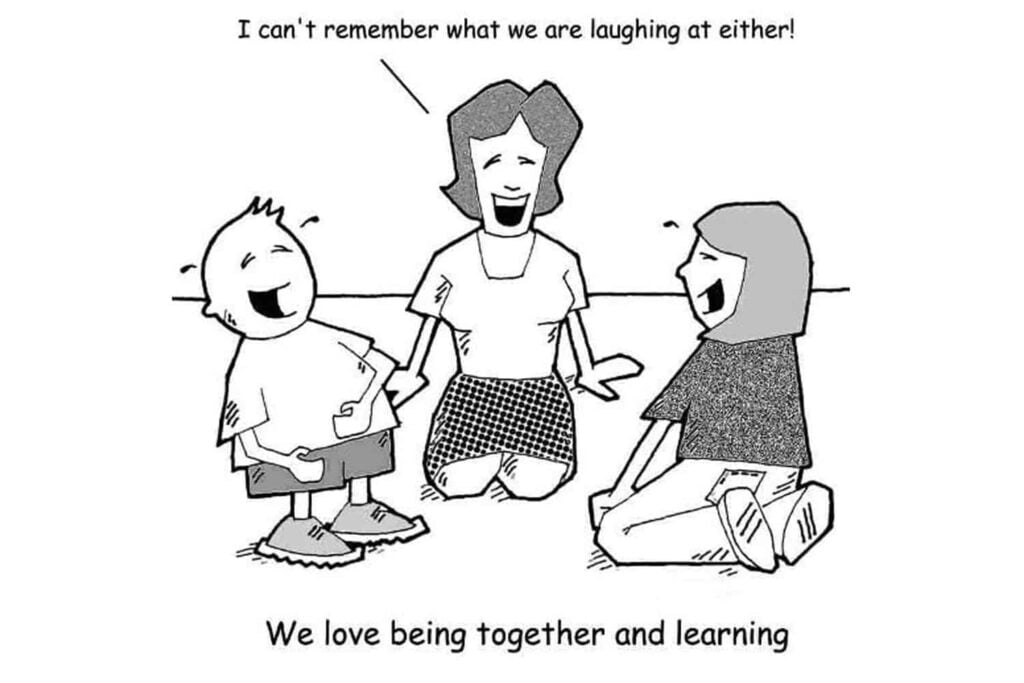
Laughter, Jokes and Having Fun
Fun and laughter in ECE - in our relationships with children and each other. Creating a positive, playful, and happy climate to be in is…
Mindfulness and Relaxation Techniques to Help Children Keep Healthy
Teaching Mindfulness to Young Children. by Anna Whitehead. Mindfulness can be described as the process of being aware. Sensations, thoughts or feelings are simply experienced…

Say Sorry – Asking a Child to Apologise
Ask a Child to Say Sorry. By Warwick Marshall Some early childhood service teachers do not want to ask a child to say sorry. They…
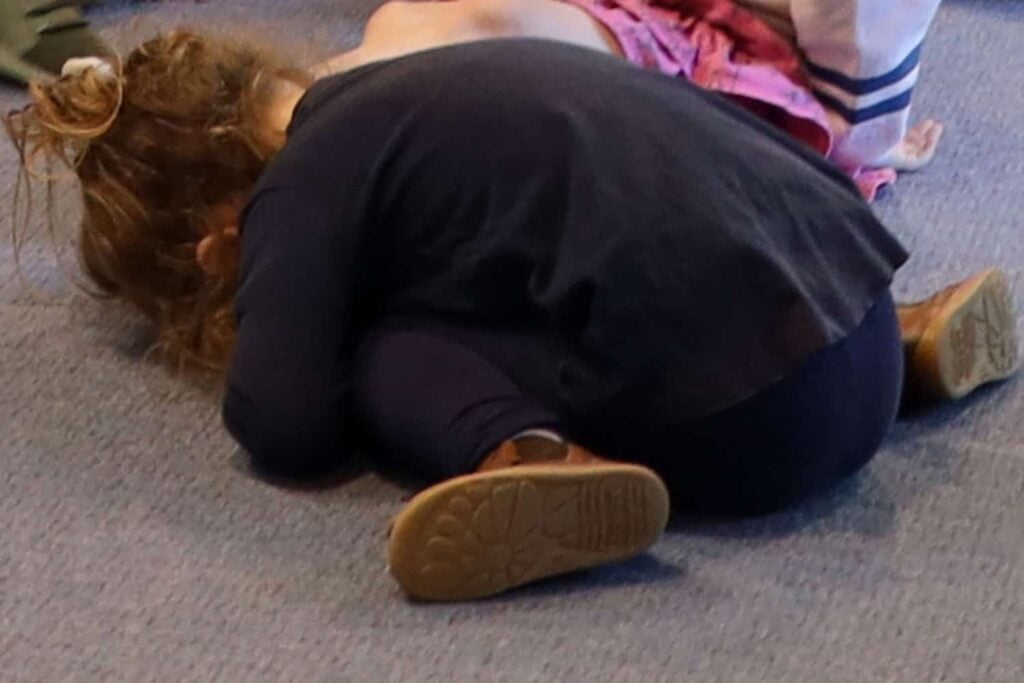
Medication Issues and Behavioural Disorders
Medication Issues and Behavioural Disorders. Back in the day, disruptive children who acted out or caused problems around the house were usually deemed to be…
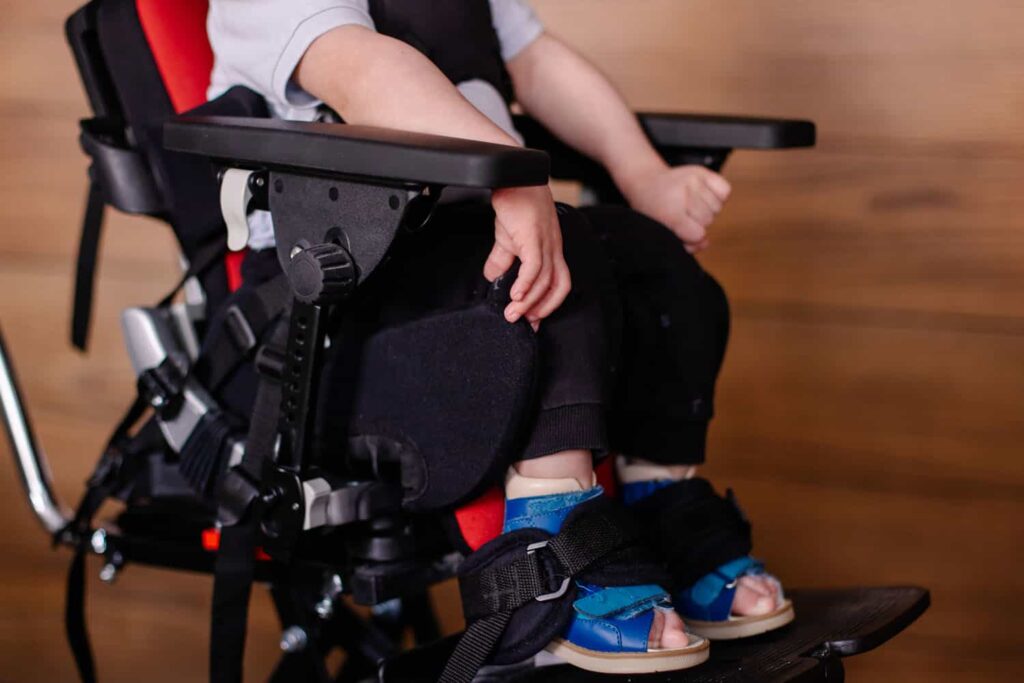
Learning from Disabled Children – How Early Childhood Professionals Can Help
Learning from Disabled Children. By Tim Kahn This article on Learning from Disabled Children is written from a UK perspective. Some terminology may not be…