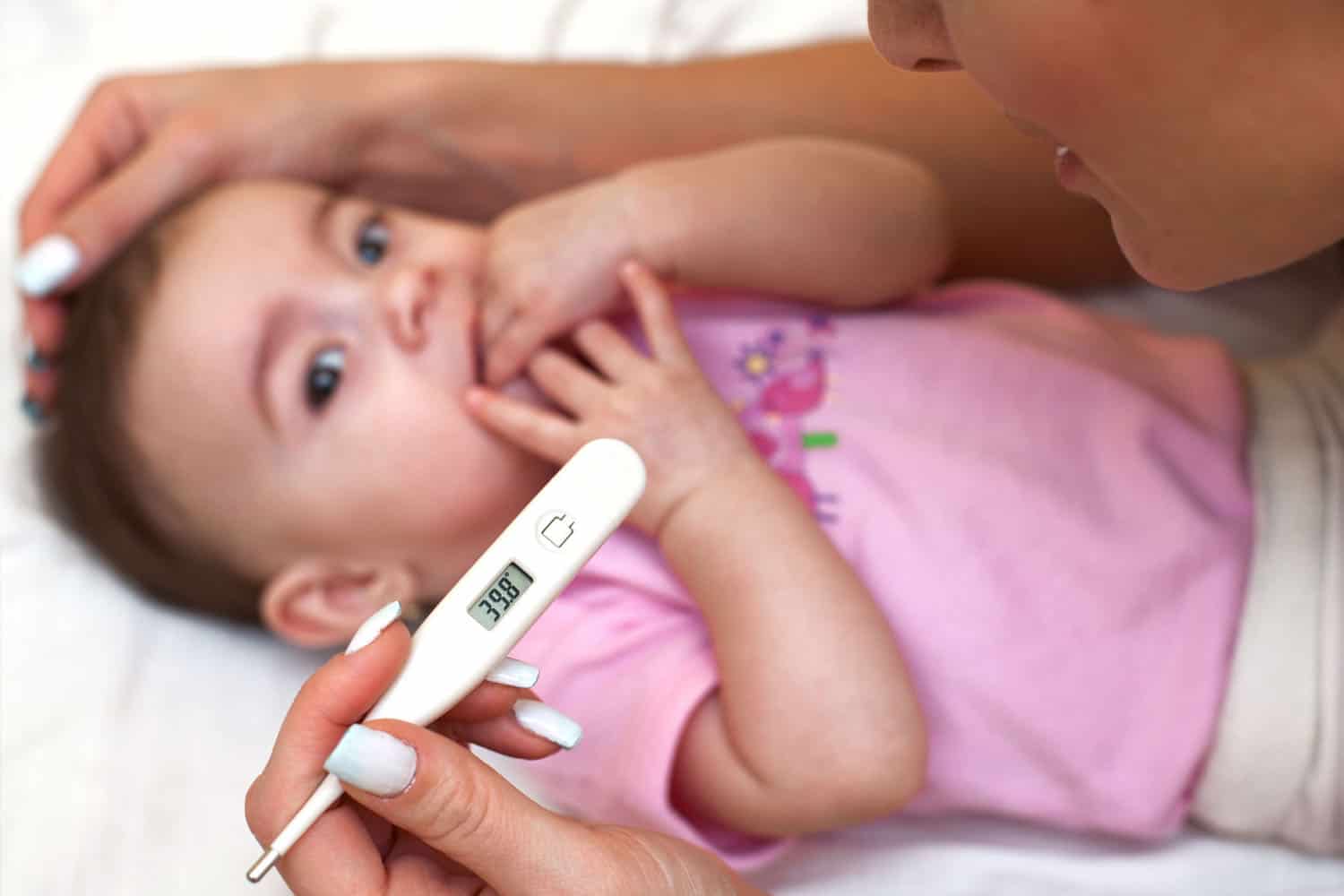
The Office of ECE is hearing from teachers, parents, and service providers around the country about an increase in winter illness – affecting children and staff.
Acute respiratory illness outbreaks from RSV, influenza and Covid-19 have been reported in some early childhood services. There is also a concerning increase in pertussis, or whooping cough.
Reporting requirements your ECE service must meet
ECE SERVICES IN THE WELLINGTON REGION – should you suspect a respiratory outbreak in your service – see this form: Notification of a suspected gastro or respiratory outbreak in an ECC or Kōhanga | RPH A suspected outbreak is three or more cases (staff or tamariki) in one area (e.g. under-twos room) showing similar symptoms of illness in 48 hours OR 15% of the centre are unwell.
ALL OTHER REGIONS – Contact your local public health unit to discuss a suspected outbreak and to get details of the requirements it has for making a report.
EVERYONE – contact your local public health unit or the Medical Officer of Health if you believe one of your children, staff or educators may have a communicable disease and you are not sure what you must do.
If you need to notify the Ministry of Health of significant illness the requirement is to notify the Ministry of Education at the same time (Licensing criteria For HS34). It would be a breach of licensing criteria if you do not.
Vaccination and immunisation form – for teaching staff and educators
Everyone who works with children in an ECE setting is at significant risk of acquiring or transmitting vaccine-preventable diseases.
Learn more about employer and the ECE service’s legal obligations and download and print the Staff vaccination and immunisation record form. The form can be used to start discussions with staff in a supportive and non-threatening way and raise awareness of the role adults play in helping to protect children from infectious diseases and keeping themselves protected.
Who is at greatest risk of RSV
Under-2s are at the greatest risk of getting very sick from RSV, especially those born prematurely, with underlying respiratory, heart and neurological conditions, and those born in areas of high deprivation and those of Māori and Pacific ethnicity. A preventative RSV antibody, Palivizumab (Synagis) is available for high-risk infants and some young tamariki, however this is not currently funded in NZ.
Who is at greatest risk of Whooping Cough?
The risk of pertussis (whooping cough) is the greatest for infants under 6 months. Early childhood staff and educators need to aware of this and the importance of getting a booster every 10 years. You may not be caring for infants, but you may be caring for their older siblings and transmit the disease to them.
Help and other resources – relevant to winter illness and contagious diseases
Rules and regulations – regarding preventing someone with a contagious disease coming in contact with children, isolation and care of sick children, and sending home requirements.
Immunisation and Infectious Diseases Policy and Procedures template for centres and home-based ECEs to use and adapt this is available for our current members who are service providers)
Administering medicine such as Panadol, Pamol and Ibuprofen to children – risks and requirements you need to follow (this is available for our current members who are teachers or educators)
Right of Entry policy – and who has right of entry when and under what circumstances (this is available for our current members who are service providers)
Vaccination of children – requirements, issues such as with safety, and children with immune deficiencies (this is available for our current members who are teachers or educators)
you may also be interested in reading…
HIV and AIDS – exclusion/ inclusion, managing responses by others at your service to a child who has HIV/AIDS and confidentiality guidelines (this is available for our current members who are teachers or educators)