Under-5s in ECE feel the Daylight Saving Switch the Most
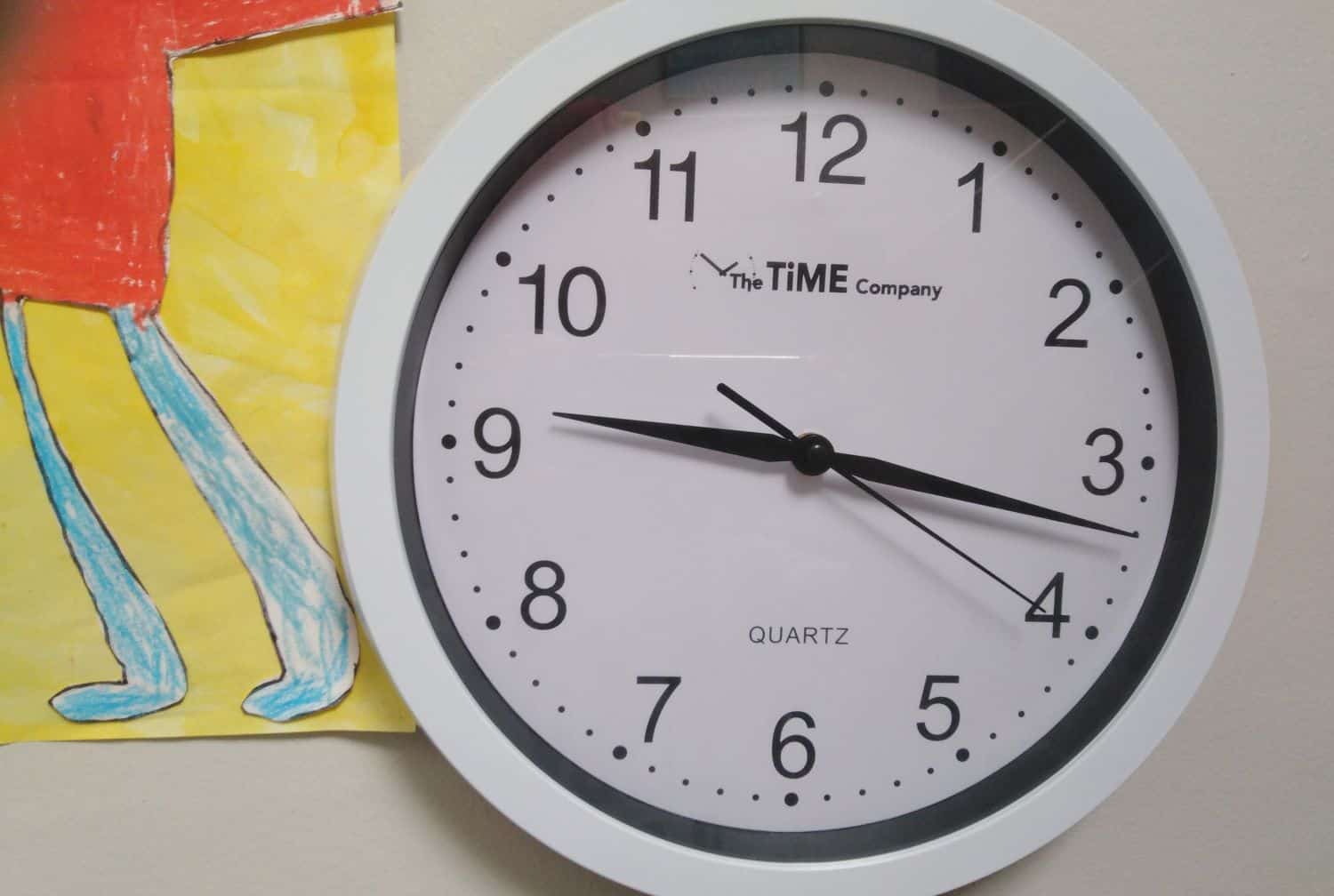
Clocks went forward an hour on Sunday and its young children, our under-5s, who feel the daylight saving switch the most.
Children get used to fixed times for routines such as waking, meals, and going to ECE, so when this change throws off their body clock, even a single lost hour can completely disrupt their daily schedule and leave them struggling to adapt.
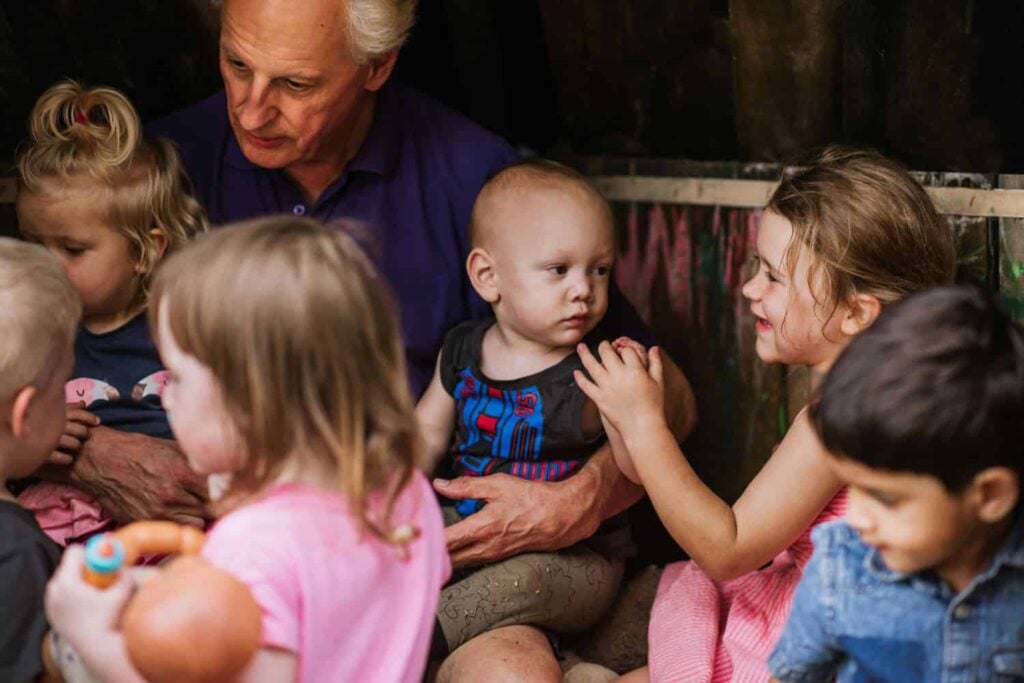
We see young children in early childhood education who get grumpy or tired more easily.
They can find it harder to follow instructions and concentrate on what they are doing.
It affects children’s alertness. This increases the risk of accidents, falls and bumps.
Early childhood expert, Dr Sarah Alexander advises a 20 minute and not a 1-hour adjustment in schedules and children’s routines such as nap times and eating times on Monday.
“This week, support families should they arrive a little later in the morning. Be understanding
“A gradual adjustment to the new daylight-saving time is both safer for children and better for their learning.
“Start off with a 20-minute adjustment on Monday for children’s routines, and continue to add a little more time during the week so by next week children’s internal body clock will have made the adjustment without any of the negative affects of daylight saving.”
More guidance for educators and services: Daylight Saving – What You Need to Know to Support Children Over This Period