Giving Medicine to Children: Safe Practices in ECE and Clear Expectations

Search in Teacher
giving children medicine Panadol, pamol ibuprofen and painkillers

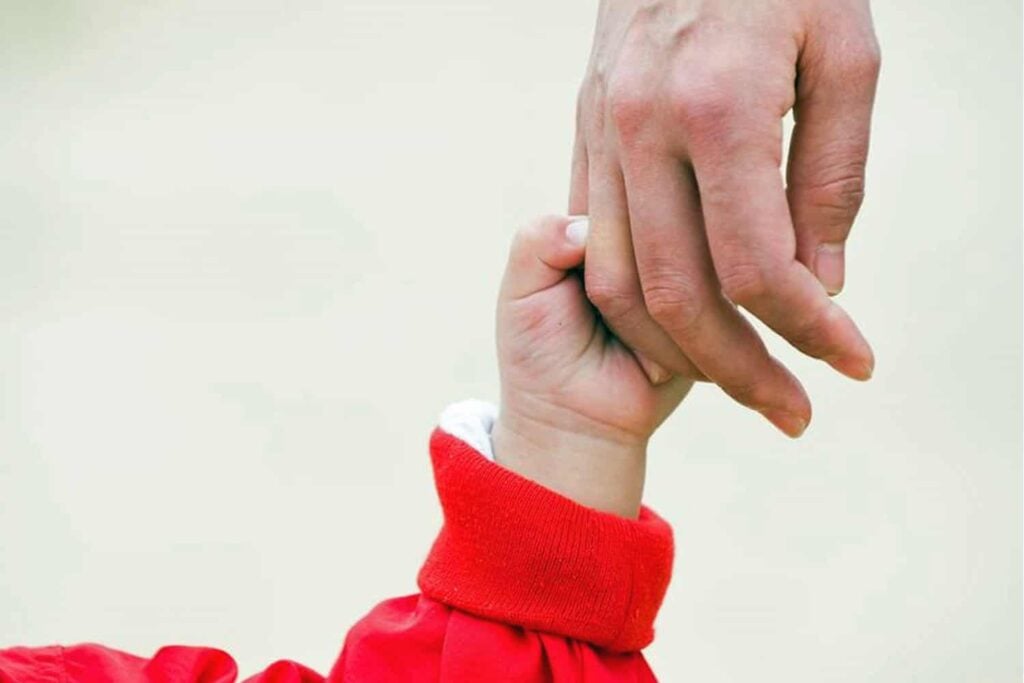
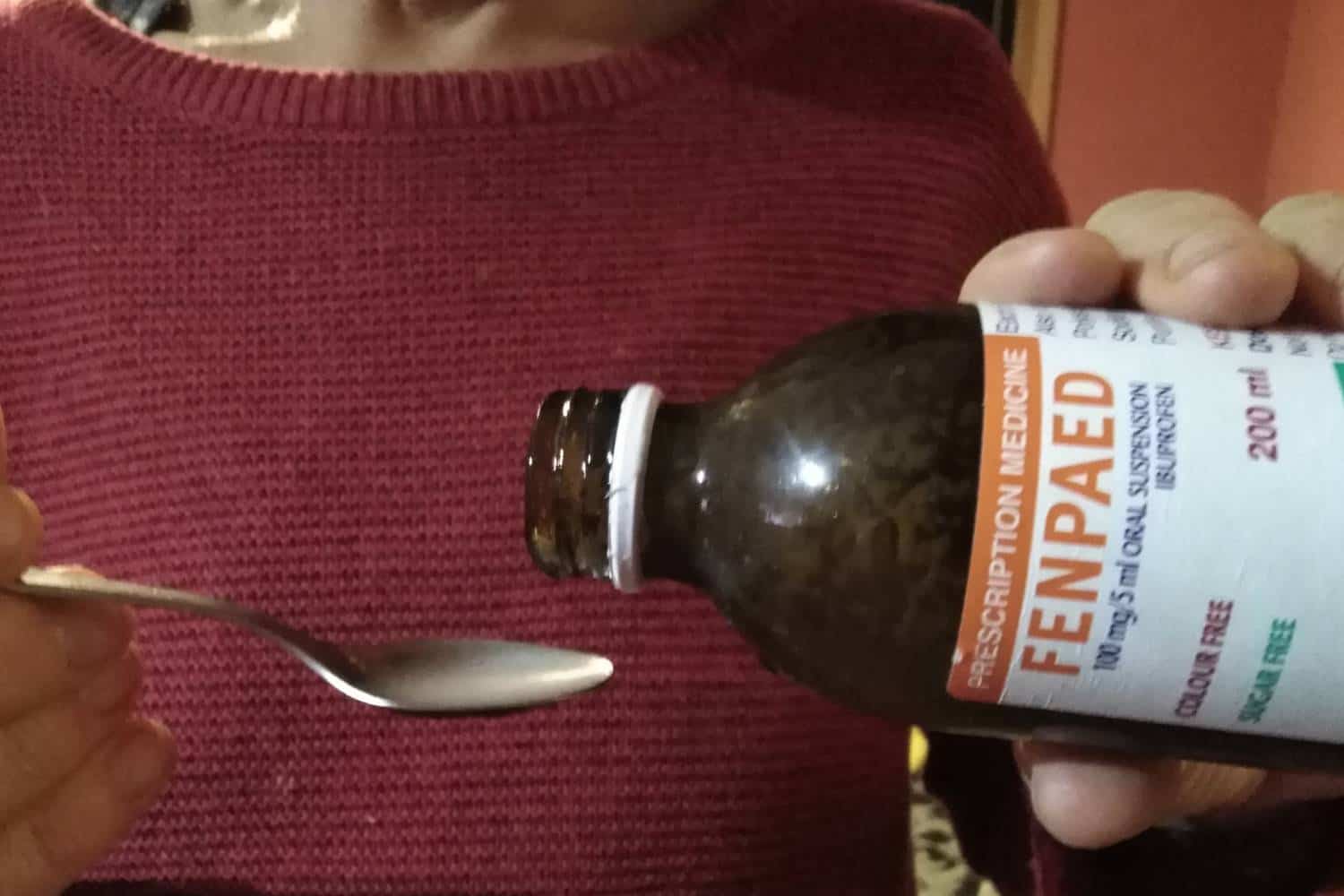
Giving medicine in ECE settings requires clear policies, especially when parents request painkillers like paracetamol or ibuprofen. It highlights the risks, the confusion many teachers face, and the need for consistent, safe practices that protect children’s health.

This is a member/subscriber only post. To access it, please see the message below for details on access and joining.

Already a Teacher Member?

Are you teaching and caring for children or studying for an ECE qualification?

If you are, that’s great!   Join us now, and become a teacher member.

Five Reasons to Join Us
1. Professional recognition

It is prestigious to belong to the OECE – you can skite about it! 

Ask us for an OECE Member Certificate, to include in your professional portfolio as proof you are engaged in reading and professional learning that advances your understanding of the relationship between practice and outcomes for children.

2. Extra benefits

No need to pay a subscription fee for access to NZ’s specialist ECE Newsroom – your member login will let you view everything in the ECE Newsroom. 

No need to pay to access the best NZ and international research – your member login gives you free access to the Research Library and support. 

3. Professional growth and no-judgement help

Teaching resources and advice on probably everything you can think of, including what to wear as a teacher, how to ask for a pay raise, identifying child behaviour causes and responding to needs, new play activity ideas, etc., etc.  all of this is at your finger-tips 24/7 whenever you need help or advice – login to view. 

4. Representation

Did you know that the OECE meets personally and regularly with the Ministry of Education national team, and the regulations committee and other forums? 

Political leaders and journalists are able to use the OECE to gain deeper knowledge on a topic or issue, and we provide a sounding board for ideas and feedback.

The OECE promotes safe working environments for teachers.  We also promote the absolute need for full pay parity with school teachers for all certificated teaching staff working in teacher-led centres and in home-based, and whether permanently or casually employed. 

5. Value for Money

We are committed to keeping membership prices affordable and providing value for money. 

Teacher membership is just $89 for a full year, or save by joining for 2 years.

Has this been useful?  Give us your feedback.

You are welcome to add a link to this page on your website. Copyright belongs to the OECE so please do not copy any content without our written permission.

Information provided is of a general nature. It is provided ‘as is’, and we accept no liability for its accuracy or completeness. See our Terms and Conditions.

Related Posts

deaf sign language

Using Sign Language in Our Early Childhood Teaching

NZ Sign Language in Early Childhood Education and in our Teaching.

By Rachel Pratt.

NZ Sign Language (NZSL) is one of the three official languages of NZ and all ECE services and teachers need a basic understanding of it. Hearing children can become more understanding of differences and Deaf children can experience an environment where they feel welcome and supported.

Why should I teach it when there are no children with hearing impairments?

Deaf children who require visual communication represent about 0.1 percent of the population of children who are involved in early childhood education. For this reason, early childhood teachers and educators may not encounter many Deaf children and question the importance of using NZSL in their service.

This is a member/subscriber only post. To access it, please see the message below for details on access and joining.


Read More »
Adults talking about early childhood education and childcare.

An Ethical Guide to Doing, Writing and Disseminating Research

The Ethics of Doing, Writing and Disseminating Research.

By Joy Cullen, Helen Hedges and Jane Bone. Republished by the Office of Early Childhood Education First Published in our NZ Research in ECE Journal, Volume 12, pp. 109-118.

This statement is intended to guide academic researchers, teachers, postgraduate students, managers, licensees

This is a member/subscriber only post. To access it, please see the message below for details on access and joining.
Read More »
slow cooker cooking with children in early childhood education centres and homes

Cooking with Children – Using a Slow Cooker

Using a Slow Cooker for Teaching Children about Cooking and Preparing Kai

As a responsible teacher or educator you role model and pass on good nutritional dietary habits… don’t you?  Well…, in front of the children anyway!  But does this mean leaving a wonderful learning opportunity consigned to the pantry?  It probably mean

This is a member/subscriber only post. To access it, please see the message below for details on access and joining.

Read More »

Share This Information

Table of Contents

Table of Contents

The Office of ECE Login

Take Action!

Help spread this vital ECE information, join our free social and email groups and become a member of OECE.

pay parity funding policy

1. Share This Information

2. Follow Our Social Pages

3. Get Regular Updates

Sign up to our free newsletters.

4. Become a Member