First Time Mothers and their Decisions About The Care of Their Infant

Search Entire Website
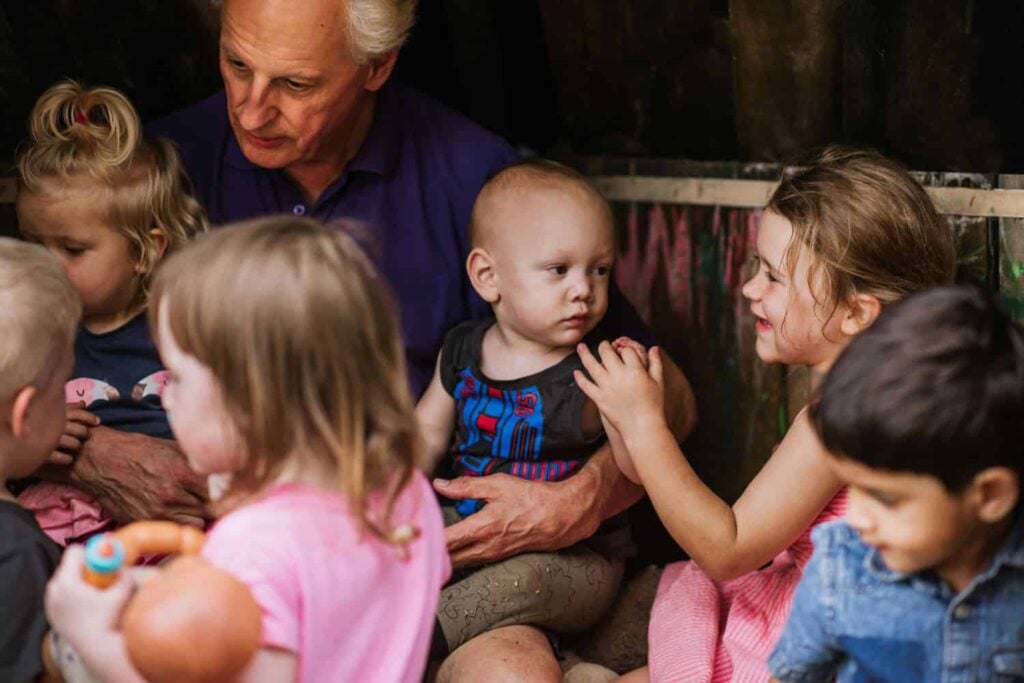
Baby in care encouraged to have a kick around.

Who Cares for Baby? Women’s Preferences.
A research paper.

What are women’s preferences for the care of their infant? And how are their decisions for baby’s care a reflection of beliefs and personal circumstances, as well as a reflection of what support for baby care is available and how accessible it is? 

The percentage of children less than twelve months old enrolled at an early childhood service is continuing to increase.

New Zealand research on infant/toddler care has mostly been concerned with the needs and experiences of parents who are already using formal childcare. We still know little about how first-time mothers (and their partners) come to make the decisions they do about who is to care for their very young child and why. 

This paper provides a case study of the preferences for infant care of four women with very different personal situations and levels of career commitment.

It looks at the women’s preferences for infant care, and how their arrangements impacted on family life, infant well-being, and employment. The study presented here is small and exploratory in beginning to examine choices in the type of childcare and the quality of childcare valued and used by parents of infants. 

It identifies that parents know what is quality care for their baby but this can conflict with what they know they should want as a member of society.

For more go to: Who Cares for Baby? Women’s Preferences

Has this been useful?  Give us your feedback.

You are welcome to add a link to this page on your website. Copyright belongs to the OECE so please do not copy any content without our written permission.

Information provided is of a general nature. It is provided ‘as is’, and we accept no liability for its accuracy or completeness. See our Terms and Conditions.

Related Posts

teacher wages, pay scales, in childcare and early childhood education

What ECE Teachers and Workers Earn: Pay, Benefits and Conditions

Anyone thinking about getting a job in ECE working in ECE or thinking about moving to a different service will find clear, practical information in this article about pay rates, employment conditions, and what to expect in different roles. It explains everything from starting salaries and pay‑step calculations to workplace rights, benefits, and how to recognise a supportive, professional environment.

Read More »
early childhood research journal online

Visible Difference: Photostory as Capacity Building, Research and Evaluation Method

This paper presents research on the use of visual documentation – photo stories – to support reflective teaching practice, disrupt traditional power relations between educators and families, and enable teacher and researcher co-construction of knowledge. Read the full paper below. Or to order a pdf copy of the article go to the main NZIRECE Journal page.

This is a member/subscriber only post. To access it, please see the message below for details on access and joining.

Read More »
funding for early childhood education services, money and financial matters in early childhood education NZ.

ECE Services that Swallowed up Most Funding and the Groups that Got a Smaller Portion of the Pie

ANALYSIS/OPINION – June 26, 2025.

The Government spent 13% more on funding early childhood education last year than in 2023, but three out of the top four not-for-profit provider groups got a smaller portion of the pie.

The two largest privately-operated provider groups – BestStart and Busy Bees – received slightly more funding (proportionately) year-on-year. 

New Shoots Children’s Centres had the highest amount of funding per individual service in the group ($31.26M for 16 services, or just under $2M per service).

Whānau Manaaki (Wellington) Kindergarten Association, Auckland Kindergarten Association and Central Kids Kindergarten Trust (Waikato/Bay of Plenty) all got smaller proportions of funding than they did over the previous 12 months.

(See charts and tables below for more details.)

This is a member/subscriber only post. To access it, please see the message below for details on access and joining.

Read More »
K.Miller.pic2

Multi-Cultural Activities

Multi-Cultural Activities.

Most early childhood education services include bi-cultural elements in their teaching and learning, but with New Zealand becoming an increasingly multicultural country it can be interesting for children to learn about other cultures as well, particularly if there are children from these cultures within their communi

This is a member/subscriber only post. To access it, please see the message below for details on access and joining.

Read More »
Early childhood education financial and money matters

RS7 Return – Can You Afford to Opt-in to the Pay Parity Funding?

Opting-In to Pay Parity Funding.

Some service may opt-out and then lose their teachers to other services that have opted in. Others opting-in to pay parity funding could risk becoming insolvent. It’s bonus money for services already paying all their certificated teaching staff at least at the first 5 or 6 pay steps.

To explain the math and

This is a member/subscriber only post. To access it, please see the message below for details on access and joining.

Read More »
The Office of ECE

Share This Information

Table of Contents

Table of Contents

The Office of ECE Login

Take Action!

Help spread this vital ECE information, join our free social and email groups and become a member of OECE.

pay parity funding policy

1. Share This Information

2. Follow Our Social Pages

3. Get Regular Updates

Sign up to our free newsletters.

4. Become a Member

Public Area Categories
Categories