Opens in a new tab

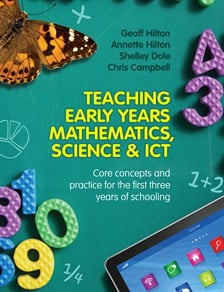
Teaching Early Years Mathematics, Science and ICT

Search in Research
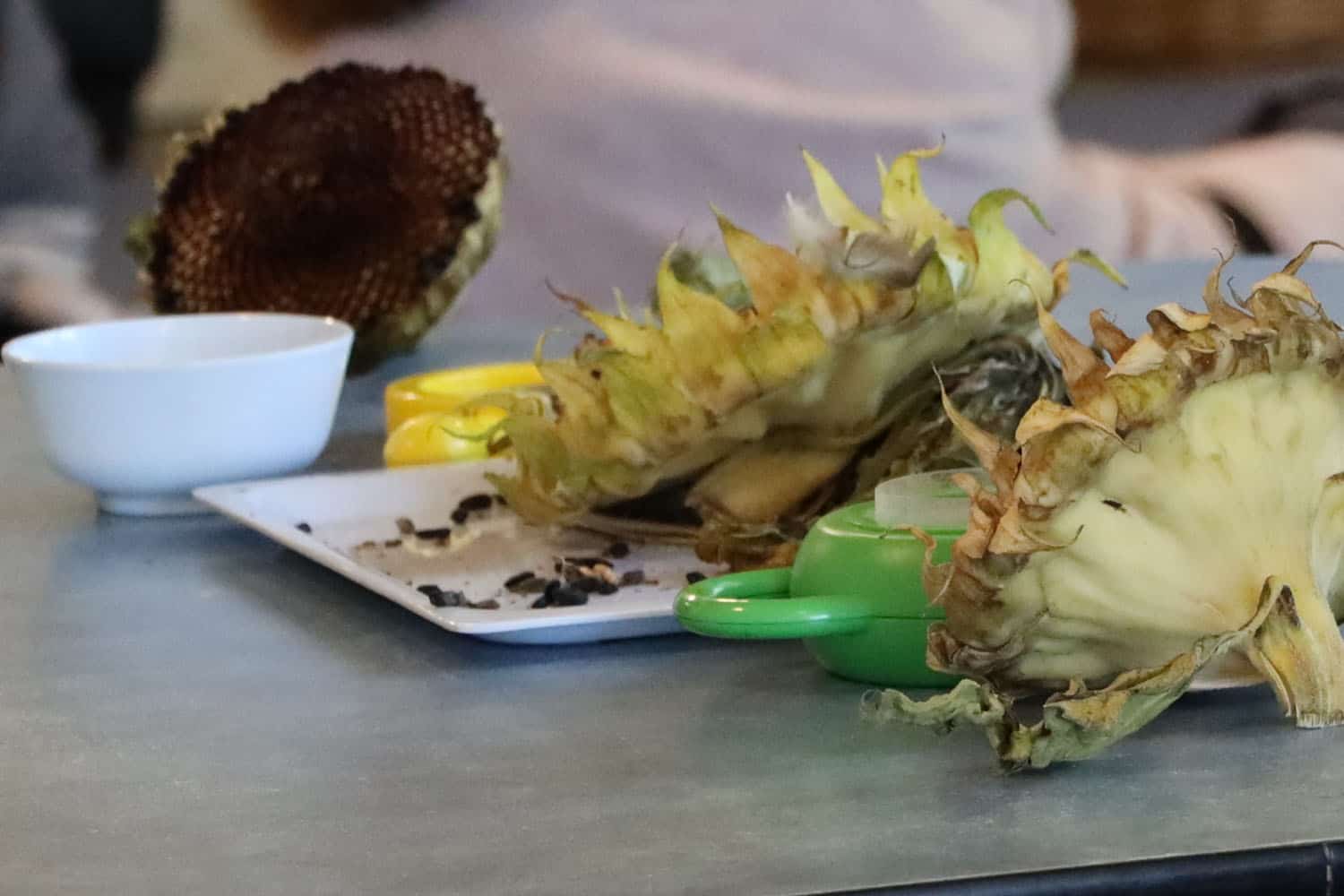
sunflower heads on table for children to remove and view (science)
early years maths science book review

Teaching Early Years Mathematics, Science and ICT by Geoff Hilton Annette Hilton, Shelley Dole and Chris Campbell.

Teachers, here is a helpful book jam-packed with ideas for teaching early years mathematics, science and ICT to children aged about 4 to 8 years. 

It shows how you can integrate information and computer technology into children’s science and maths learning – and make it fun!

Different ways of teaching some ‘big’ ideas and concepts common to educational curriculum across countries is presented. 

Some of the exciting topics covered are:

  • Robotics
  • Animal homes
  • Inside a bubble
  • Money activities
  • Colour making
  • Making puddles
  • Ice-cream making
  • Creating time calendars

These topics have as much to do with education as they are about keeping children inspired, enthusiastic, and wanting to learn more and more.

The authors encourage and place an emphasis on being flexible, creative, and responsive to children’s individual needs and abilities.  They also emphasise the importance of recognition of what knowledge, abilities and interests children come to school with and connecting these to school experiences.

Much of the book is focused on context-based learning.  An example given is of learning that can take place in the garden – such as through exploring what lives in the garden, growing plants, maintaining a worm farm and recycling organic materials. 

A planning and reflection template is included which is super helpful for teachers keen to advance the quality of their teaching and ensure good outcomes for children’s learning.

Teaching Early Years is written by researchers who also have extensive teaching experience. They are from different countries:  Denmark and Australia, and this is reflected in the book because the material shared and the ideas given could be applicable to any country regardless of what a country’s national curriculum happens to be.

Paper Back ISBN: 978-1-74331-441-8
Publication date: 2014
Publisher: Allen & Unwin
Price: AUD $49.95

See other Educator member article’s on ICT and Teaching Science in ECE
Leave the first comment

Already a Research Subscriber?
Login
Reasons to Subscribe
Subscribe Now

Article copyright belongs to the OECE / ChildForum. You are welcome to add a link to this research article on your website.

Related Posts

toddler on winter's day curious or looking at what is between his fingers

Young Children Becoming Curriculum: Deleuze, Te Whāriki and Curricular Understandings

Marg Sellers contests the usual dichotomisation of children and curriculum, by proposing and developing the notion of re(con)ceiving children in curriculum. 
toddler walking on concrete and over to safety surface at playground.

“A City Possessed”: The Christchurch Civic Creche Case by Lynley Hood

No other case of child abuse in New Zealand's history has held public attention so strongly and for so long as the Christchurch Civic Creche…
child hands puzzle piece to adult

Learning from Sure Start: Working with Young Children & their Families

Clear details on how the British have been trying to get it right for young children by taking an integrated service delivery approach, aiming to…
minimum licensing standards breached as this shows adult-sized furniture from which a child could fall

Suffer the Little Children by David Smith

In his self-published book, David Smith reflects on over 30 years of working in early childhood education, mainly in teaching roles at a variety of…
male early childhood teachers and teacher supply in NZ

Men who Teach Young Children: An International Perspective by David Brody

Author Dr David Brody provides a penetrating look at the lives and personal beliefs of male early childhood and kindergarten teachers. He also reviews the…
early childhood research journal online

What is Research? Methodological Practices and New Approaches

A fantastic guide to doing research! Jeanette Rhedding-Jones explains that there is much to learn, understand, and consider when planning, doing, publishing and evaluating research.
Child playing with toy dinosaurs while a girl looks on the shelves for more toy animals at their early childhood centre.

Progressing Play

How to teach and not what to teach is the focus of ‘Progressing Play’.  The authors detail, discuss and throughout the book provide real-examples of…
fit hole peg descion-making

Critical Issues in Early Childhood Education

This book presents diverse viewpoints on critical issues in ECE, so that readers can discuss the positions and issues being interrogated and make their own…
A basket of children's books for children to carry to any place they want at their early childhood centre

The NZ Early Childhood Literacy Handbook by Judy Hamer & Paul Adams

Hamer and Adams have skilfully weaved the latest research and theory with the current political and social context to present proposals for best literacy practices…
child climbs fruit tree

Beyond Quality in Early Childhood Education & Care Postmodern Perspectives

Beyond Quality extends the values-based approach, and taking a postmodern perspective, argues that researchers cannot continue to claim the “truth” and the right to define…

Are you teaching and caring for children or studying for an ECE qualification?

If you are, that’s great!   Join us now, and become a teacher member.

The Office of ECE

Share This Information

Notice for Students and Library Users
You are able to access all Journal Research articles under the library's subscription. But unless you hold a personal membership you are missing out on a whole lot of valuable teaching and policy articles and other important information. At home, or on your mobile device that is not linked to your institution or library's internet or subscription - click on the JOIN button below.
Join
Press Enter to see every result.

The Office of ECE Login

Take Action!

Help spread this vital ECE information, join our free social and email groups and become a member of OECE.

pay parity funding policy

1. Share This Information

2. Follow Our Social Pages

3. Get Regular Updates

Sign up to our free newsletters.

4. Become a Member

Membership Options