Our Position on Teacher Gender and What we Have Done

Search Entire Website
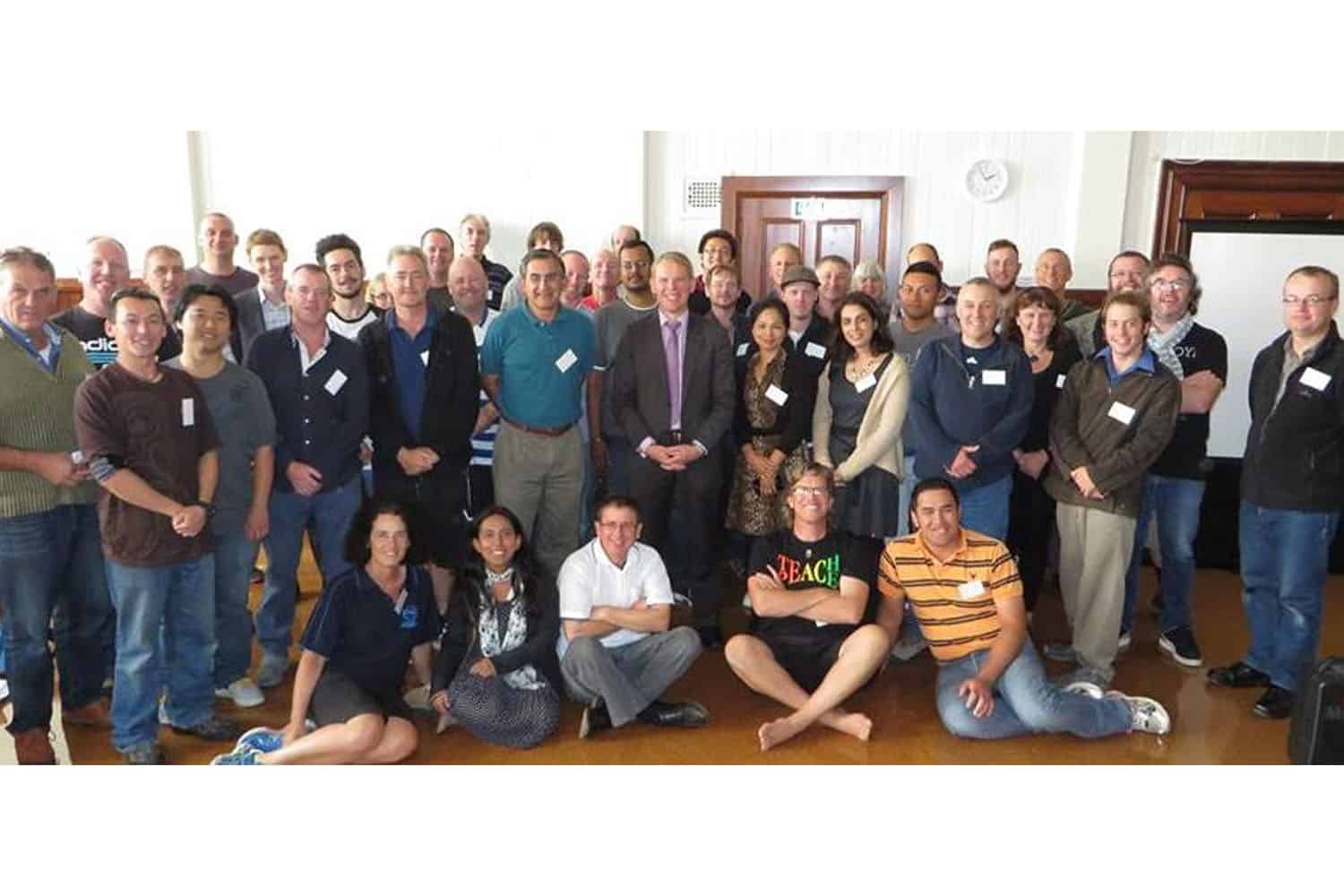
Men In Early Childhood Education National Summit. Minister Chris Hipkins standing centre. Dr Sarah Alexander (organiser) seated front left.

The OECE’s position on teacher gender.

Our position on teacher gender is that men must be recruited into early childhood teaching as well as women.

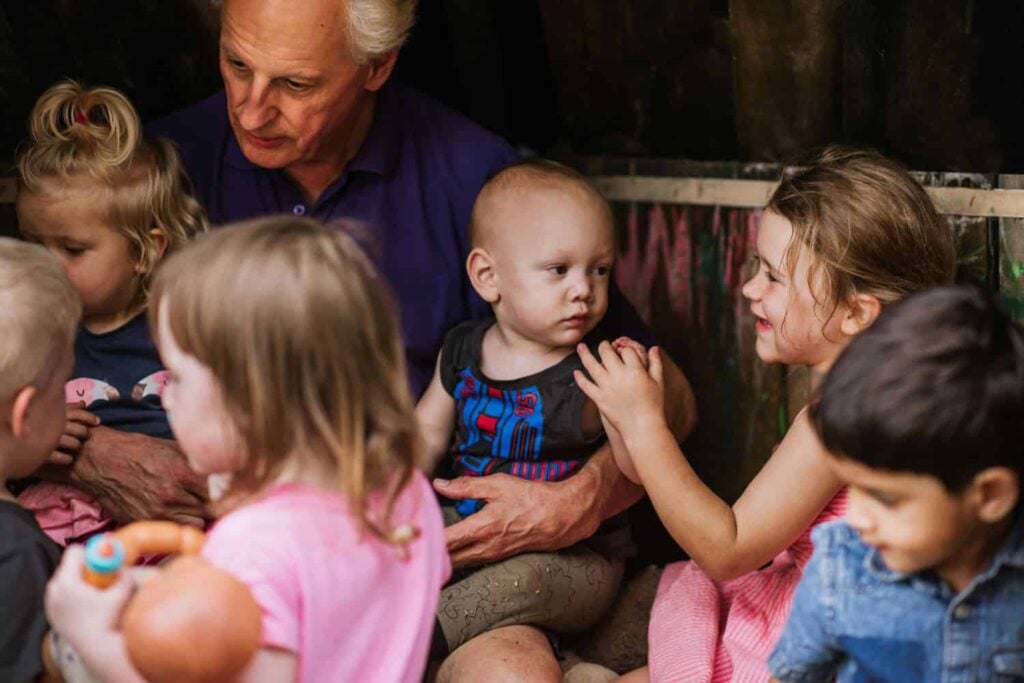
We believe that the current gender imbalance in staffing in early childhood services hampers efforts to achieve high quality learning and care for children. 

What we have done 

We have been at the forefront of raising awareness of gender discrimination and developing arguments for men in childcare and teaching. 

We have taken action, including:

  • Supporting men to have a voice in the sector and raising awareness of issues
  • Undertaking a national survey on ECE sector participant views concerning bringing more men into ECE and what benefits (or not) this would have.  The survey revealed that it that better representation of men in teaching would:  be of benefit to children’s learning and social development, raise quality within the sector in various ways including improving staff dynamics by having a mixed gender team, and help Dads feel more comfortable staying with their child and participating in the ECE programme.
  • Encouraging more men into early childhood teaching. We provide the “Men in ECE Invitation Award”.  Men need to be invited into ECE teaching.  This Award is one way our sector shows men that they are welcomed.  Find Go to the Invitation Award page to learn more.
Has this been useful?  Give us your feedback.

You are welcome to add a link to this page on your website. Copyright belongs to the OECE so please do not copy any content without our written permission.

Information provided is of a general nature. It is provided ‘as is’, and we accept no liability for its accuracy or completeness. See our Terms and Conditions.

Related Posts

teacher wages, pay scales, in childcare and early childhood education

What ECE Teachers and Workers Earn: Pay, Benefits and Conditions

Anyone thinking about getting a job in ECE working in ECE or thinking about moving to a different service will find clear, practical information in this article about pay rates, employment conditions, and what to expect in different roles. It explains everything from starting salaries and pay‑step calculations to workplace rights, benefits, and how to recognise a supportive, professional environment.

Read More »
job interview

Values-based Interviewing as Part of the Staff Safety Check

Values-based Interviewing.

It is usual to conduct a formal interview with potential job applicants and to cover skills, experience and knowledge during the interview.  This ‘technical’ interview is important to ensure that the applicant has the skills, competencies and knowledge to meet the job description and person specifications.

F

This is a member/subscriber only post. To access it, please see the message below for details on access and joining.

Read More »
the importance of touch as part of caregiving and teaching children

Teaching Literacy – An Early Childhood Educator’s Guide

Guide to Teaching Literacy. By Dr Sarah Alexander.

From their earliest speech experiences through to contact with written language and technologies, what happens in children’s homes and communities shapes their early literacy learning.  How, and whether this early learning is taken up and extended through early childhood educational practic

This is a member/subscriber only post. To access it, please see the message below for details on access and joining.

Read More »
Children supported in their Maori cultural development - learning a haka.

Noho Marae – What’s involved and making the most out of your overnight stay at a marae

If you’ve attended noho marae before, you will likely have some knowledge of the pōwhiri or mihi whakatau process, and of the specific tikanga of the marae.

If it’s your first time, you may feel nervous and keen to ensure you know what to do, to show respect to the haukainga. 

Noho marae are a unique and powerful experience of learning and connectedness. 

Many ECE teams attend noho marae. This may be for professional development, team building, wānanga, connecting with tangata whenua or all of these reasons! Noho marae are also usually included in initial Teacher Education programmes. 

Pōwhiri Process

Pōwhiri are important welcoming ceremony which welcome manuhihi onto a marae.

This is a member/subscriber only post. To access it, please see the message below for details on access and joining.

Read More »
early childhood research journal online

Contents – NZ Research in ECE Journal, 2012, Vol 15

This issue spans quality review in ECE, Montessori‑based literacy, relational ways of living and learning, optimal outdoor environments, parent–child coping communication, peer expertise‑sharing, communication in early intervention, a child’s lived experience in care, practitioner research journeys, student‑teacher support, cultural‑historical borderlands, and the complexities of goal‑setting in field‑based programmes, alongside research on the social needs of solo fathers.

Read More »
crying child upset abuse hurt

A Child Left Locked in a Van: Neglected by the ECE Centre, Failed by the System

A young child was left alone in a locked early childhood centre van for almost 50 minutes in December summer heat.

We asked the Ministry: “As the Government’s principal advisor on ECE policy and regulation and the agency responsible for ensuring licensed services keep children safe and meet regulatory requirements, does the Ministry accept accountability for child safety outcomes?” The Ministry responded:

Login to keep reading this ECE Newsroom story.

This is a member/subscriber only post. To access it, please see the message below for details on access and joining.

Read More »
The Office of ECE

Share This Information

Table of Contents

Table of Contents

The Office of ECE Login

Take Action!

Help spread this vital ECE information, join our free social and email groups and become a member of OECE.

pay parity funding policy

1. Share This Information

2. Follow Our Social Pages

3. Get Regular Updates

Sign up to our free newsletters.

4. Become a Member

Public Area Categories
Categories