ERO’s Takeover of the Ministry’s SELO 1 Funding Contradicts Regulation Requiring Providers to Pay for Compliance Support

Search Newsroom Posts
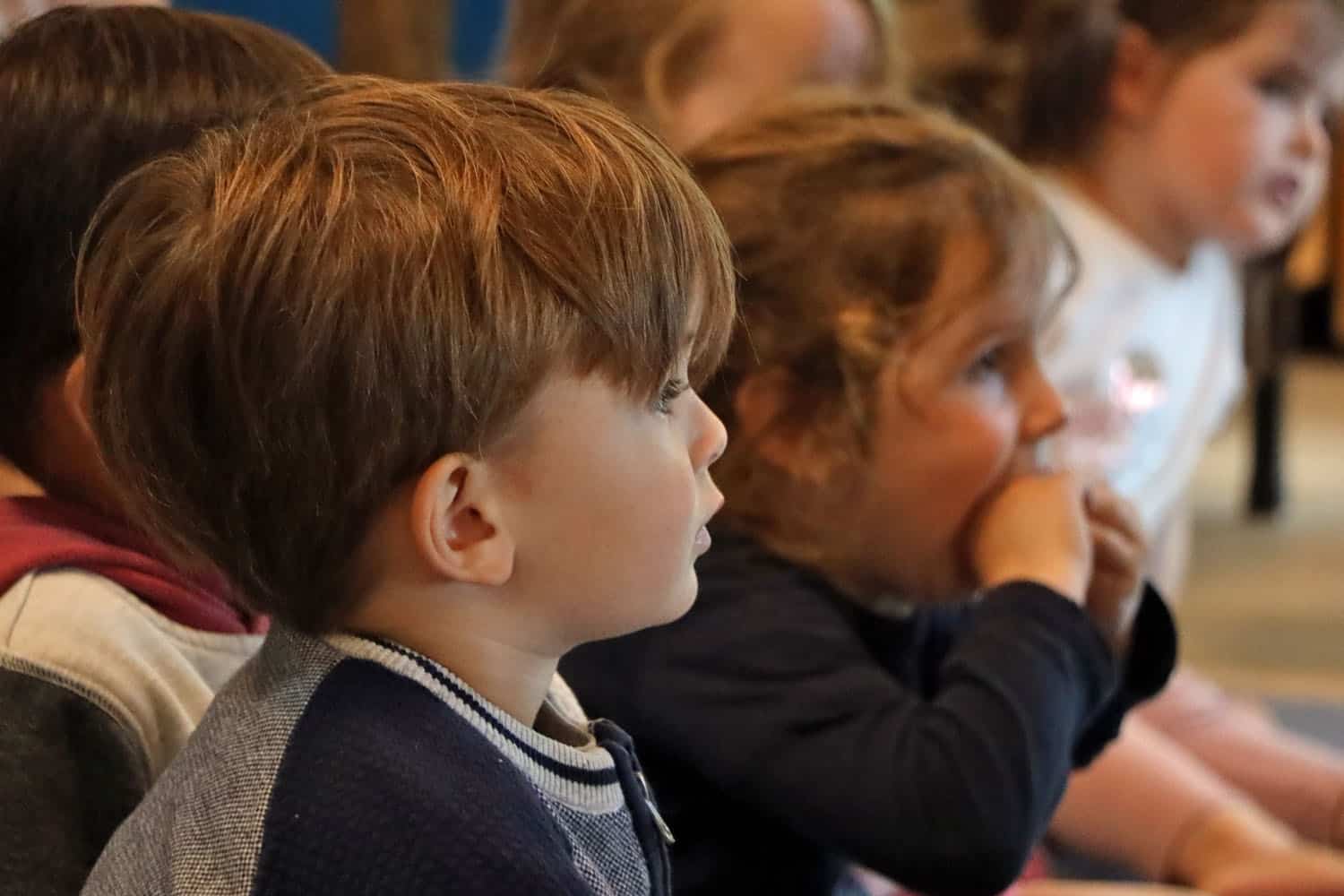
Children listening attentively to teacher at early childhood centre mat-time image of the Office of Early Childhood Education (OECE).

ERO has taken control of a key ECE support fund previously administered by the Ministry of Education, raising questions about how the funding will operate under new regulations that allow the Director of Regulation to require providers to pay for specialist help themselves.
Login to read the full story.

This is a member/subscriber only post. To access it, please see the message below for details on access and joining.
Already subscribed?
ECE Newsroom

NZ’s own specialist ECE newsroom. 
Access national and local stories, in-depth analysis, & original commentaries.  

Membership Support for Teachers & Educators

(Comes with free Newsroom and Research access)

Membership Support for ECE Service Owners, Managers, & Community Organisations

(Comes with free Newsroom and Research access)

Researchers & Tertiary Education Libraries

Full access to over 25 years of ECE academic research articles – NZIRECE Journal.
Plus, guidance and resources on doing and publishing research

Has this been useful?  Give us your feedback.

You are welcome to add a link to this page on your website. Copyright belongs to the OECE so please do not copy any content without our written permission.

Information provided is of a general nature. It is provided ‘as is’, and we accept no liability for its accuracy or completeness. See our Terms and Conditions.

Related Posts

teacher wages, pay scales, in childcare and early childhood education

What ECE Teachers and Workers Earn: Pay, Benefits and Conditions

Anyone thinking about getting a job in ECE working in ECE or thinking about moving to a different service will find clear, practical information in this article about pay rates, employment conditions, and what to expect in different roles. It explains everything from starting salaries and pay‑step calculations to workplace rights, benefits, and how to recognise a supportive, professional environment.

Read More »
Children supported in their Maori cultural development - learning a haka.

Noho Marae – What’s involved and making the most out of your overnight stay at a marae

If you’ve attended noho marae before, you will likely have some knowledge of the pōwhiri or mihi whakatau process, and of the specific tikanga of the marae.

If it’s your first time, you may feel nervous and keen to ensure you know what to do, to show respect to the haukainga. 

Noho marae are a unique and powerful experience of learning and connectedness. 

Many ECE teams attend noho marae. This may be for professional development, team building, wānanga, connecting with tangata whenua or all of these reasons! Noho marae are also usually included in initial Teacher Education programmes. 

Pōwhiri Process

Pōwhiri are important welcoming ceremony which welcome manuhihi onto a marae.

This is a member/subscriber only post. To access it, please see the message below for details on access and joining.


Read More »
child's birthday at home

Birthday Parties

When planning a children’s birthday party at your centre or home the first things to consider are:

The birthday child’s age and developmental abilities so that the party games, food (etc) are appropriate.The child’s personal likes and interests (e.g. you would not organise an inside noisy dance party with lots of friends for a 4-year-old girl wh

This is a member/subscriber only post. To access it, please see the message below for details on access and joining.

Read More »
Adult-child interactions at early childhood centre. Shows parent involvement.

Constructions of Quality in NZ Early Childhood Centres

This ground‑breaking New Zealand study examines how different early childhood settings construct “quality” from a values‑based perspective. By comparing the unique meanings held across kindergartens, childcare centres, playcentres and kōhanga reo, it reveals how diverse philosophies shape what quality truly looks like.

Read More »
Wages exploitation and bullying of early childhood teaching staff

Working More Hours than You are Being Paid

Not Being Paid for Hours Worked.

A teacher’s work is never done. This is a phrase that are heard all too often in early childhood education when referring to unpaid work that is done by teachers. It is almost an expectation in some services that teachers spend hours of their own time setting up, cleaning, attending staff meetings, attending w

This is a member/subscriber only post. To access it, please see the message below for details on access and joining.
Read More »
NZ International Research in Early Childhood Education journal

Children as Photographers

NZ Research on what happened when children in early childhood centres were supported to document their own views using a camera. Read the full paper below. Or to order a pdf copy of the article go to the main NZIRECE Journal page.

This is a member/subscriber only post. To access it, please see the message below for details on access and joining.
Read More »
The Office of ECE

Share This Information

Table of Contents

Table of Contents

The Office of ECE Login

Take Action!

Help spread this vital ECE information, join our free social and email groups and become a member of OECE.

pay parity funding policy

1. Share This Information

2. Follow Our Social Pages

3. Get Regular Updates

Sign up to our free newsletters.

4. Become a Member