Birthday Parties

Search in Teacher
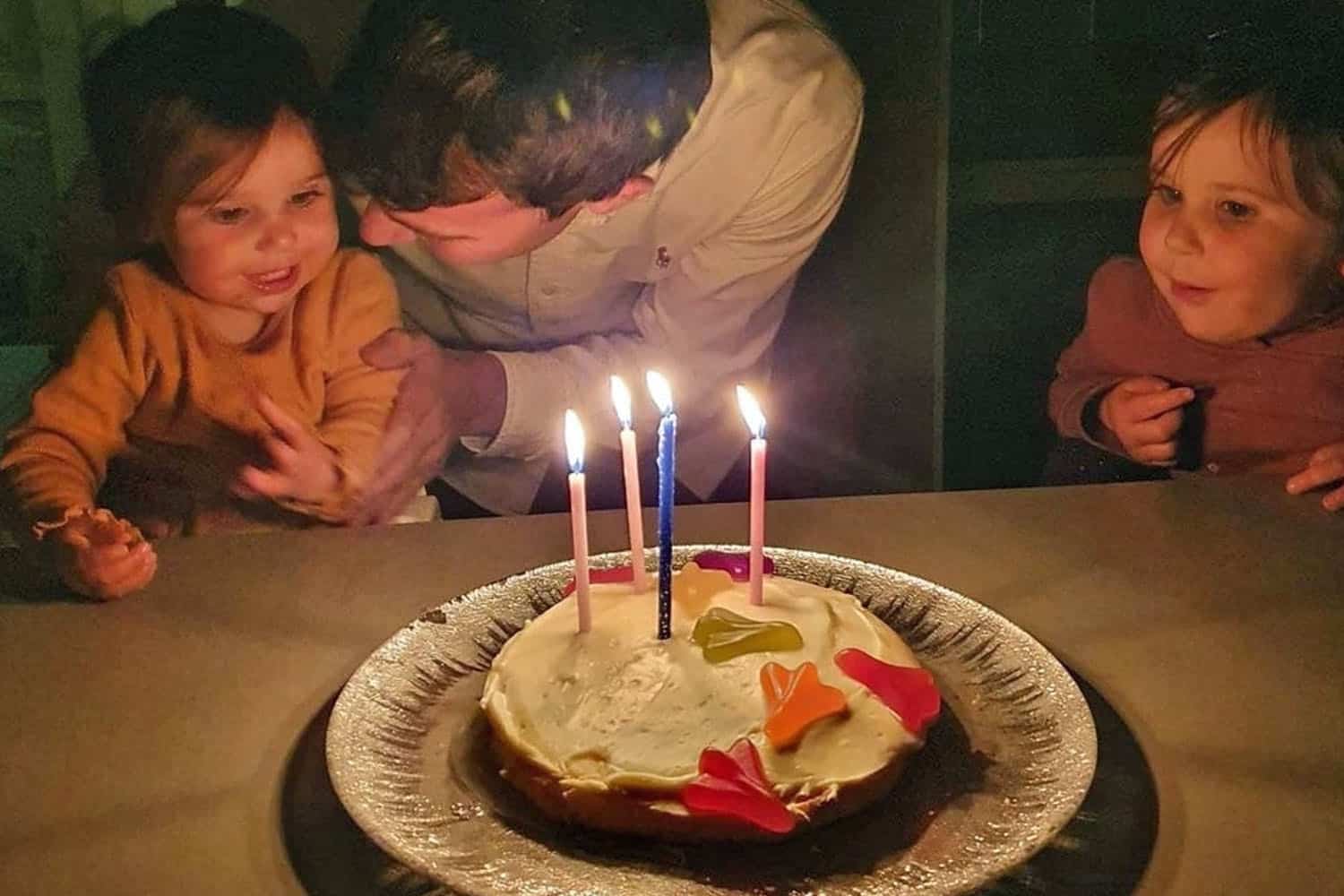
child's birthday at home

When planning a children’s birthday party at your centre or home the first things to consider are:

The birthday child’s age and developmental abilities so that the party games, food (etc) are appropriate.The child’s personal likes and interests (e.g. you would not organise an inside noisy dance party with lots of friends for a 4-year-old girl wh

This is a member/subscriber only post. To access it, please see the message below for details on access and joining.
Already a Teacher Member?

Are you teaching and caring for children or studying for an ECE qualification?

If you are, that’s great!   Join us now, and become a teacher member.

Five Reasons to Join Us
1. Professional recognition

It is prestigious to belong to the OECE – you can skite about it! 

Ask us for an OECE Member Certificate, to include in your professional portfolio as proof you are engaged in reading and professional learning that advances your understanding of the relationship between practice and outcomes for children.

2. Extra benefits

No need to pay a subscription fee for access to NZ’s specialist ECE Newsroom – your member login will let you view everything in the ECE Newsroom. 

No need to pay to access the best NZ and international research – your member login gives you free access to the Research Library and support. 

3. Professional growth and no-judgement help

Teaching resources and advice on probably everything you can think of, including what to wear as a teacher, how to ask for a pay raise, identifying child behaviour causes and responding to needs, new play activity ideas, etc., etc.  all of this is at your finger-tips 24/7 whenever you need help or advice – login to view. 

4. Representation

Did you know that the OECE meets personally and regularly with the Ministry of Education national team, and the regulations committee and other forums? 

Political leaders and journalists are able to use the OECE to gain deeper knowledge on a topic or issue, and we provide a sounding board for ideas and feedback.

The OECE promotes safe working environments for teachers.  We also promote the absolute need for full pay parity with school teachers for all certificated teaching staff working in teacher-led centres and in home-based, and whether permanently or casually employed. 

5. Value for Money

We are committed to keeping membership prices affordable and providing value for money. 

Teacher membership is just $89 for a full year, or save by joining for 2 years.

Has this been useful?  Give us your feedback.

You are welcome to add a link to this page on your website. Copyright belongs to the OECE so please do not copy any content without our written permission.

Information provided is of a general nature. It is provided ‘as is’, and we accept no liability for its accuracy or completeness. See our Terms and Conditions.

Related Posts

NZ Infrastructure early childhood education and childcare

Getting Smarter on ECE in NZ’s National Infrastructure Plan

Getting Smarter on Early Childhood Education in NZ’s National Infrastructure Plan

Statement from the Office of ECE. Submitted to the Hon Chris Bishop and the NZ Infrastructure Commission, Te Waihanga. July 16, 2025.

Released August 6, 2025.

The draft National Infrastructure Plan notes that NZ has a formidable number of infrastructure

This is a member/subscriber only post. To access it, please see the message below for details on access and joining.

Read More »
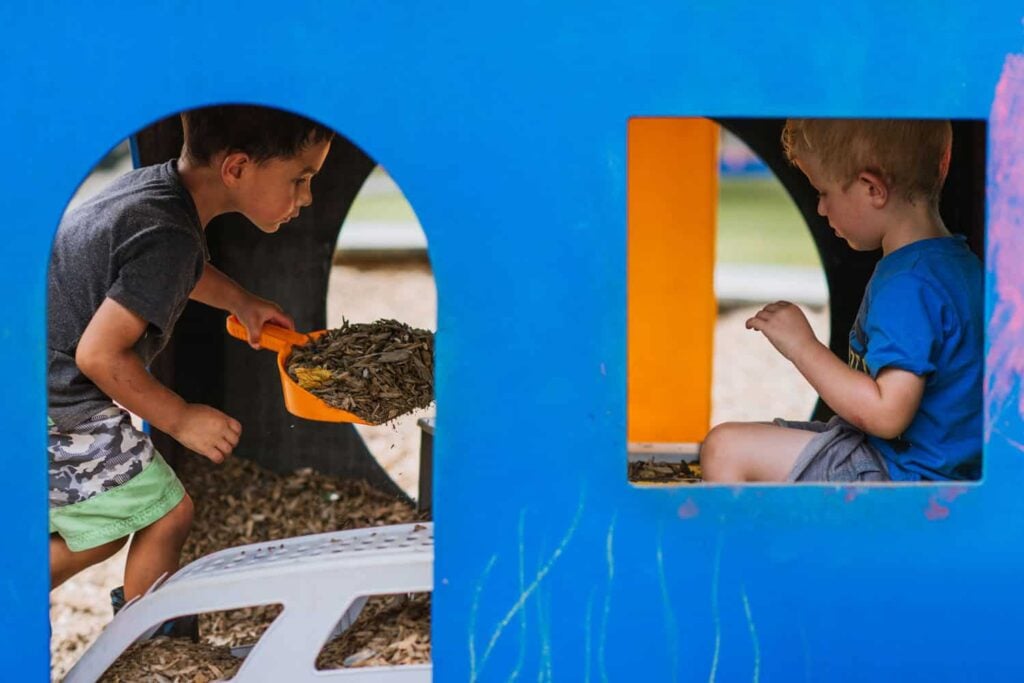
Boy busy in the preschool playground shovelling bark chips/ mulch.

Climate-Smart Pedagogies in Early Childhood Education and Development

FULL REFERENCE: Tiko, L. and Mosen. J. (2026). Advancing climate-smart pedagogies in Fiji’s early childhood education and development.  NZ International Research in Early Childhood Education Journal, 28(1), 6-19.

ABSTRACT: This commentary explores the imperative of embedding climate-smart education within Fiji’s Early Childhood Education and Development (ECED) sector, in response to the nation’s increasing vulnerability to climate change. It critically examines current ECED policies and practices, highlighting gaps in climate responsiveness and the need for locally grounded solutions. Drawing on Indigenous Fijian knowledge systems, including vanua-centered pedagogies (context-centered) and the Framework of Gifting Knowledge, the commentary advocates for a culturally relevant and climate-conscious approach to early education. It argues that empowering Fijian educators and communities to lead climate-smart ECED initiatives is essential for fostering resilience among young children. The commentary also critiques the reliance on external agencies and calls for a shift towards Fijian/Pacific-led strategies that align with Fiji’s national development goals and cultural values. By centering Indigenous epistemologies and climate justice, this paper contributes to the discourse on sustainable and equitable early childhood education in small island developing states.

Log-in to read the full paper below. Or order a pdf copy of the article from the main NZIRECE Journal page.

Key words: Climate-smart education, Indigenous epistemologies, Pacific-led resilience, climate change, child health, place-based education, nature-based, teacher education.

INTRODUCTION: Fiji, like many Pacific Island nations, faces significant climate vulnerabilities, including rising sea levels, severe weather events, and ecosystem changes that directly affect communities and children (Janif et al., 2016; IPCC, 2021). In this context, Early Childhood Education and Development (ECED) plays a vital role in building climate resilience and adaptive capacity. However, Fiji’s ECED policies and practices have yet to fully adopt climate-smart education frameworks that are both culturally grounded and locally driven (UNESCO, n.d.; Hemstock et al., 2020).

This commentary advocates reimagining ECED in Fiji by integrating climate-conscious pedagogy informed by Indigenous knowledge systems, such as vanua-centered learning and traditional ecological knowledge (Ali et al., 2025; Vunibola et al., 2024). It criticises reliance on external models and promotes a shift toward Pacific-led approaches that support Fiji’s development objectives, including the Climate Change Act 2021 and the Framework for Resilient Development in the Pacific. By emphasising Indigenous epistemologies and community engagement, climate-smart ECED can serve as a transformative tool for fostering sustainable futures in Fiji.

Read More »
children's nappy/ diaper storage at a NZ early childhood centre

Nappies – The Options and What’s Best in ECE

As professionals, teachers are often presented with situations that require them to consider what is important to the families of the children they are teaching, while ensuring that they are working in an environment where they are comfortable and where their training and experience is valued and appreciated.

In deciding how to approach the reus

This is a member/subscriber only post. To access it, please see the message below for details on access and joining.

Read More »

Share This Information

Table of Contents

Table of Contents

The Office of ECE Login

Take Action!

Help spread this vital ECE information, join our free social and email groups and become a member of OECE.

pay parity funding policy

1. Share This Information

2. Follow Our Social Pages

3. Get Regular Updates

Sign up to our free newsletters.

4. Become a Member