Staff First-Aid Course Cost Payment By MoE

Search Newsroom Posts
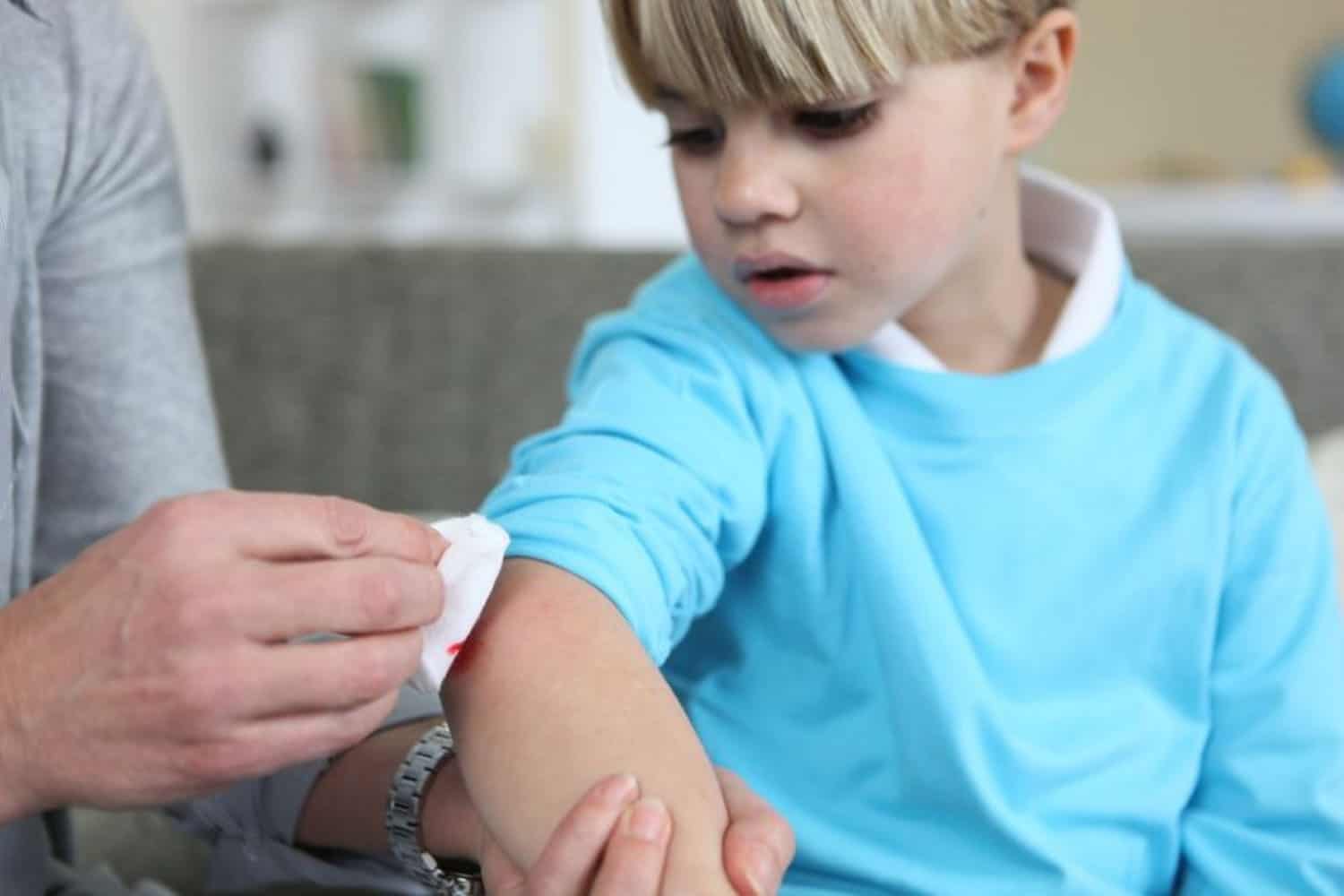
first aid for an injured or hurt child

February 24, 2021.

From 8 April 2021, centres must have one adult present that holds a current first-aid qualification (or suitable equivalent) for every 25 children attending. Currently the legal requirement is 1 first-aid trained adult for every 50 children.

The Ministry of Education will shortly give money to each centre to help to cover the first-aid course costs for extra first aid qualified adults as required by the amended criteria plus one additional adult. 

Service providers will be expected to pass this money either directly to staff or cover the first-aid course costs. This expectation has not existed previously with the Ministry of Education making no payment to service providers for staff first-aid training.

Nevertheless it is common for employers to meet the costs of first-aid training for their staff because having staff who are appropriately first-aid qualified is a licensing requirement.  Our ECE Employment Survey in 2020 of 4,021 teaching staff found that 87% had their first-aid training paid for by their employer.  

While the Ministry states that the payment it is making to service providers is a one-off payment only, it opens a door in future to service providers asking the Ministry to continue to fund the costs of first-aid training for staff.  

The Table below shows the amounts the ministry is paying according to centre licence size.

Licensed Places

Additional First Aid Qualified Staff required

MoE payment to Service Provider

1-25

0

$0

26-50

1

$330

51-75

1

$330

76-100

2

$495

101-125

2

$495

126-150

3

$660

Unit standards that meet the Ministry of Education requirements of a first-aid qualification for staff working in centres are:

  • 6401 – Provide first aid, and
  • 6402 – Provide resuscitation level 2.

The ministry recommends that staff also complete unit 6400, which teaches how to manage first aid in emergency situations.

The NZ Red Cross offers a range of course options that meet the Ministry of Education requirements.  NZ Red Course also offers special rates for group courses for 10 or more people at your centre, on a day at a time that suits you.  Find out more by going to the NZ Red Cross page
Already subscribed?
ECE Newsroom

NZ’s own specialist ECE newsroom. 
Access national and local stories, in-depth analysis, & original commentaries.  

Membership Support for Teachers & Educators

(Comes with free Newsroom and Research access)

Membership Support for ECE Service Owners, Managers, & Community Organisations

(Comes with free Newsroom and Research access)

Researchers & Tertiary Education Libraries

Full access to over 25 years of ECE academic research articles – NZIRECE Journal.
Plus, guidance and resources on doing and publishing research

Has this been useful?  Give us your feedback.

You are welcome to add a link to this page on your website. Copyright belongs to the OECE so please do not copy any content without our written permission.

Information provided is of a general nature. It is provided ‘as is’, and we accept no liability for its accuracy or completeness. See our Terms and Conditions.

Related Posts

Teacher with happy children playing outside at early childhood centre on summer day.

Dress guidelines for people working with children in ECE services (staff of all genders)

Rarely do early childhood teacher education texts contain guidance on appropriate teacher dress and physical appearance. One exception is Maria Montessori who wrote that the teacher of young children: “must be attractive, pleasing in appearance, tidy and clean, calm and dignified.  These are ideals that each can realise in her own way. The

This is a member/subscriber only post. To access it, please see the message below for details on access and joining.

Read More »
NZ money in wallet the funding, wages, and fees of early childhood education in NZ

Pay Reviews – Why, When and How

Regular annual pay reviews can help in developing and retaining a high-skilled and loyal staff.  Reviewing staff pay is also a useful exercise to ensure that each member of staff is receiving pay that is appropriate and all legal obligations continue to be met.

Contents

What are employer’s legal responsibilities and moral obligations?Whe

This is a member/subscriber only post. To access it, please see the message below for details on access and joining.

Read More »
Wages and salaries early Childhood Teachers NZ and pay parity.

Integrated Early Childhood Services for Children and Families

Integrated Early Childhood Services. Joanne M. Alderson.

Two buzz words in early childhood education today are ‘collaboration’ and ‘partnership’. They roll off the tip of the tongues of professionals in our field. But what exactly do these words mean in practice?

This article by Joanne Alderson seeks to answer this question based o

This is a member/subscriber only post. To access it, please see the message below for details on access and joining.

Read More »
two toddlers touch hands

Say Sorry – Asking a Child to Apologise

Ask a Child to Say Sorry. By Warwick Marshall

Some early childhood service teachers do not want to ask a child to say sorry. They avoid this.

But why?

And what if anything is wrong with supporting children to say ‘sorry’?

Here is some reasoning on the matter.

No doubt there’s some kind of reasoning for it but this articl

This is a member/subscriber only post. To access it, please see the message below for details on access and joining.

Read More »
The Office of ECE

Share This Information

Table of Contents

Table of Contents

The Office of ECE Login

Take Action!

Help spread this vital ECE information, join our free social and email groups and become a member of OECE.

pay parity funding policy

1. Share This Information

2. Follow Our Social Pages

3. Get Regular Updates

Sign up to our free newsletters.

4. Become a Member