Baby’s death while napping
OPINION/ANALYSIS.
30 May, 2025.
A 5-month-old baby died while napping in a cot at an Auckland early childhood education (ECE) centre.
Coroner Alexander Ho found the little boy died, on March 17, 2023, from sudden unexpected death in infancy (SUDI). (The Office of Early Childhood Education has chosen not to name the child at this stage.)
Ho said the ECE centre the little boy attended, Barnardos Ōtara Early Learning Centre, used a “safe sleep environment”, and that there was no evidence that a loose blanket that had been put over his lower body contributed to his death.
However, he recommended that the Ministry of Education consider updating guidance in its premises and facilities licensing criteria to say that ECE services should avoid using loose bedding in cots – or kaiako should place babies with their feet at the bottom of the cot – to minimise the risk of bedding moving up over the baby’s face during sleep. This is best practice.
He added that Barnardos had “responsibly” committed to updating its sleep and rest policy after the baby’s death to require its centres to follow this advice.
In his finding, published on October 27, 2023, but only today made public after it was obtained by the Office of Early Childhood Education (OECE), Ho said the pēpi’s parents dropped him off at daycare at 8.30am on the day of his death.
He had been sick the week before with a cough and a fever. On March 8, his parents took him to Middlemore Hospital, where he was diagnosed with either tonsillitis or a viral illness.
Doctors sent him home with a prescription for paracetamol and ibuprofen. According to the finding, his mother said she gave him paracetamol twice a day while he was unwell. By the next week he was fine, apart from having a “normal” runny nose and cough.
On March 17, both his mother and his teacher described him as “his normal self, smiling, bubbly and yelling at everyone”.
As was his normal routine, he ate porridge for morning tea and had a 60 millilitre bottle.
It was a cold morning, so the little boy and the rest of the children stayed inside.
Around 10.30am he had lunch: a pouch of Watties baby food that his parents had supplied. His teacher said he did not seem to be taking the food well, which was unusual for him.
After eating he had an 180ml bottle, which he drank as normal. When he finished his milk, his teacher burped him by rubbing his back, and, around 11am, put him to sleep in the sleep room with eight other children.
At Barnardos Ōtara each child had their own cot or stretcher.
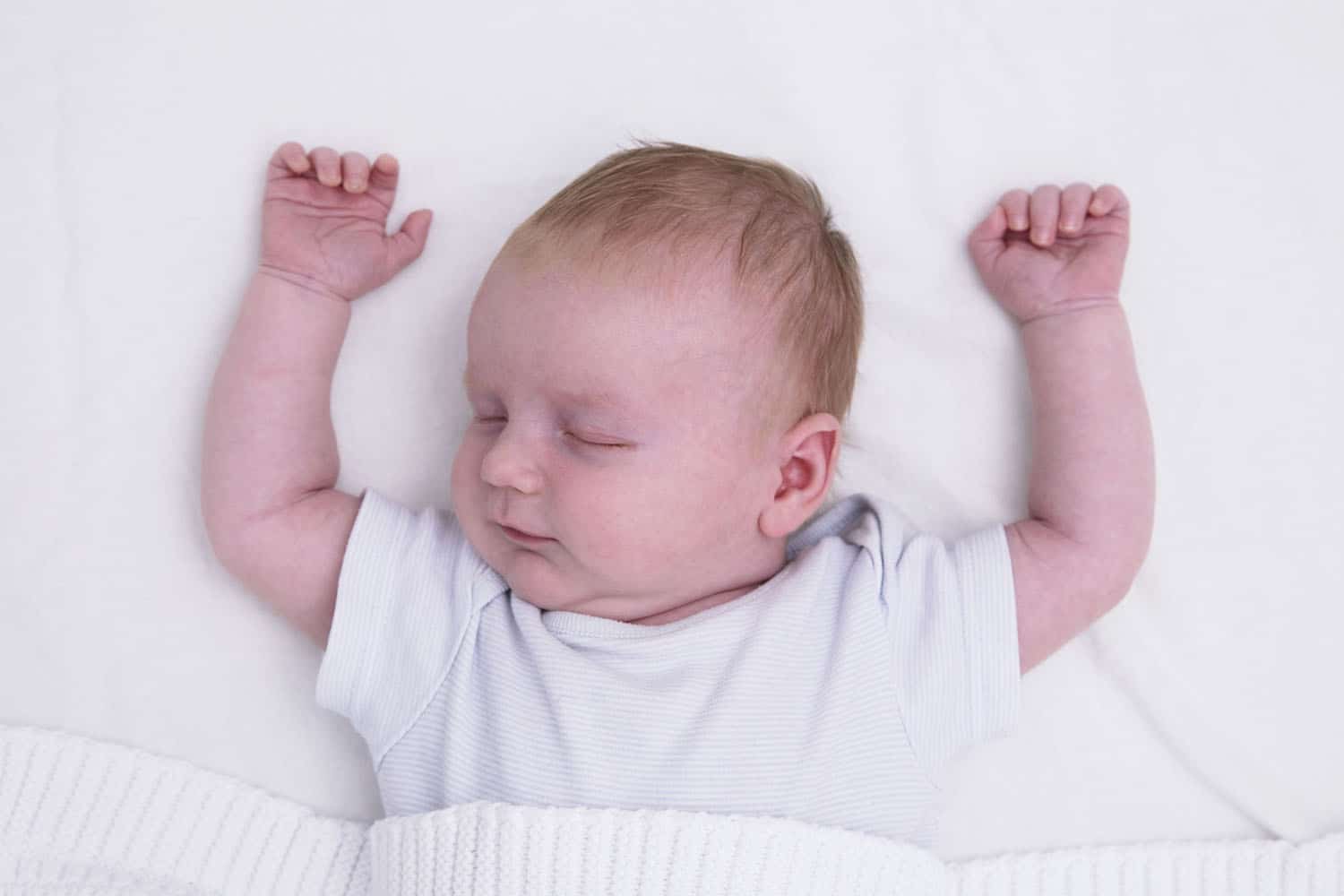
The teacher lay the baby, wearing a cotton t-shirt and nappy, down on his back in his cot. She covered his chest and legs with a loose baby-sized fleece blanket.
The teacher later told the Coroner that it was the centre’s practice not to tuck the blanket in, so the child can move around.
Barnardos at the time had no formal policy about using blankets or linens, which Ho found “surprising”. The organisation told the Coroner that its internal sleep and rest policy was based on Ministry guidance and licensing criteria.
The sleep room the baby was in had a temperature of 18C.
Records saved on a tablet show teachers checked on the wee boy at 11.10am, 11.19am, 11.29am, 11.39am, 11.40am, 11.50am and 12pm.
When they checked on him at 12.10pm they found him on his back with the blanket covering his chest and upper legs, and his feet sticking out of the end.
His face was pale, so a teacher picked him up, and as she did so, saw some vomit fall out of his mouth.
She ran to reception for help. There, as she turned him over, more vomit came out.
Staff at the centre gave him CPR, leading to more vomiting. They also heard him making gurgling sounds.
He could not be revived.
Forensic pathologist Dr Charles Glenn conducted an autopsy on the baby but could not determine the cause of his death.
While testing found evidence in the baby’s lungs that he may have had adenovirus and rhinovirus (common cold-like illnesses), in Glenn’s opinion, this did not explain his death.
He did not find any signs of skeletal trauma or natural disease.
Ho concluded the baby died from SUDI.
“Although the death occurred in a safe sleep environment, which is the predominant risk factor in SUDI deaths, there were other external risk factors present for SUDI.
“[The baby] had recently been unwell with nose and throat issues. [He] was also exposed to second- hand smoke while in utero which would have increased his risk of developing breathing difficulties or recovering from a respiratory illness.
“While these factors alone did not cause [his] death, they may have increased his vulnerability,” Ho’s finding said.
Sean Teddy, who leads operations and integration for the Ministry of Education, said Barnardos Ōtara Early Learning Centre informed the Ministry of the baby’s death immediately.
The Ministry conducted a licensing visit on April 23, 2023 and found no evidence of non-compliance with early childhood regulations.
The Ministry has no records of other cases of SUDI in ECE.
Teddy said after the release of the coroner’s report the Ministry updated its website adding a link to Ministry of Health information about SUDI.
The Ministry of Education informed the ECE sector of this update in an Early Learning Bulletin on June 20, 2024.
It had also changed the information about sleep on its own website to include the following statement: “As well as being warm, children should be safe while they sleep”. The webpage again to the Ministry of Health site.
A Barnardos spokesperson said the charity worked closely with the Ministry to ensure the Coroner’s recommendations led to “meaningful change” to guidance for the sector.
The organisation would not be commenting further out of respect for the baby’s whānau, the spokesperson said.
The tragedy is a reminder to everyone working in ECE services to use best practice when putting children to sleep. See the NZ Herald article: Baby’s death sparks call for tighter sleep regulations.