

Parenting a Gifted Child – What Parents Learn

Search in Teacher
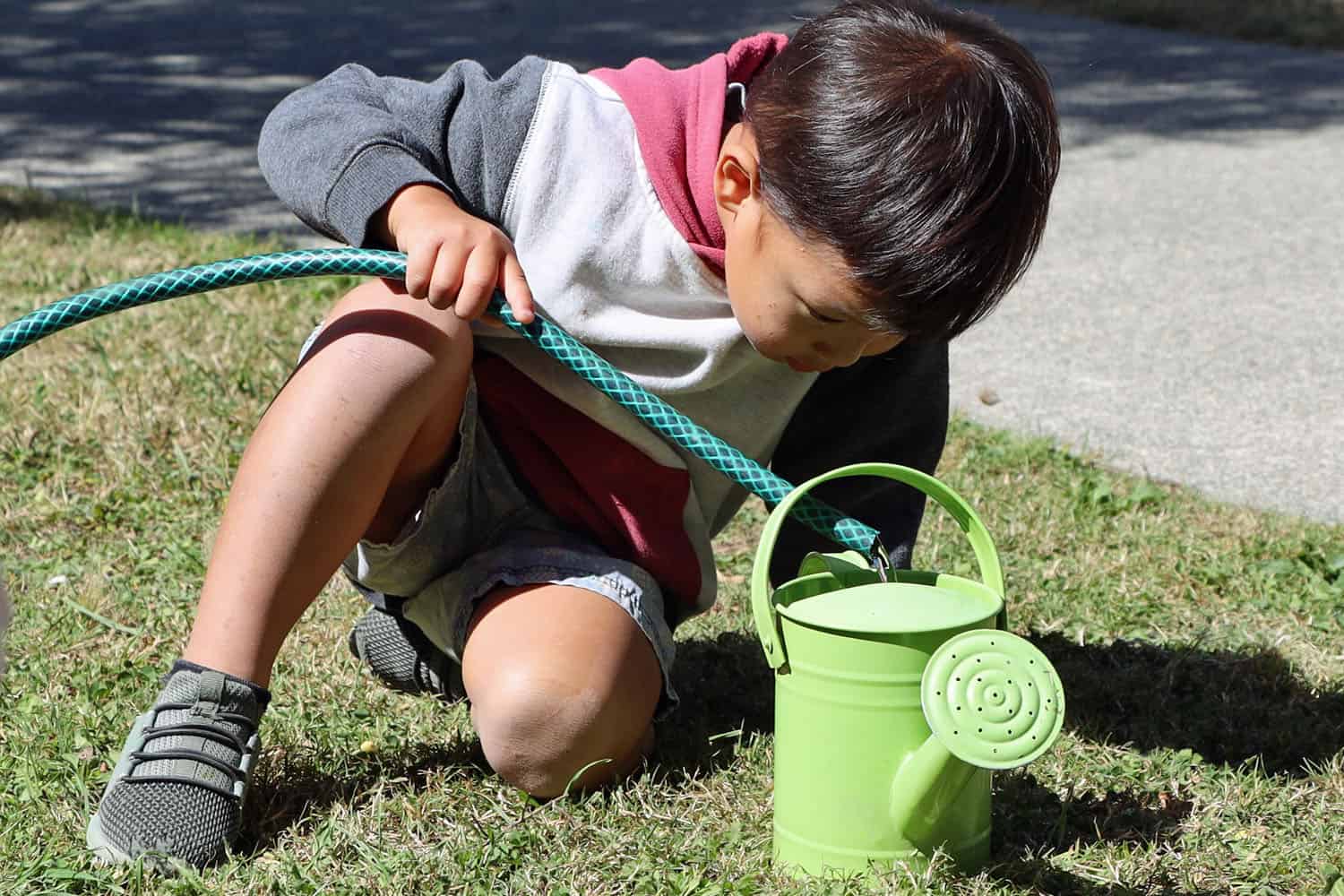
child filling watering can using hose

Parenting a Gifted Child. By Melanie Wong.

Someone asked me ‘how can you manage your life with children who don’t like to sleep?’

I replied that ‘it is alright when you are used to it’.

I wish I had thought quickly enough at the time to also tell her how much I enjoy being with my children, as they did not only come into m

This is a member/subscriber only post. To access it, please see the message below for details on access and joining.
Already a Teacher Member?

Are you teaching and caring for children or studying for an ECE qualification?

If you are, that’s great!   Join us now, and become a teacher member.

Five Reasons to Join Us
1. Professional recognition

It is prestigious to belong to the OECE – you can skite about it! 

Ask us for an OECE Member Certificate, to include in your professional portfolio as proof you are engaged in reading and professional learning that advances your understanding of the relationship between practice and outcomes for children.

2. Extra benefits

No need to pay a subscription fee for access to NZ’s specialist ECE Newsroom – your member login will let you view everything in the ECE Newsroom. 

No need to pay to access the best NZ and international research – your member login gives you free access to the Research Library and support. 

3. Professional growth and no-judgement help

Teaching resources and advice on probably everything you can think of, including what to wear as a teacher, how to ask for a pay raise, identifying child behaviour causes and responding to needs, new play activity ideas, etc., etc.  all of this is at your finger-tips 24/7 whenever you need help or advice – login to view. 

4. Representation

Did you know that the OECE meets personally and regularly with the Ministry of Education national team, and the regulations committee and other forums? 

Political leaders and journalists are able to use the OECE to gain deeper knowledge on a topic or issue, and we provide a sounding board for ideas and feedback.

The OECE promotes safe working environments for teachers.  We also promote the absolute need for full pay parity with school teachers for all certificated teaching staff working in teacher-led centres and in home-based, and whether permanently or casually employed. 

5. Value for Money

We are committed to keeping membership prices affordable and providing value for money. 

Teacher membership is just $89 for a full year, or save by joining for 2 years.

Has this been useful?  Give us your feedback.

You are welcome to add a link to this page on your website. Copyright belongs to the OECE so please do not copy any content without our written permission.

Information provided is of a general nature. It is provided ‘as is’, and we accept no liability for its accuracy or completeness. See our Terms and Conditions.

Related Posts

men in childcare

Getting Men to Apply for Your Staff Vacancy

Male job applicants.

We are advertising for a teacher and have received some quality applications so far, but no applications from males. We would love to have a male applicant or two – any ideas of how we could achieve this?Service provider

Dr Alexander replies:  

Finding male staff can be difficult because there are disproportionat

This is a member/subscriber only post. To access it, please see the message below for details on access and joining.


Read More »
Job Interview ECE Teacher.

Establishing Good Internal Financial Control and Preventing Fraud

ECE Internal Financial Control Systems.

Why internal control? 

Internal control systems are normal in business and society and will be expected of you by your staff, fellow owners, parents, board members, bankers and financiers.

They help establish a climate of good control which produces reliable financial records, good management

This is a member/subscriber only post. To access it, please see the message below for details on access and joining.

Read More »

Picky Eaters and Managing Children’s Eating Habits

Picky eaters? Some children may display anxiety and unhealthy eating habits when they begin early childhood education, others may display behaviours at different times that you are wondering if these are normal, and what to say, do and change.  

This article covers:

The adult’s role in providing for children’s food preferences and eating b

This is a member/subscriber only post. To access it, please see the message below for details on access and joining.

Read More »
alphabet charts for writing letters and words at NZ early childhood centre

Running a Transition to School Programme

The strands in the early childhood curriculum Te Whāriki  underpin the objective of providing a base for children to be able to build on their learning and become confident and competent in school. The New Zealand Curriculum explains that supporting of the transition process from early childhood requires fostering of a child’s relationships within their social environment, building and recognising all their experiences and collaborating with family and whanau.

Multiple factors affect a child’s transition from early childhood to school, and some of the main factors are:

– Whether there is a collaborative approach and effective communication between school, early childhood service and the family during the transition process;

– Early childhood and primary teachers understanding of both the early childhood and the NZ schools curricula;

– Children’s understanding of the different curriculum of the school, and the school’s social and physical environment; and

– Children’s preparedness for the academic challenges of the school curriculum.

I’ll discuss each of these factors and share examples with you.

Teachers have different approaches to managing the transition processes.

As early childhood teachers, we need to understand that each child develops differently; hence we need to adapt the pace of the transition programme accordingly.

This is a member/subscriber only post. To access it, please see the message below for details on access and joining.
Read More »
two toddlers touch hands

Say Sorry – Asking a Child to Apologise

Ask a Child to Say Sorry. By Warwick Marshall

Some early childhood service teachers do not want to ask a child to say sorry. They avoid this.

But why?

And what if anything is wrong with supporting children to say ‘sorry’?

Here is some reasoning on the matter.

No doubt there’s some kind of reasoning for it but this articl

This is a member/subscriber only post. To access it, please see the message below for details on access and joining.
Read More »

Share This Information

Table of Contents

Table of Contents

The Office of ECE Login

Take Action!

Help spread this vital ECE information, join our free social and email groups and become a member of OECE.

pay parity funding policy

1. Share This Information

2. Follow Our Social Pages

3. Get Regular Updates

Sign up to our free newsletters.

4. Become a Member