
Learning from Disabled Children – How Early Childhood Professionals Can Help

Search in Teacher
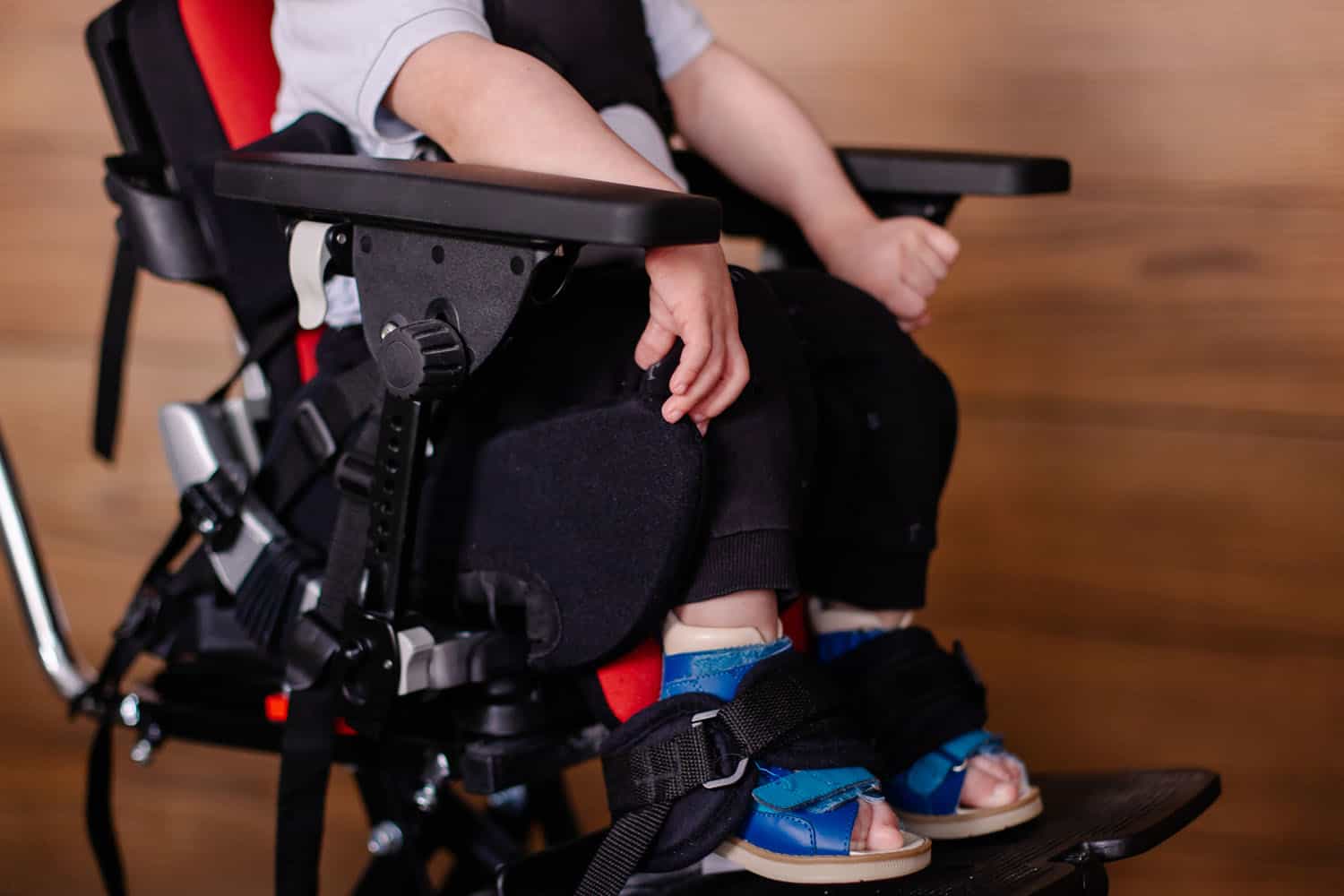
Children with disabilities in early childhood education services with wheelchair.

Learning from Disabled Children. By Tim Kahn

This article on Learning from Disabled Children is written from a UK perspective. Some terminology may not be commonplace in New Zealand but should still be apparent from the context.

Disabled, but not really so different

When our daughter, Sarah, was very young, we used to visit our friend Mi

This is a member/subscriber only post. To access it, please see the message below for details on access and joining.
Already a Teacher Member?

Are you teaching and caring for children or studying for an ECE qualification?

If you are, that’s great!   Join us now, and become a teacher member.

Five Reasons to Join Us
1. Professional recognition

It is prestigious to belong to the OECE – you can skite about it! 

Ask us for an OECE Member Certificate, to include in your professional portfolio as proof you are engaged in reading and professional learning that advances your understanding of the relationship between practice and outcomes for children.

2. Extra benefits

No need to pay a subscription fee for access to NZ’s specialist ECE Newsroom – your member login will let you view everything in the ECE Newsroom. 

No need to pay to access the best NZ and international research – your member login gives you free access to the Research Library and support. 

3. Professional growth and no-judgement help

Teaching resources and advice on probably everything you can think of, including what to wear as a teacher, how to ask for a pay raise, identifying child behaviour causes and responding to needs, new play activity ideas, etc., etc.  all of this is at your finger-tips 24/7 whenever you need help or advice – login to view. 

4. Representation

Did you know that the OECE meets personally and regularly with the Ministry of Education national team, and the regulations committee and other forums? 

Political leaders and journalists are able to use the OECE to gain deeper knowledge on a topic or issue, and we provide a sounding board for ideas and feedback.

The OECE promotes safe working environments for teachers.  We also promote the absolute need for full pay parity with school teachers for all certificated teaching staff working in teacher-led centres and in home-based, and whether permanently or casually employed. 

5. Value for Money

We are committed to keeping membership prices affordable and providing value for money. 

Teacher membership is just $89 for a full year, or save by joining for 2 years.

Has this been useful?  Give us your feedback.

You are welcome to add a link to this page on your website. Copyright belongs to the OECE so please do not copy any content without our written permission.

Information provided is of a general nature. It is provided ‘as is’, and we accept no liability for its accuracy or completeness. See our Terms and Conditions.

Related Posts

regulations licensing criteria regulation compliance and complaints

What Records to Retain and How Long

Retention of Records: Paperwork and what’s Required to be Kept by the Ministry and Various Agencies, including IRD and the Charities Commission.

Issues of safety, privacy, and storage.

Early childhood service reports and records should always be kept in a safe place and not in someone else’s home, car, or workplace. In case of fire it

This is a member/subscriber only post. To access it, please see the message below for details on access and joining.

Read More »
Pay parity for early childhood teachers and Minister Seymour's view

David Seymour responds to our concerns about pay parity myth and its influence on decisions not to support ECE teacher pay parity

Associate education minister David Seymour has responded to concerns from the Office of Early Childhood Education about claims circulating in the sector that the pay parity scheme is causing more education and care centres to close.

In August, we fact checked claims by some ECE business lobbyists that the initiative was “directly contributing to the decline in service numbers”. We analysed data on openings and closures of services from 2022 to 2024 and found no evidence this was happening.

We also looked at what else was happening at the time such as the Covid pandemic (vaccination requirements for most businesses weren’t removed until 4/4/2022). We noted the rise in qualified teachers – in 2021, 65.5% of staff at these services were qualified teachers, compared to 67% in 2024. In 2025 more than 90% of eligible centres have opted-in to some form of pay parity.

Despite this, in a Cabinet paper from April, the Ministry of Education wrote to Seymour that “Sector representatives such as the Early Childhood Council have indicated that pay parity arrangements are creating funding shortfalls for centres, increasing rates of closure”.

Worried about how this myth was being perpetuated, the OECE wrote to Seymour and the Ministry to let them know about our findings.

This is a member/subscriber only post. To access it, please see the message below for details on access and joining.

Read More »

Share This Information

Table of Contents

Table of Contents

The Office of ECE Login

Take Action!

Help spread this vital ECE information, join our free social and email groups and become a member of OECE.

pay parity funding policy

1. Share This Information

2. Follow Our Social Pages

3. Get Regular Updates

Sign up to our free newsletters.

4. Become a Member