
Collection of Children Policy
Here is a policy and set of procedures for the Collection of Children that you may use and adapt for your early childhood service. Services

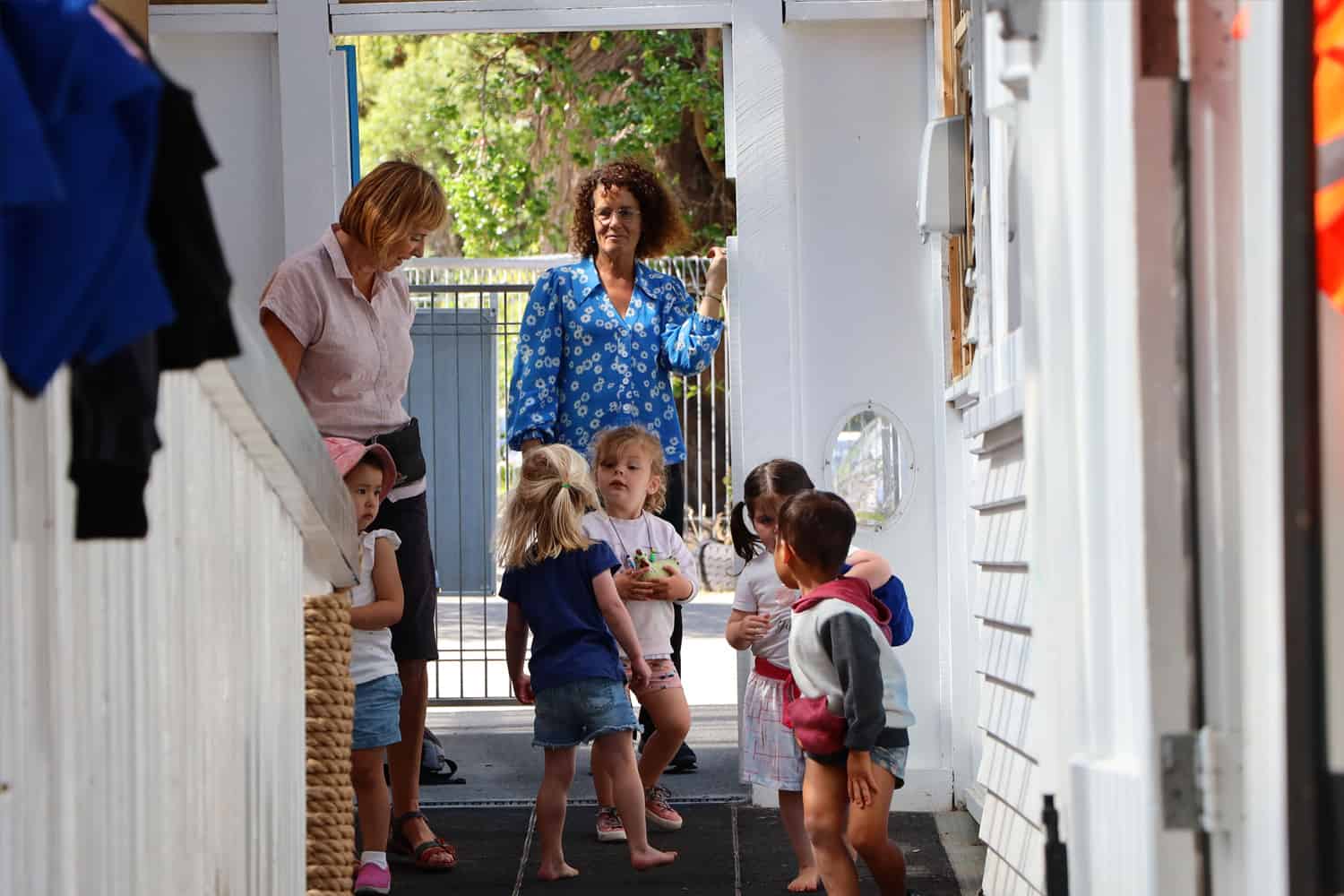
Here is a policy and set of procedures for the Collection of Children that you may use and adapt for your early childhood service. Services

Here are the findings on the quality of ECE for children from the perspective of teachers from the 2020 ECE Quality and Employment Survey. The


The countdown to the 2026 election is on, and early childhood education is back in the spotlight.
Some parties have already shown their hand, others are still to come, and policies will continue to shift as the campaign unfolds.
This guide keeps you in the loop and updated regularly so you can compare party positions instantly and follow how their promises evolve.
It’s your fast, reliable way to stay informed on what each party plans for ECE.
This analysis draws on deep knowledge of empirical research on quality ECE and on evidence about what best supports positive outcomes for children in teacher‑led early childhood settings. It also reflects the experience and insights contributed by OECE members and our Early Childhood Advisory Committee.
1. Context and Purpose of This Response
The Ministry of Education is developing policy options to implement two Ministry for Regulation recommendations relating to staffing:
– “Allow greater flexibility in workforce qualifications…” rather than developing a strategy to attract and retain ECE‑qualified teachers in services struggling to recruit or keep staff, or addressing service reluctance to employ qualified teachers due to cost pressures, profit margins, regulatory settings, or other operational decisions.
– “Ensure the person responsible requirements are practical…” rather than ensuring these requirements reflect best practice for child safety, education, and care, and rather than reversing what was intended to be a temporary measure introduced during a staffing shortage that allowed primary‑trained teachers to act as a Person Responsible.
In September 2025, the Office of Early Childhood Education (OECE) provided the Ministry with a paper offering advice and analysis on these recommendations. It is available here: Reducing Teacher Qualification Requirements
This paper offers further comment and guidance in light of the policy options currently under development, to address the Ministry for Regulation’s recommendations on increasing qualification flexibility and ensuring the Person Responsible requirements reflect what is workable for service providers.
2. Why ECE Qualifications Matter
3. Risks the Ministry Must Put Before Ministers and Cabinet
4. Policy Options That Better Support Children and the Workforce
5. Our Recommendations for Amendments to Regulation 44
New rules coming into force on 29 June 2026 will make licence downgrades in early childhood education harder to apply.
The change is driven by a claim that the Ministry of Education relies too heavily on provisional and suspended licences to address non-compliance.
That claim formed the basis of the advice presented to, and accepted by, Cabinet, which was told that the current system penalises services too readily, even for minor breaches.
Yet a decade of data collected by the Office of Early Childhood Education shows no evidence that provisional licences have been used lightly or without clear justification. If anything, the opposite concern sometimes arises.
Recent serious child health and safety incidents in which the Ministry took no licensing action raise a legitimate question: has the regulatory response, at times, been too lenient rather than overly punitive.
To understand the basis for the Ministry for Regulation’s claim of over reliance on provisional licensing, we asked it to provide the evidence underpinning its conclusion.
Parents negotiating fees can put pressure on your pricing policies.
Learn how to hold the line on fairness and why a carefully chosen discounted spot can sometimes be smarter than leaving a space empty