Children with Disabilities Struggle to Access ECE Support

Search Newsroom Posts
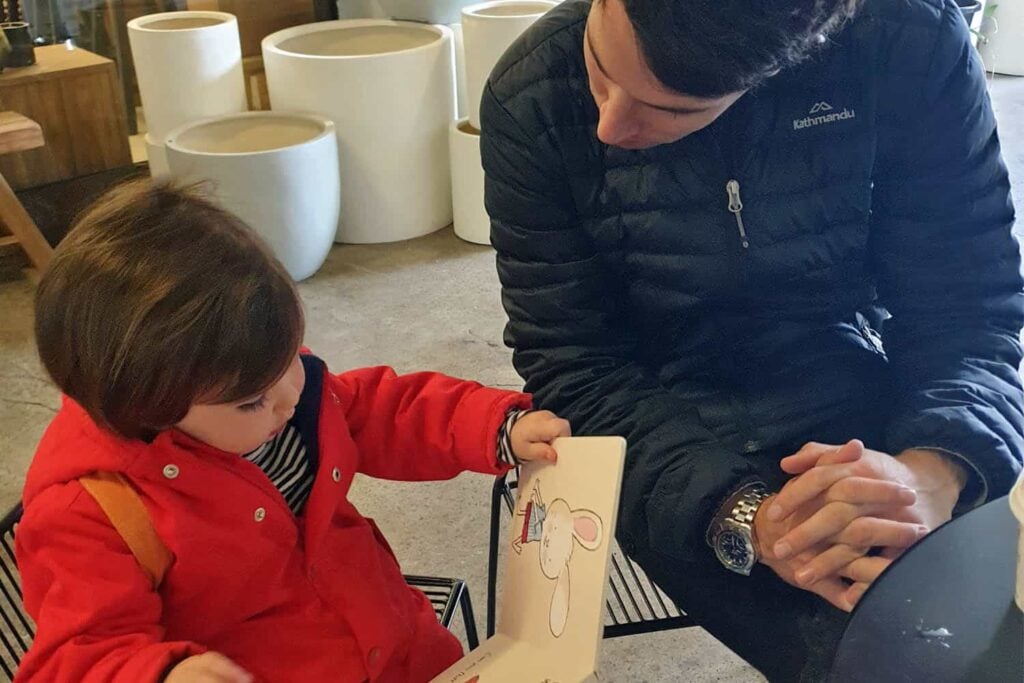
Children with disabilities in early childhood education services with wheelchair.

December 19, 2012.

Children with disabilities and their parents can still struggle to access early childhood education and the support they need according to a new survey.

The survey was conducted by the Parent and Family Resource Centre along with its research partners and explored the experience of Auckland families with children with special needs.

Just over 120 families responded to the survey, of which 70 percent had a child aged seven or under with a disability.  Four percent had two children with a disability and the remainder  were either grandparents, professionals or had one child aged over-7 with a disability.

The children had a range of disabilities including hearing problems, learning difficulties and long-term health issues. The majority of children were currently attending an ECE service or had previously attended ECE with private ECE services and kindergartens the most popular choices.

When asked about the enrolment process, most parents said they were satisfied with the process, however some expressed concern that staff did not know much abut their child’s condition. The researchers acknowledged that it might be “unreasonable” for staff to know about the child’s needs at the enrolment stage, but noted that it did unsettle some parents.

Several of the parents surveyed said they stayed with their child at the ECE service. Reasons for this included being asked to remain with their child at the service although other parents did not have to, wishing to see what the child does at ECE, for the parents peace of mind, and because the ECE service could not adequately meet the child’s needs.

When asked what they liked about the ECE service they chose for their child, many parents highlighted caring and welcoming staff. The location of the service and recommendations from other professionals were also mentioned.

Potential improvements which were highlighted included better training for staff, especially more junior staff members, and more funding. The four key areas where improvements could be made were funding, timely access to Ministry of Education support, expertise of staff and inclusive practice.

While the survey sample was limited to Auckland, the researchers said it showed there were still problems for families trying to access ECE for children with disabilities. The report calls for further research to more fully investigate the experiences of these families.

Already subscribed?
ECE Newsroom

NZ’s own specialist ECE newsroom. 
Access national and local stories, in-depth analysis, & original commentaries.  

Membership Support for Teachers & Educators

(Comes with free Newsroom and Research access)

Membership Support for ECE Service Owners, Managers, & Community Organisations

(Comes with free Newsroom and Research access)

Researchers & Tertiary Education Libraries

Full access to over 25 years of ECE academic research articles – NZIRECE Journal.
Plus, guidance and resources on doing and publishing research

Has this been useful?  Give us your feedback.

You are welcome to add a link to this page on your website. Copyright belongs to the OECE so please do not copy any content without our written permission.

Information provided is of a general nature. It is provided ‘as is’, and we accept no liability for its accuracy or completeness. See our Terms and Conditions.

Related Posts

teacher wages, pay scales, in childcare and early childhood education

What ECE Teachers and Workers Earn: Pay, Benefits and Conditions

Anyone thinking about getting a job in ECE working in ECE or thinking about moving to a different service will find clear, practical information in this article about pay rates, employment conditions, and what to expect in different roles. It explains everything from starting salaries and pay‑step calculations to workplace rights, benefits, and how to recognise a supportive, professional environment.

Read More »
Job Interview ECE Teacher.

Volunteers and Unpaid Workers in ECE – Your Rights

Voluntary work in ECE.

There are many examples in the early childhood sector of different ways employers may rely on free labour, such as:

I was offered an unpaid position and it was a foot in the door as there were no jobs going in my area. I’ve been at ____ for four months and I do the same work as other teachers.

My centre manager t

This is a member/subscriber only post. To access it, please see the message below for details on access and joining.

Read More »
The Office of ECE

Share This Information

Table of Contents

Table of Contents

The Office of ECE Login

Take Action!

Help spread this vital ECE information, join our free social and email groups and become a member of OECE.

pay parity funding policy

1. Share This Information

2. Follow Our Social Pages

3. Get Regular Updates

Sign up to our free newsletters.

4. Become a Member