Speaking Up in ECE: How to Raise Issues in Your Workplace or Community, Influence Change, and Advocate

Search in Teacher
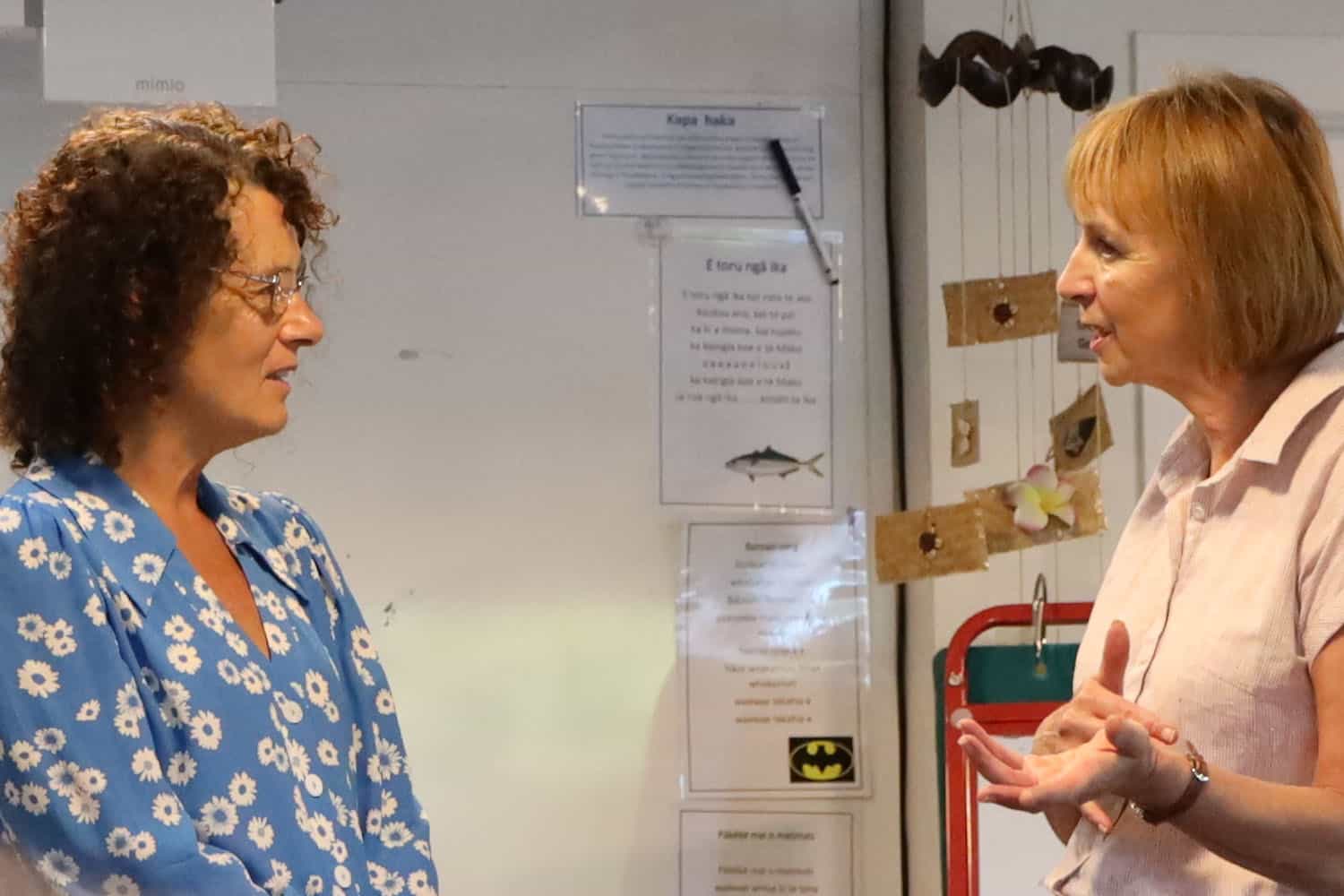
Adults talking about early childhood education and childcare.

If something in your workplace or in the wider ECE sector isn’t sitting right with you, you’re not alone – and you’re not powerless.

We speak up to protect children, strengthen the profession, and create healthier, safer workplaces.

But raising concerns can feel overwhelming, scary, and hard.

Think of one thing you’d really like to change. This article helps you work out the best way to communicate it – whether that’s addressing an issue with your employer, raising a sector‑wide concern, or advocating for children’s rights.

Log in with your member details to read the full guidance. If your membership has lapsed or you’d like to join, get in touch with us or go to the Join page on our website.

You’ll learn about common stumbling blocks, ways to build your confidence, and take the next step without feeling out of your depth.

This is a member/subscriber only post. To access it, please see the message below for details on access and joining.
Already a Teacher Member?

Are you teaching and caring for children or studying for an ECE qualification?

If you are, that’s great!   Join us now, and become a teacher member.

Five Reasons to Join Us
1. Professional recognition

It is prestigious to belong to the OECE – you can skite about it! 

Ask us for an OECE Member Certificate, to include in your professional portfolio as proof you are engaged in reading and professional learning that advances your understanding of the relationship between practice and outcomes for children.

2. Extra benefits

No need to pay a subscription fee for access to NZ’s specialist ECE Newsroom – your member login will let you view everything in the ECE Newsroom. 

No need to pay to access the best NZ and international research – your member login gives you free access to the Research Library and support. 

3. Professional growth and no-judgement help

Teaching resources and advice on probably everything you can think of, including what to wear as a teacher, how to ask for a pay raise, identifying child behaviour causes and responding to needs, new play activity ideas, etc., etc.  all of this is at your finger-tips 24/7 whenever you need help or advice – login to view. 

4. Representation

Did you know that the OECE meets personally and regularly with the Ministry of Education national team, and the regulations committee and other forums? 

Political leaders and journalists are able to use the OECE to gain deeper knowledge on a topic or issue, and we provide a sounding board for ideas and feedback.

The OECE promotes safe working environments for teachers.  We also promote the absolute need for full pay parity with school teachers for all certificated teaching staff working in teacher-led centres and in home-based, and whether permanently or casually employed. 

5. Value for Money

We are committed to keeping membership prices affordable and providing value for money. 

Teacher membership is just $89 for a full year, or save by joining for 2 years.

Has this been useful?  Give us your feedback.

You are welcome to add a link to this page on your website. Copyright belongs to the OECE so please do not copy any content without our written permission.

Information provided is of a general nature. It is provided ‘as is’, and we accept no liability for its accuracy or completeness. See our Terms and Conditions.

Related Posts

teacher exploitation stress sad bullied work related injuries

Working for Home-based ECE can be Crap

I am an a home-based educator. I work under contract with no income protection and no protection under labour laws.

I have worked for the agency for 7 years. I’ve worked seven days a week every Xmas and Easter and all other stat holidays.

Read More »
early childhood research journal online

Omissions and Presuppositions in Kei Tua o te Pae: A Critical Discourse Analysis

This research note describes some of the findings from an analysis of three introductory booklets of “Kei Tua o te Pae”, an early childhood assessment practice resource produced by the New Zealand Ministry of Education.

Analysis involved taking a critical discourse perspective to identify ways in which text was likely to persuade readers to

This is a member/subscriber only post. To access it, please see the message below for details on access and joining.

Read More »
Teacher Professionals Early Childhood Education

Staff Discipline and Competence Policy

DISCIPLINE AND COMPETENCE POLICY.  

A template to use for your discipline and competence policy.

Date Effective: __/__/20__

Review Date: __/__/202_

Rationale

<Service Name> is committed to providing children, staff and whānau with an environment which is safe and welcoming and promotes positive outcomes for all childr

This is a member/subscriber only post. To access it, please see the message below for details on access and joining.

Read More »

Share This Information

Table of Contents

Table of Contents

The Office of ECE Login

Take Action!

Help spread this vital ECE information, join our free social and email groups and become a member of OECE.

pay parity funding policy

1. Share This Information

2. Follow Our Social Pages

3. Get Regular Updates

Sign up to our free newsletters.

4. Become a Member