Overseas Teacher Finder’s Fee – The money given and and who is getting it

Search Newsroom Posts
suitcases travel leaving arriving

The Overseas Teacher Finders Fee – The money given and who is getting it

Last updated 13 December 2024.

Key Facts

The overseas finders fee (OFF) is a gift payment made to centre owners of $3,450 per overseas teacher employed. The OFF is ‘a gift’ as it is free money from the government, funded by the taxpayer.

No proof of expenditure to

This is a member/subscriber only post. To access it, please see the message below for details on access and joining.
Already subscribed?
ECE Newsroom

NZ’s own specialist ECE newsroom. 
Access national and local stories, in-depth analysis, & original commentaries.  

Membership Support for Teachers & Educators

(Comes with free Newsroom and Research access)

Membership Support for ECE Service Owners, Managers, & Community Organisations

(Comes with free Newsroom and Research access)

Researchers & Tertiary Education Libraries

Full access to over 25 years of ECE academic research articles – NZIRECE Journal.
Plus, guidance and resources on doing and publishing research

Has this been useful?  Give us your feedback.

You are welcome to add a link to this page on your website. Copyright belongs to the OECE so please do not copy any content without our written permission.

Information provided is of a general nature. It is provided ‘as is’, and we accept no liability for its accuracy or completeness. See our Terms and Conditions.

Related Posts

teacher wages, pay scales, in childcare and early childhood education

What ECE Teachers and Workers Earn: Pay, Benefits and Conditions

Anyone thinking about getting a job in ECE working in ECE or thinking about moving to a different service will find clear, practical information in this article about pay rates, employment conditions, and what to expect in different roles. It explains everything from starting salaries and pay‑step calculations to workplace rights, benefits, and how to recognise a supportive, professional environment.

Read More »
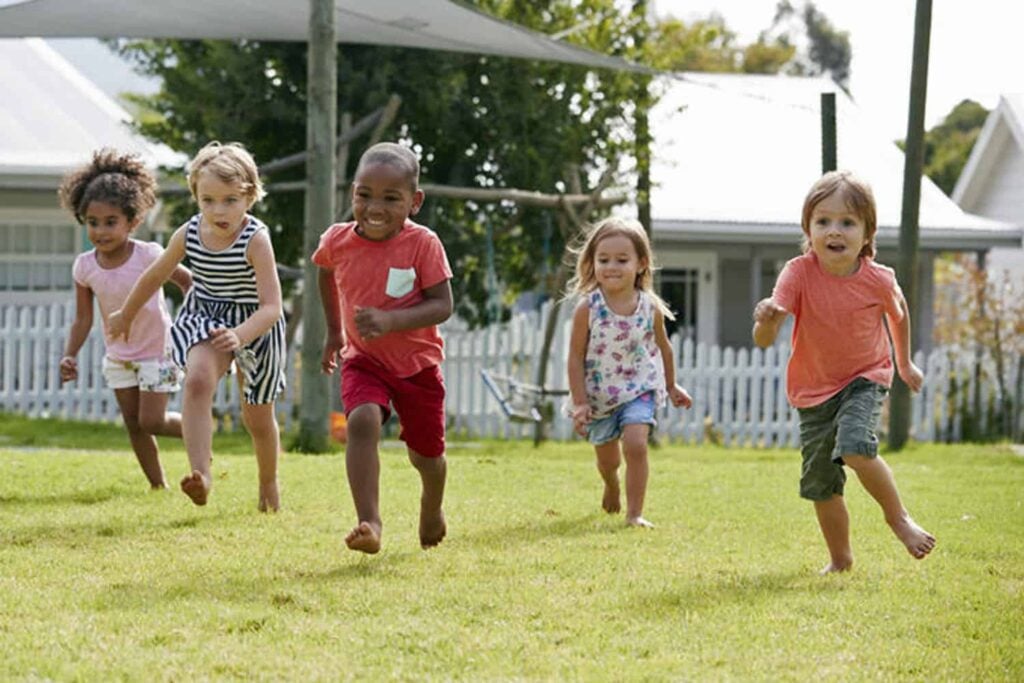
running, rugby, soccer and football games with young children

Advocating Anti-bias Practices in Early Childhood Education

Full reference: Harper-Hooper, W.  (2025). Advocating anti-bias practices in early childhood education.  NZ International Research in Early Childhood Education Journal, 27, pp. 43-55.

Login to read the full research paper below. Or order a pdf copy of the article from the main NZIRECE Journal page.

ABSTRACT:
This article examines the integration of anti-bias education, multicultural pedagogy, and Social Learning Theory within early childhood education, with a focus on fostering inclusive, equitable, and socially just learning environments. Grounded in the view that bias is socially constructed and learned, anti-bias education offers a critical framework for supporting children’s identity development, empathy, and engagement with diversity from the early years. Informed by Bandura’s Social Learning Theory, the paper explores how young children internalise inclusive values through observation, modelling, and guided interaction. Play-based learning is identified as a developmentally appropriate and culturally responsive approach for embedding these values within everyday practice. Through intentional role-play, storytelling, and collaborative exploration, children are supported to examine difference, challenge stereotypes, and develop inclusive ways of thinking and relating. The paper outlines practical strategies, including inclusive curriculum design, culturally sustaining resources, family and community engagement, and educator reflection, that contribute to equitable learning experiences. It also presents assessment approaches that capture children’s understanding of diversity and inclusion through observation, artefacts, and caregiver input. In the Aotearoa New Zealand context and globally, where increasing diversity and persistent inequities shape the early childhood education landscape, this article underscores the educator’s role as a reflective, relational, and intentional agent of change. It concludes by advocating for ongoing professional learning and collaboration to advance transformative early childhood education practices rooted in equity, belonging, and social justice.

Key words: Anti-bias education, pedagogy, play-based learning, multicultural education, social learning theory.

This is a member/subscriber only post. To access it, please see the message below for details on access and joining.


Read More »
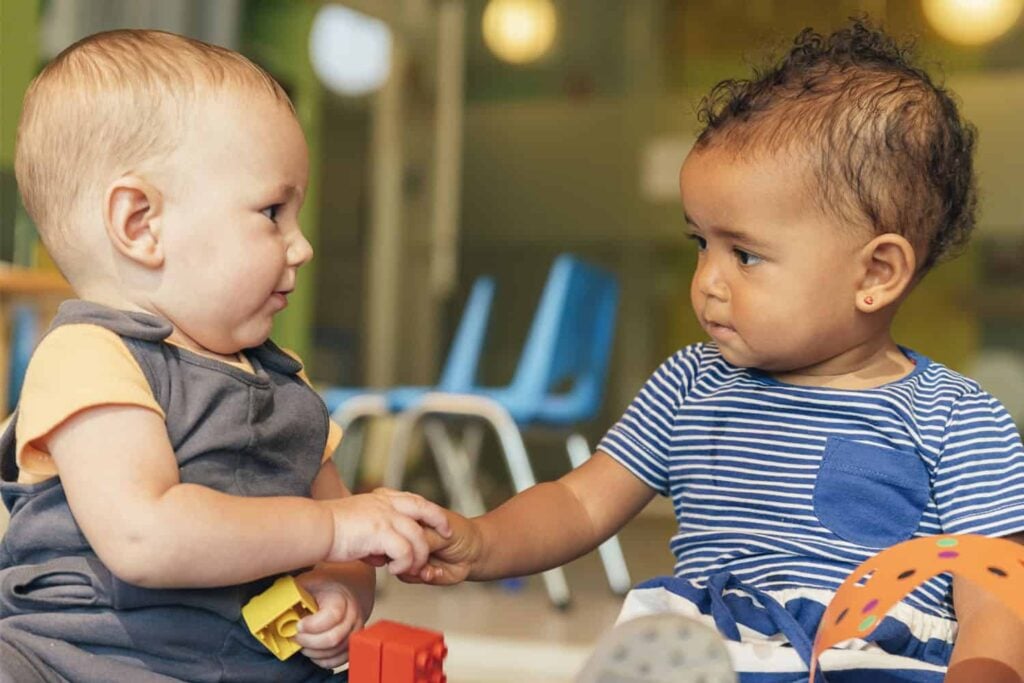
two toddlers touch hands

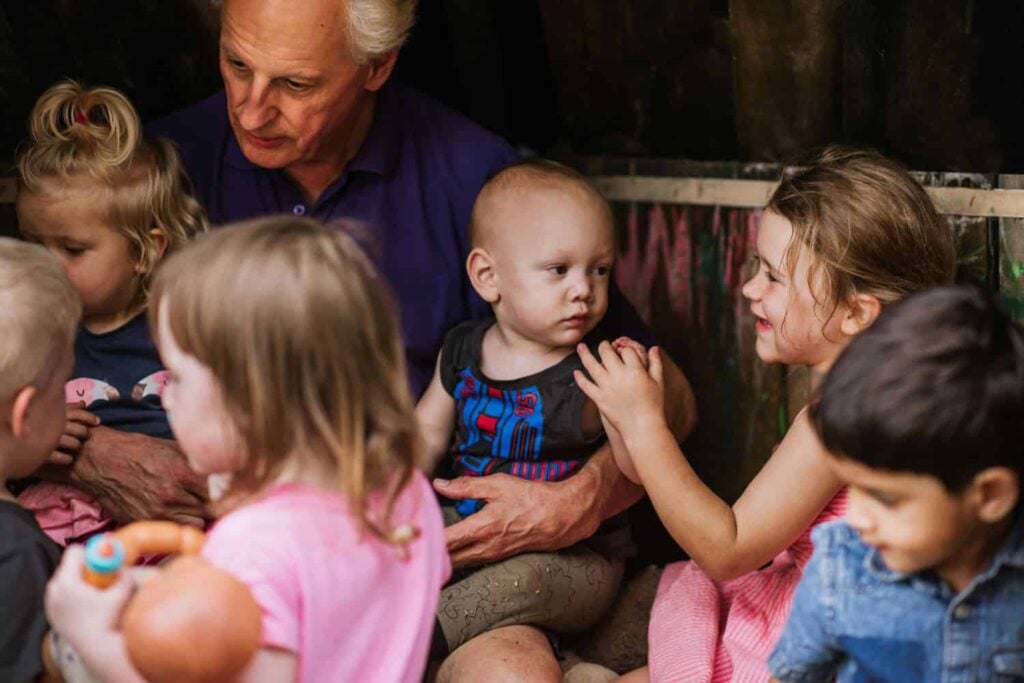
Say Sorry – Asking a Child to Apologise

Ask a Child to Say Sorry. By Warwick Marshall

Some early childhood service teachers do not want to ask a child to say sorry. They avoid this.

But why?

And what if anything is wrong with supporting children to say ‘sorry’?

Here is some reasoning on the matter.

No doubt there’s some kind of reasoning for it but this articl

This is a member/subscriber only post. To access it, please see the message below for details on access and joining.
Read More »
The Office of ECE

Share This Information

Table of Contents

Table of Contents

The Office of ECE Login

Take Action!

Help spread this vital ECE information, join our free social and email groups and become a member of OECE.

pay parity funding policy

1. Share This Information

2. Follow Our Social Pages

3. Get Regular Updates

Sign up to our free newsletters.

4. Become a Member