Opens in a new tab

The Descriptive Quality of Kindergarten, Kōhanga Reo, Childcare, and Playcentre

Search in Research
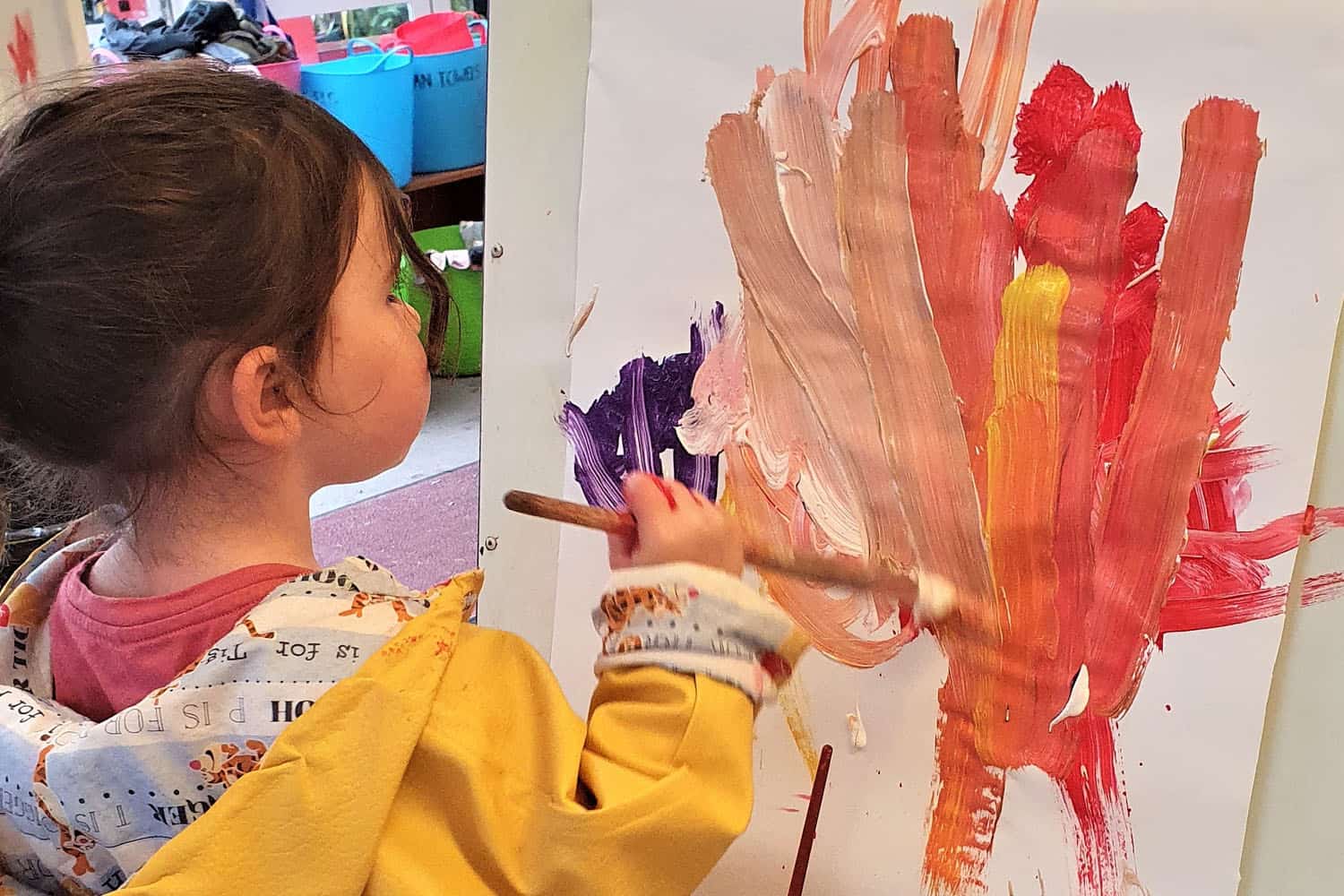
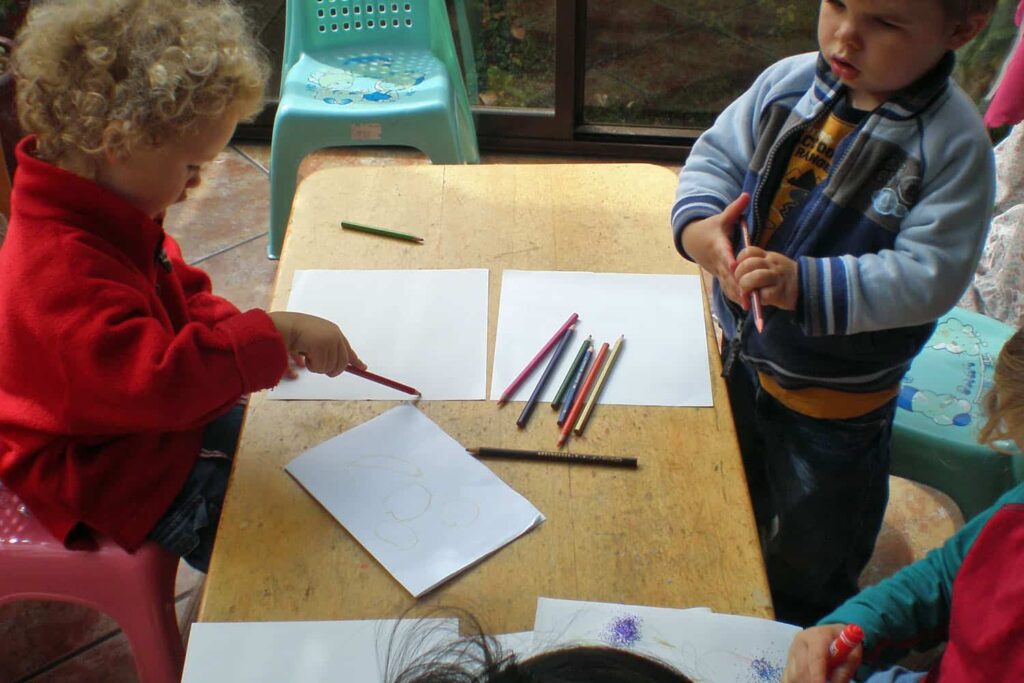
child with paint brush paints brightly coloured picture at kindergarten


Dr Sarah Alexander.
Paper presented at the 13th Biennial Meetings of the International Society for the Study of Behavioural Development, 28 June – 2 July 1994, Amsterdam

Developmental psychologists researching childcare have focussed on evaluating how well early childhood programmes perform according to child development goals and specific measures such as adult-child ratio.

This paper presents a study on early childhood programme quality with an alternative focus. A values-based approach was taken.

In the study the individual and collective ‘heartbeats’ (i.e. philosophies, policies and practices) of eleven early childhood programmes – kindergartens, playcentres, kōhanga reo, and childcare centres – were examined. The primary purpose was to look at the actual essence of centre quality, what made the centres special and distinctive.

As Aristotle (Ethics 1.6) explains, there are two kinds of ‘good’, the first being things which are good in themselves and the second being things which are good as a means of achieving the first kind of good. This paper is about the first kind of ‘good’ early education and care. Much literature already exists on the second kind of ‘good’ early education and care.

Each of the four early childhood groups provided ‘quality’ in distinctive ways. These ways were influenced by past practices and traditions, the purpose of their service and the needs of the parents served, the style of centre management, and the extent of public support and funding.

Te Kōhanga Reo people saw their service as culturally unique and based on a philosophy of early language and cultural teaching for children within an extended family environment.

Kindergarten, childcare and playcentre people saw their services as differing in quality for philosophical reasons such as views on staff training and teacher-parent relationships.

A general finding – and this will be of interest to readers who view quality as a set of universal measurable criteria and not as existing in the eye of the beholder – was that the research-based indicators believed in policy to be the best measures of quality (e.g. staff training and adult-child ratio) were not of paramount importance in practice for quality at every type of centre.
Already a Research Subscriber?
Login
Reasons to Subscribe
Subscribe Now

Article copyright belongs to the OECE / ChildForum. You are welcome to add a link to this research article on your website.

Related Posts

Experiencing joy as an early childhood teacher or educator

Why 100% ECE Qualified Teachers Matters for Children’s Learning Outcomes

Research comparing centres with full ECE‑qualified staffing to those with lower qualification levels shows that children benefit significantly when every teacher is trained in early…
children writing drawing homebased

The Production of ‘Worthwhile’ Knowledge about Quality in Early Years Education

Confusion over what “quality” means in early childhood education has grown as new stakeholder and postmodern perspectives have emerged. This paper breaks quality into three…
staff late for work parents time clock

Quality Assurance or Compliance? What the Purple People‑Eater Taught Us

These two papers explore the rise and reality of early childhood centre charters - promoted as the key to improving quality, but often experienced as…
Baby dribbles on caregiver shoulder while having a cuddle.

Public-Professional Barriers to Breastfeeding

Drawing on lived experience within the ECE sector, this reflection reveals how public‑professional attitudes can undermine breastfeeding despite clear developmental and equity benefits. It’s a…
home visit visiting teacher

Parents as First Teachers (PAFT) – Reports

Parents as First Teachers delivered measurable benefits for families, and these reports document those impacts through survey data and parent/provider perspectives. They offer important lessons…
Adult-child interactions at early childhood centre. Shows parent involvement.

Constructions of Quality in NZ Early Childhood Centres

This ground‑breaking New Zealand study examines how different early childhood settings construct “quality” from a values‑based perspective. By comparing the unique meanings held across kindergartens,…
supporting mums to breastfeed in NZ early childhood centres

Breastfeeding Support and Practices in NZ Childcare: Studies and Policy Insights

Breastfeeding support in ECE has far‑reaching implications for child health, women’s workforce participation, and equity outcomes. These studies offer evidence‑rich insights and practical guidance that…
Infant holds large ball at early childhood centre

ECE Participation and Child Outcomes: A Critical Review of the Evidence

This review cuts through political spin to reveal what the strongest evidence actually shows about the effects of ECE. Learn the real benefits and risks…
the importance of touch as part of caregiving and teaching children

Touch in Early Childhood Education: Do No‑Touch Policies Belong?

The article explores how no‑touch policies in ECE emerged and why they continue to shape teacher behaviour, raising important questions about what kinds of touch…
Teacher caring for babies in early childhood centre

Infants and Toddlers in Non‑Parental Education and Care: Insights from the Children’s Commissioner Inquiry

The report offers evidence‑based recommendations to strengthen ECE for infants and toddlers, covering funding settings, flexible provision, child health, ratios and group-size, qualified and skilled…

Are you teaching and caring for children or studying for an ECE qualification?

If you are, that’s great!   Join us now, and become a teacher member.

The Office of ECE

Share This Information

Notice for Students and Library Users
You are able to access all Journal Research articles under the library's subscription. But unless you hold a personal membership you are missing out on a whole lot of valuable teaching and policy articles and other important information. At home, or on your mobile device that is not linked to your institution or library's internet or subscription - click on the JOIN button below.
Join
Press Enter to see every result.

The Office of ECE Login

Take Action!

Help spread this vital ECE information, join our free social and email groups and become a member of OECE.

pay parity funding policy

1. Share This Information

2. Follow Our Social Pages

3. Get Regular Updates

Sign up to our free newsletters.

4. Become a Member

Membership Options