

Waiting Times For Children to Get Into Early Childhood Education Fall Across All Service Types

Search Newsroom Posts
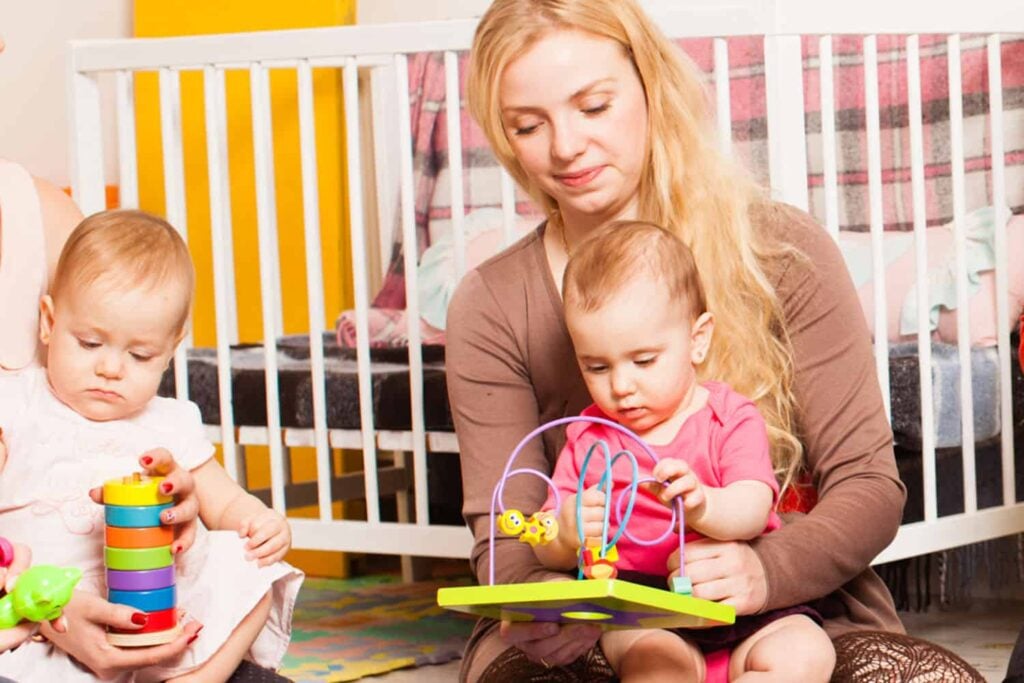
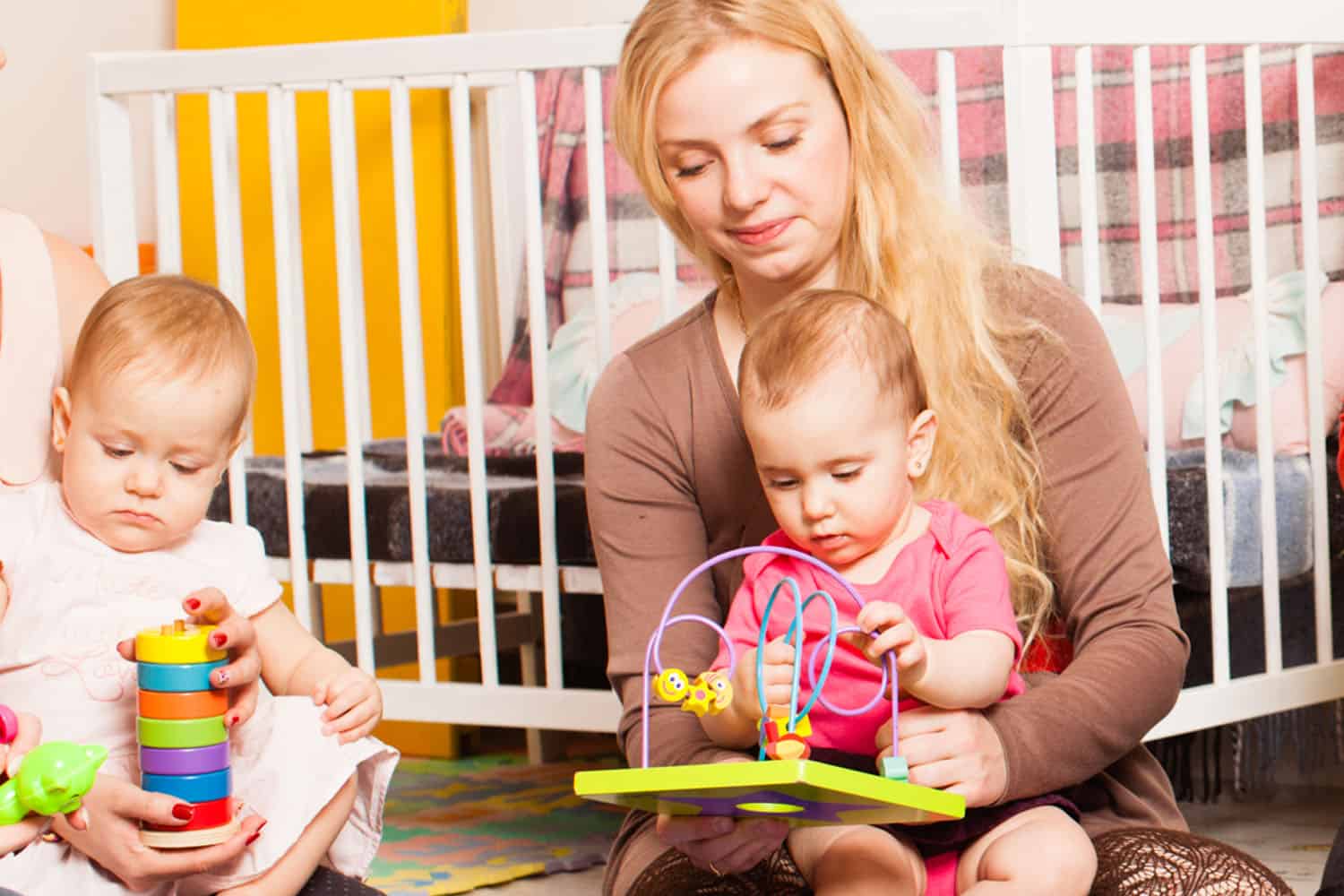
parents toddlers with toys cots in background

Waiting times for early childhood education have dropped across the country, with new figures showing families are generally getting faster access to services than they were two years ago.

Login with your ECE Newsroom or OECE Member password to read the full article.
If your subscription has lapsed – or you’d like to join – you can reactivate or sign up for full ECE Newsroom access.

OECE chief advisor Dr Sarah Alexander says that although the figures point to easier access, the shift is more likely to reflect a drop in demand than an increase in supply.

This is a member/subscriber only post. To access it, please see the message below for details on access and joining.
Already subscribed?
ECE Newsroom

NZ’s own specialist ECE newsroom. 
Access national and local stories, in-depth analysis, & original commentaries.  

Membership Support for Teachers & Educators

(Comes with free Newsroom and Research access)

Membership Support for ECE Service Owners, Managers, & Community Organisations

(Comes with free Newsroom and Research access)

Researchers & Tertiary Education Libraries

Full access to over 25 years of ECE academic research articles – NZIRECE Journal.
Plus, guidance and resources on doing and publishing research

Has this been useful?  Give us your feedback.

You are welcome to add a link to this page on your website. Copyright belongs to the OECE so please do not copy any content without our written permission.

Information provided is of a general nature. It is provided ‘as is’, and we accept no liability for its accuracy or completeness. See our Terms and Conditions.

Related Posts

teacher wages, pay scales, in childcare and early childhood education

What ECE Teachers and Workers Earn: Pay, Benefits and Conditions

Anyone thinking about getting a job in ECE working in ECE or thinking about moving to a different service will find clear, practical information in this article about pay rates, employment conditions, and what to expect in different roles. It explains everything from starting salaries and pay‑step calculations to workplace rights, benefits, and how to recognise a supportive, professional environment.

Read More »
nappy cloth baby

Men Should Change Nappies

Men Change Nappies – Men Who Change Nappies, Change the World. By Bryan G. Nelson.

Changing the nappies of other people’s children is something that few people, men or women, usually rush to do. And nappy changing is commonly viewed as a woman’s task anyway so we shouldn’t worry if men do it or not. Or should we? 

I remember wor

This is a member/subscriber only post. To access it, please see the message below for details on access and joining.

Read More »
early childhood research journal online

Changing Roles and Responsibilities: The Development of Coaching in Early Intervention

This paper examines if coaching has a potential role in helping authentic collaborative partnerships between early intervention teachers and early childhood educators and families.
Coaching is a process that can empower. It can also help ECE teachers to examine their own perceptions about the knowledge they hold.

FULL REFERENCE: Mataiti, H., van Bysterveldt, A. & Miller, J. (2016). Changing roles and responsibilities: The development of coaching in early intervention education settings, in Aotearoa New Zealand. NZ Research in ECE Journal, Special Issue: Equality and Diversity, 19, 15 – 31.

Log-in to read the full research paper below. Or order a pdf copy of the article from the main NZIRECE Journal page.

ABSTRACT: Facilitative coaching aims to empower coach-ees by eliciting their inbuilt capacities as individuals and building upon these to achieve self-chosen goals. The practice is increasingly preferred in early intervention (EI) education settings, due to its strong alignment with family-centred approaches. The practice of coaching involves a shift in the roles and responsibilities of those working with children with EI needs. Specifically, coaching is a way of moving away from an expert, directive approach, toward one that facilitates and empowers adults working with the child day to day in natural environments. This has significant potential to break down historical imbalances of power between specialist practitioners, and families and educators, thus supporting key policy directions in Aotearoa New Zealand NZ. This paper utilises the elements of rules, community and division of labour (roles and responsibilities) from the conceptual framework of Activity Theory to provide an overview of the development of and potential for coaching in EI in Aotearoa New Zealand (NZ), focusing on the practice of the specialist teaching practitioner, the Early Intervention teacher (EIT).

KEY WORDS: Coaching; early intervention; activity theory; roles and responsibilities.

INTRODUCTION

Over the past decade, in an effort to provide services that are family-centred, culturally responsive and ecologically sound, early interventionists in early childhood education (ECE) have moved away from instructional models of teaching and providing direct therapy for children (Alliston, 2007; Ministry of Education – Te Tāhuhu o te Mātauranga (MoE), 2011a). Changes in governmental policy in Aotearoa New Zealand (NZ) have also resulted in a significant shift toward ways of working with families/whānau (families) that are facilitative, capacity-building and solution-focused. These are regarded as most helpful for aspirations of empowerment and self-determination of families to be realised (NZ Taskforce on Whānau Centred Initiatives, 2010). One practice that appears to align with these directions is coaching, a relational process applied in a range of settings over the last thirty years, which takes place between two people in order to achieve pre-determined outcomes (Green & Spence, 2014).

This is a member/subscriber only post. To access it, please see the message below for details on access and joining.

Read More »
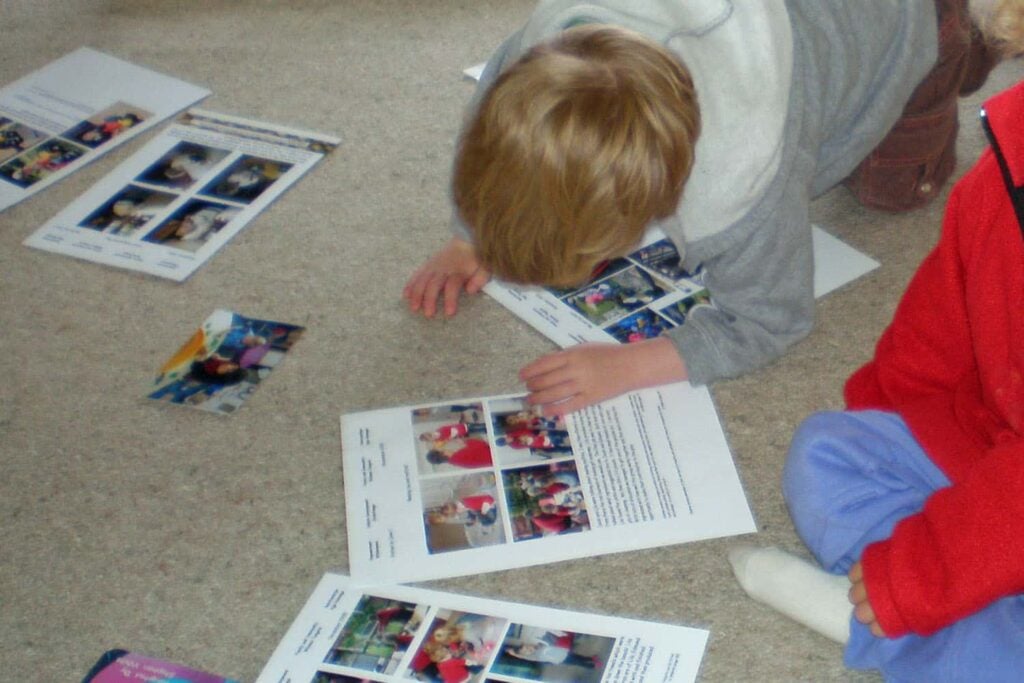
learning stories children looking at their photos

The Learning Story Narrative Approach to Child Assessment

Narrative Approach to Child Assessment.

While our country’s youngest children are not assessed with end of year tests or other formal assessments, the Ministry of Education does require early childhood education (ECE) services to be ”informed by assessment, planning and evaluation (documented and undocumented) that demonstrates an understandi

This is a member/subscriber only post. To access it, please see the message below for details on access and joining.

Read More »
The Office of ECE

Share This Information

Table of Contents

Table of Contents

The Office of ECE Login

Take Action!

Help spread this vital ECE information, join our free social and email groups and become a member of OECE.

pay parity funding policy

1. Share This Information

2. Follow Our Social Pages

3. Get Regular Updates

Sign up to our free newsletters.

4. Become a Member