
China-NZ Relations in Early Childhood Education

Search Newsroom Posts
Right of entry and visitors to an early childhood centre

February 21, 2019.

Prime Minister Jacinda Ardern is playing down any suggestions New Zealand’s diplomatic relationship with China is on the rocks. The number of school enrolments by Chinese students has plunged by an estimated 20 to 30 per cent, with record numbers of last-minute cancellations.

But in early childhood education China-NZ relations are nothing but friendly.
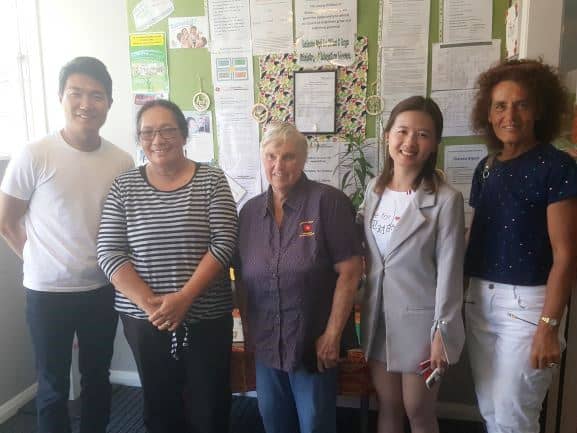
from left to right Victor Wei, Malo Taeao, Theresa Signal, Smile Wei, and Dr Sarah Alexander at Stokes Valley Community Centre

Early childhood services in Lower and Upper Hutt welcomed visitors keen to see first hand how we do early childhood education the kiwi way.

Nicola Rumens (Beststart Taita), Caroline Bowald (Gracefield Early Childhood Centre), Lisa Gibson (Elizabeth Ave Childcare Centre), Theresa Signal, Malo Taeao, Ankui Gui (Stokes Valley Community Centre) and colleagues were happy to answer questions and explain different practices – from organisational matters such as ratios and fees to teaching matters such as supporting children’s interests and supporting  transitions.

The diversity of centres, especially on things such as building age and layout was noted. It was not always immediately obvious where centres were and that in NZ centres don’t tend to stand out with huge street and building signage. Centres can be inside school grounds, situated down quiet roads and in busy main streets.

In China nothing is thought of kindergartens having as many as 500 children. Our services seemed small and more casual with children having quite a lot of independence to be in different areas when they wanted to be. For example, a child was observed sitting on the floor in a hallway independently accessing their bag from the lockers and not with the other children and teachers.

They wondered why New Zealand early childhood centres do not all have cameras inside and outside watching to make sure people were kept safe. 

The quantity of recording and policy work that teachers/ managers did/ had to do was a surprise and that so much time in addition to teaching was spent on this in NZ early childhood centres.

They were also impressed with our Te Whāriki curriculum and they wanted to know more about it.

in China, NZ’s approach to recording children’s learning as ‘learning stories’ has become popular and they want to know how the learning story is used to to assess and evaluate the child’s developments and when do teachers intervene or not to support the child. 

The visit follows Dr Sarah Alexander’s invitation to China at the end of last year, and her presentations as the CEO of ChildForum, on NZ early education to the China Early Childhood Education Conference with more than 15,000 attendees.
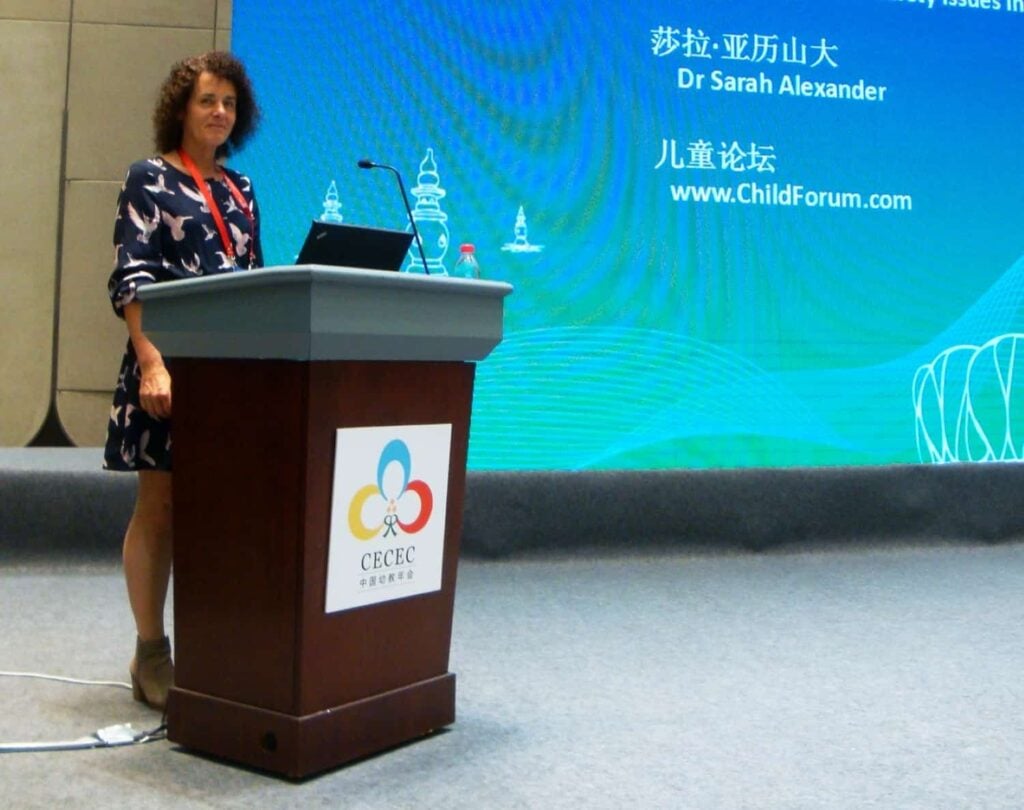
Dr Sarah Alexander presenting on NZ early childhood education at a Conference in China.

Dr Sarah says she found interest in NZ ECE among Chinese ECE administrators and educator to be very high.

“They are enthusiastic about embracing new ideas and hold NZ ECE in high regard.”

Interesting facts about China’s young population:

  • The number of 0-6 year old children in China is over 1 billion.
  • There are nurseries and daycare centres for younger children. The number of kindergartens alone is 240,000.
  • A big funding boost by the Chinese state government and local government has helped support the preschool education sector.
  • In 2017, the Law for Promotion of Privately-run Education Institutions was amended to encourage the development of privately-run kindergartens or preschools.
  • With the abolition of the one-child policy, China’s birth rate is rising to a new height.
  • By 2022, 76% of China’s urban population will be considered middle class, and this proportion was only 4% in 2000.
Already subscribed?
ECE Newsroom

NZ’s own specialist ECE newsroom. 
Access national and local stories, in-depth analysis, & original commentaries.  

Membership Support for Teachers & Educators

(Comes with free Newsroom and Research access)

Membership Support for ECE Service Owners, Managers, & Community Organisations

(Comes with free Newsroom and Research access)

Researchers & Tertiary Education Libraries

Full access to over 25 years of ECE academic research articles – NZIRECE Journal.
Plus, guidance and resources on doing and publishing research

Has this been useful?  Give us your feedback.

You are welcome to add a link to this page on your website. Copyright belongs to the OECE so please do not copy any content without our written permission.

Information provided is of a general nature. It is provided ‘as is’, and we accept no liability for its accuracy or completeness. See our Terms and Conditions.

Related Posts

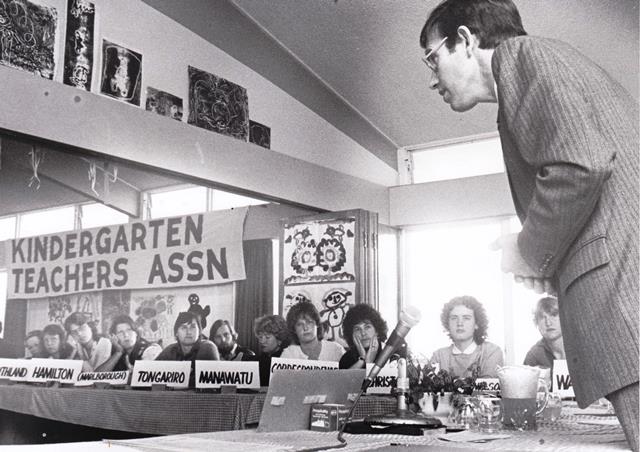
Union KTA Conference Wanganui 1982

Timeline of Significant Events and Political Turning Points

Timeline of Early Childhood Education Events and Political Changes from the 1980s to Today  

1982 –The first Kohanga Reo opened and Kohanga Reo were funded via local Maori management groups and Vote: Maori Affairs.

Pre-1986 –Childcare services were within the social welfare sector. Playcentres and Kindergartens as part-day services tha

This is a member/subscriber only post. To access it, please see the message below for details on access and joining.

Read More »
running, rugby, soccer and football games with young children

Commonwealth Games – July 23 to Aug 2, 2026

Involving children in the Games is a perfect fit with the Te Whariki curriculum – focusing on wellbeing (physical and mental health), belonging, contribution (including good sportsmanship), communication, and exploration.

Children become inspired in seeing their heroes and following the achievements and stories of their own country’s represent

This is a member/subscriber only post. To access it, please see the message below for details on access and joining.

Read More »
children's toilet bathroom door

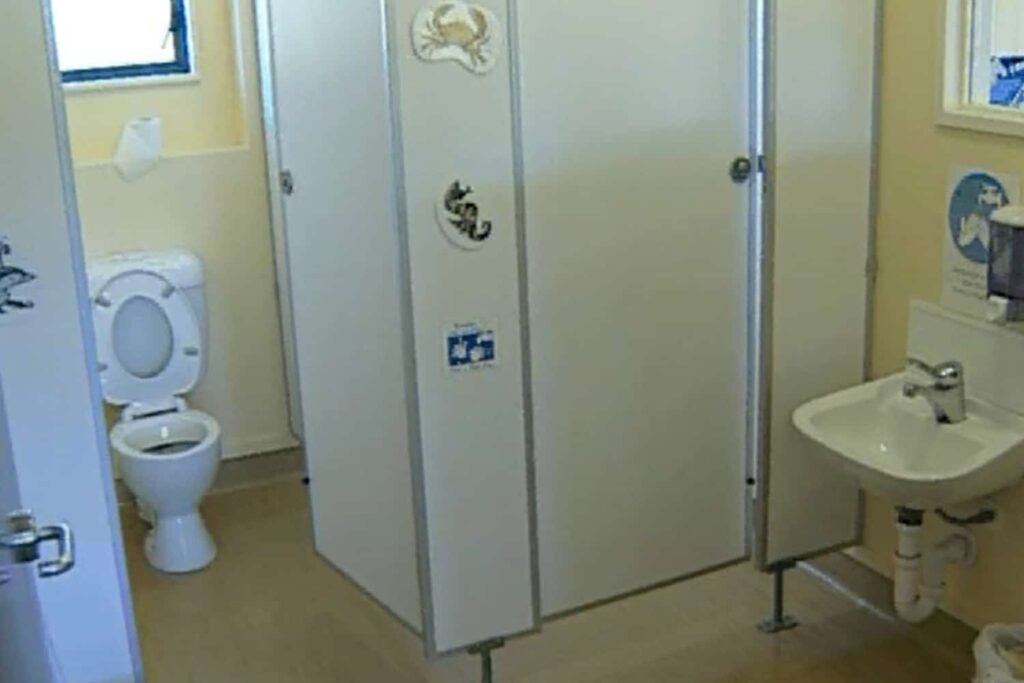
Children’s Toilets and Bathroom

Toilets are a basic thing to most of us, a place where we go to undertake an everyday task, a place that should be pleasant but possibly do not give too much thought to.

However, one thing everyone generally does like when using the toilet is privacy.

In early childhood settings, balancing privacy with the need to be able to help young children with toileting and the concept of supervision can be difficult.

Research
It could be assumed that pre-schoolers do not really mind what the layout of the toilets is, what they look like, and whether their toilets have doors or not. But research suggests children do mind.

This is a member/subscriber only post. To access it, please see the message below for details on access and joining.

Read More »
The Office of ECE

Share This Information

Table of Contents

Table of Contents

The Office of ECE Login

Take Action!

Help spread this vital ECE information, join our free social and email groups and become a member of OECE.

pay parity funding policy

1. Share This Information

2. Follow Our Social Pages

3. Get Regular Updates

Sign up to our free newsletters.

4. Become a Member