
Avoidable Harm to Children: Lessons from the Christchurch ECE Chemical Burns Slide Incident
Dr Sarah Alexander says that weaknesses in New Zealand’s early childhood education oversight and regulation are exposing children to avoidable harm.
SARAH’S VIEW – OPINION COLUMN
Friday 12 December 2025
Getting a call that your baby or young child has been seriously injured or worse, has died, is something no parent should ever expect from a licensed early childhood service. Yet it happens.
On Friday afternoon, 5 December 2025, at a Christchurch centre licensed for 88 children, a corrosive substance was poured down a playground slide. Several children suffered chemical burns, prompting a major emergency response. By Monday, the centre had reopened as usual.
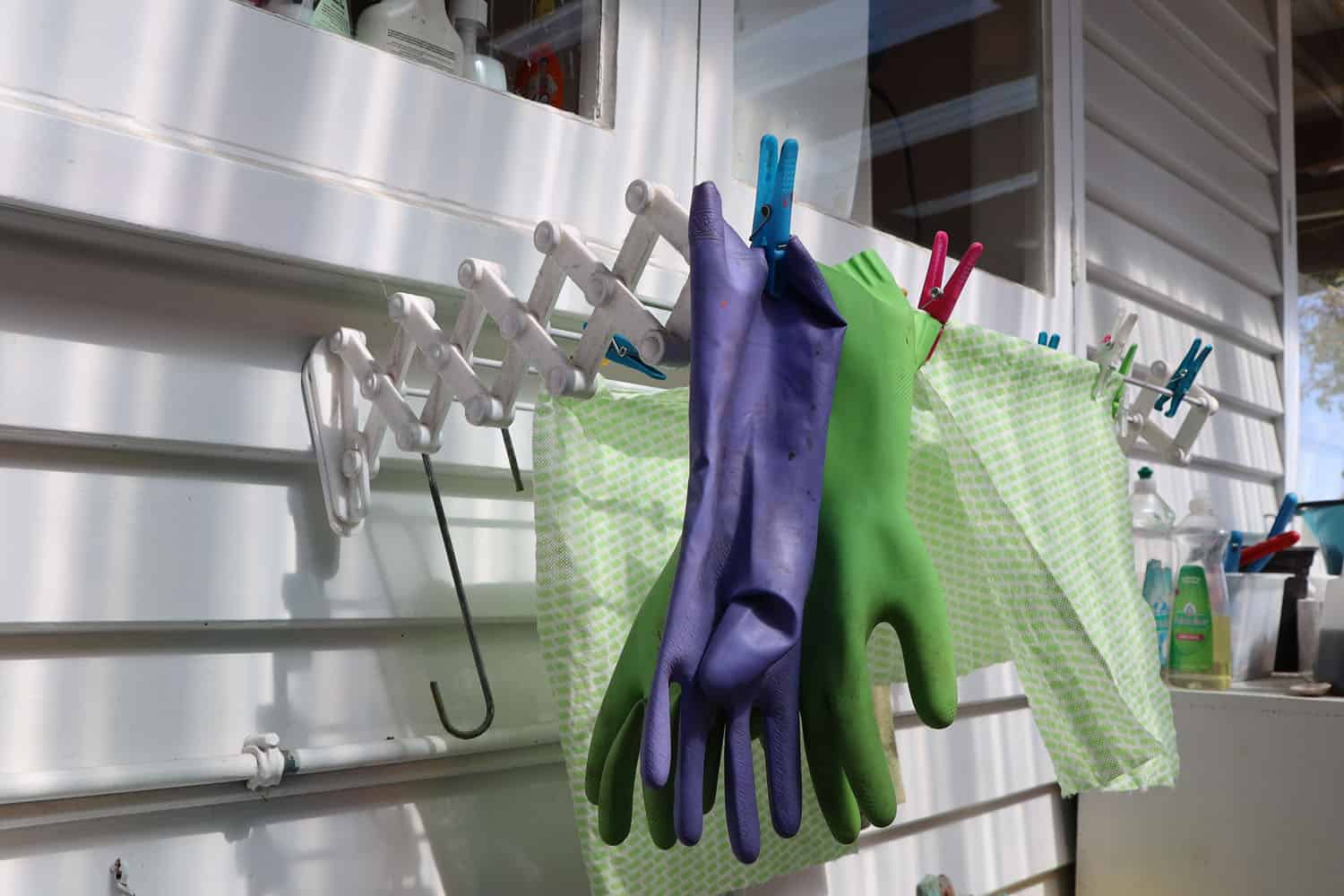
Credit is due to the service operator for informing parents and accepting responsibility. Mistakes can happen – many of us have, at some point, reached for the wrong product when cleaning or fixing something. Whether teachers should have access to cleaning products and commercial cleaning equipment that they have not been trained to use, is a separate issue for the sector to debate.
But this is not simply a story of human error. It exposes systemic weaknesses in New Zealand’s early childhood education (ECE) system that put children at risk.
This incident illustrates what can happen when weak rules and limited monitoring collide with everyday risks.
The government has shown little willingness to confront this reality. And that unwillingness matters, because the same patterns will repeat: children harmed and families devastated.
At the end of 2023 the Ministry of Education found the centre in breach of premises and facilities rules and downgraded its licence to provisional for about two months while issues were fixed. The Ministry of Education is the regulator for ECE, responsible for ensuring compliance with regulations and licensing criteria and has the power to issue a written direction to a service to improve, change its licence, or withdraw its licence. The centre self‑reported; had it not, the ministry would not have known, because it does not carry out regular inspections of ECE services.
Worse, the ECE reforms overseen by Minister David Seymour appear driven by service providers seeking fewer rules, lower penalties, and greater autonomy to run taxpayer‑funded services on their own terms – not by evidence about what actually keeps children safe or ensures quality care and education.
One of the most concerning problems is that parents are sidelined in decisions about their children’s care and education. The ministry’s refusal to include the ECE Parents’ Council on its early childhood advisory committee illustrates this disregard.
It is time for policymakers to learn from past failures, make the changes needed to protect children, and begin building a safe, high‑quality ECE system.
The changes which need to be made include:
- Learn from serious incidents, then use those lessons to strengthen regulations and improve practice.
- Regular, unannounced inspections of services.
- Smaller group sizes so teachers are not stretched across large numbers of children or forced to make safety decisions on the run.
- Ensuring all services have stable, well‑trained teams of ECE‑qualified teachers, supervised by managers who meet Teaching Council standards for professional capability.
On all these counts, the system is failing children and families and eroding public confidence in ECE.
From investigating several serious incidents in ECE services, I have found that lessons are seldom sought and even less often applied. Most incidents do not reach the media and often remain invisible to the sector. While outright cover‑ups may be denied, the effect is the same: the truth is hidden, lessons go unlearned, and risks continue.
We must stop treating incidents as isolated mistakes that can be brushed aside over time, or dismissed as soon as services resume “business as usual.” Safety must be recognised as a structural, non‑negotiable responsibility.
Until that happens, every drop‑off at an ECE service remains a gamble and parents cannot be certain their child will return home unharmed.
The most fundamental practice change to be made is that every day the service provider and all adults responsible need to assume that something could go wrong. Don’t take a ‘she’ll be right’ attitude.
READ MORE: A tree fell at a Centre and Worksafe and MoE Heard it.