Separated Parents – Policy on Who Child Can Leave With and Disclosure of Information about a Child

Search in Service Provider
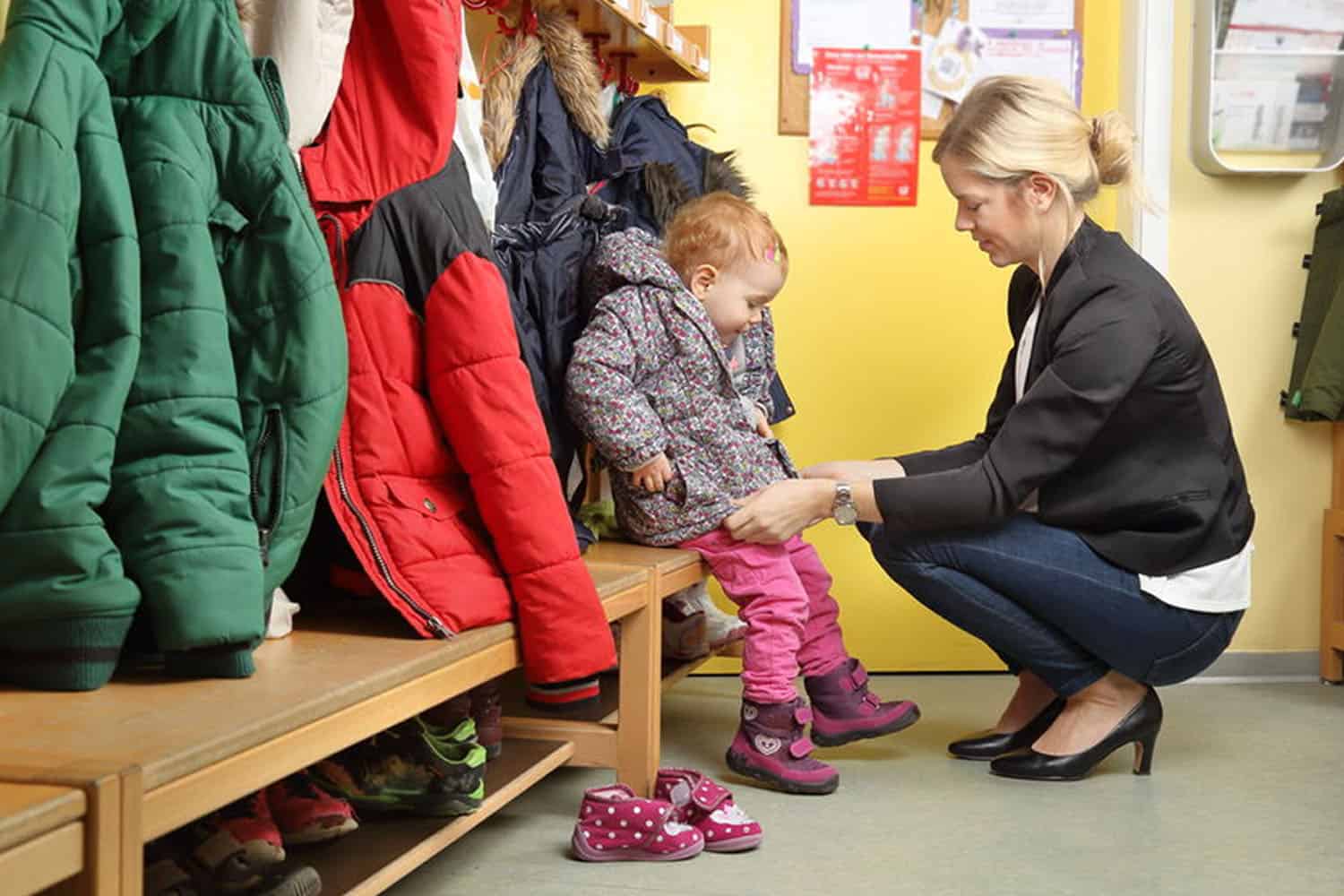
parent collecting child from preschool

Separated Parents.

It can be tricky being caught between parents, new partners of parents, and lawyers and it’s never easy trying to determine what information if any you can and should share and where the line is between privacy rights and responsibilities and duties as a parent.

This article discusses key issues that have a

This is a member/subscriber only post. To access it, please see the message below for details on access and joining.
Already a Service Provider Member?

Not a member?  Service owners, managers, and community organisations may apply to join as a service provider.  

Five Reasons to Join Us
1. Marketing

It is prestigious to belong to the OECE. Membership is usually by invitation.  Online applications can be made if you think your service meets the criteria. To be a member a service must have as its first priority a focus on being high-quality for children and families.  It must also agree to follow the standards in the Code of Conduct for ECE Services.

Running a parent survey when you want to do one is simple – we handle it for you and provide you with a confidential copy of the results. We will also cover the cost of the survey.

Promoting your service online to parents is taken care of.  The OECE has partnered with the My ECE website and the ECE Parents’ Council Aotearoa to give members free advertising for their service.  For details directly contact My ECE

2. Professional

Free subscription access to the ECE Newsroom – your service provider member login will let you view everything in the ECE Newsroom

Complimentary access to over 25 years of published NZ and international research – your service provider member login gives you free access to the Research Library and support

3. Management

Management and ECE employment resources and advice will be at your finger-tips 24/7. We have so much available in the service provider area of our website – ranging from templates for policies, guidance on managing cashflow and debtors, staff drug use, negotiating pay with staff, and through to topics such as best sandpit design. 

We will make running a staff survey simple for you.  You can use our specially designed survey.  We collect the results and will provide you with a confidential report of the findings. (50% discount available to service provider members).

4. Representation

Did you know that the OECE meets personally and regularly with the Ministry of Education national team, and the regulations committee and other forums? 

Political leaders and journalists are able to use the OECE to gain deeper knowledge on a topic or issue, and we provide a sounding board for ideas and feedback.

Members have a direct line of communication with Dr Sarah Alexander, to bring to Sarah’s attention and discuss what’s affecting your service and community of children, families, and staff.

5. Value for Money

We are committed to keeping membership prices affordable and providing value for money. 

Membership rates start at just $250 for 12-months. Or join for 2 years for only $350.  For providers with multiple licensed services, the rates reduce per service the more licensed services you operate.  

Has this been useful?  Give us your feedback.

You are welcome to add a link to this page on your website. Copyright belongs to the OECE so please do not copy any content without our written permission.

Information provided is of a general nature. It is provided ‘as is’, and we accept no liability for its accuracy or completeness. See our Terms and Conditions.

Related Posts

Puddle jumping after the rain

Winter and Rainy Day Activities

Winter and Rainy Day Children’s Activities.

When the children are getting restless and the noise levels are going up and up and you are thinking about how to get through the day, it’s time to bring in some new ideas and fresh activities.

Here’s help. Below are lots of teacher ideas of experiences you can give to children and activities t

This is a member/subscriber only post. To access it, please see the message below for details on access and joining.


Read More »
Young child's injury is checked by friend and caregiver.

Health and Safety at Work Act Requirements

This is an easy to read summary and early childhood friendly perspective on the Health and Safety at Work Act. It also points to specific implications for centres, home-based and franchised ECE operations of the new H&S Act.

Expectations

This Act means that ECE owners/directors/managers/senior leaders can’t escape from being accountable

This is a member/subscriber only post. To access it, please see the message below for details on access and joining.
Read More »
iPad technology

Exploring Educator and Parent Perceptions of the Impact of Digital Technologies on Young Children’s Physical Literacies

Full reference: Davis, T. (2025). Exploring educator and parent perceptions of the impact of digital technologies on young children’s physical literacies. NZ International Research in Early Childhood Education Journal, 27, pp. 31-42.

Login to read the full research paper below. Or order a pdf copy of the article from the main NZIRECE Journal page.

ABSTRACT:
Digital technologies are increasingly present in early childhood settings, raising questions about their effects on young children’s physical literacy development. Physical literacy – encompassing physical competence, confidence, motivation, and understanding to engage in physical activity – is crucially developed in the early years. This article reports on a doctoral research project exploring how educators and parents perceive the impact of digital technology use on the physical literacies of children from birth to five years. A literature review highlights international and Australasian perspectives on digital technology integration in early childhood education and the concept of physical literacy in the early years, revealing a gap in research on stakeholder perceptions at this intersection. Bronfenbrenner’s Ecological Systems Theory and Vygotsky’s Sociocultural Theory provide the theoretical framework, situating children’s technology experiences within layered environmental contexts and sociocultural interactions. A qualitative, interpretive case study with a phenomenological lens is proposed, using semi-structured interviews with educators and parents in an Australian kindergarten and a long day care centre. The article argues that understanding adult perceptions can support more intentional, balanced integration of digital technologies.

Key words:  Digital technologies; physical literacy; teacher perceptions; parent perceptions.

This is a member/subscriber only post. To access it, please see the message below for details on access and joining.
Read More »
The Office of ECE

Share This Information

Table of Contents

Table of Contents

The Office of ECE Login

Take Action!

Help spread this vital ECE information, join our free social and email groups and become a member of OECE.

pay parity funding policy

1. Share This Information

2. Follow Our Social Pages

3. Get Regular Updates

Sign up to our free newsletters.

4. Become a Member