Looking forward to Easter – Planning and guidance
COMMENTARY – 13 March 2026
Easter is a time of year children tend to look forward to an abundance of chocolate and four days off with their family – what’s not to like?
It’s probably an occasion you’ll be planning to mark at your early childhood service in some form.
How you do this will depend on the needs and desires of your families.
Key considerations before you plan
- Consult families about what they want their children to experience and any cultural or religious preferences. Some parents may support children learning about the religious origin of the holiday, while others may not. Likewise, some families may not be comfortable with the celebration being commercialised, or may not want their child(ren) to indulge in too much chocolate.
- Check food allergies and dietary needs before offering food or chocolate.
- Avoid tokenism and commercial focus; aim for meaningful, inclusive activities rather than only treats.
- Animal safety – if you invite animals into the centre; check allergies (e.g. to pet hair) and staff animal‑handling experience.
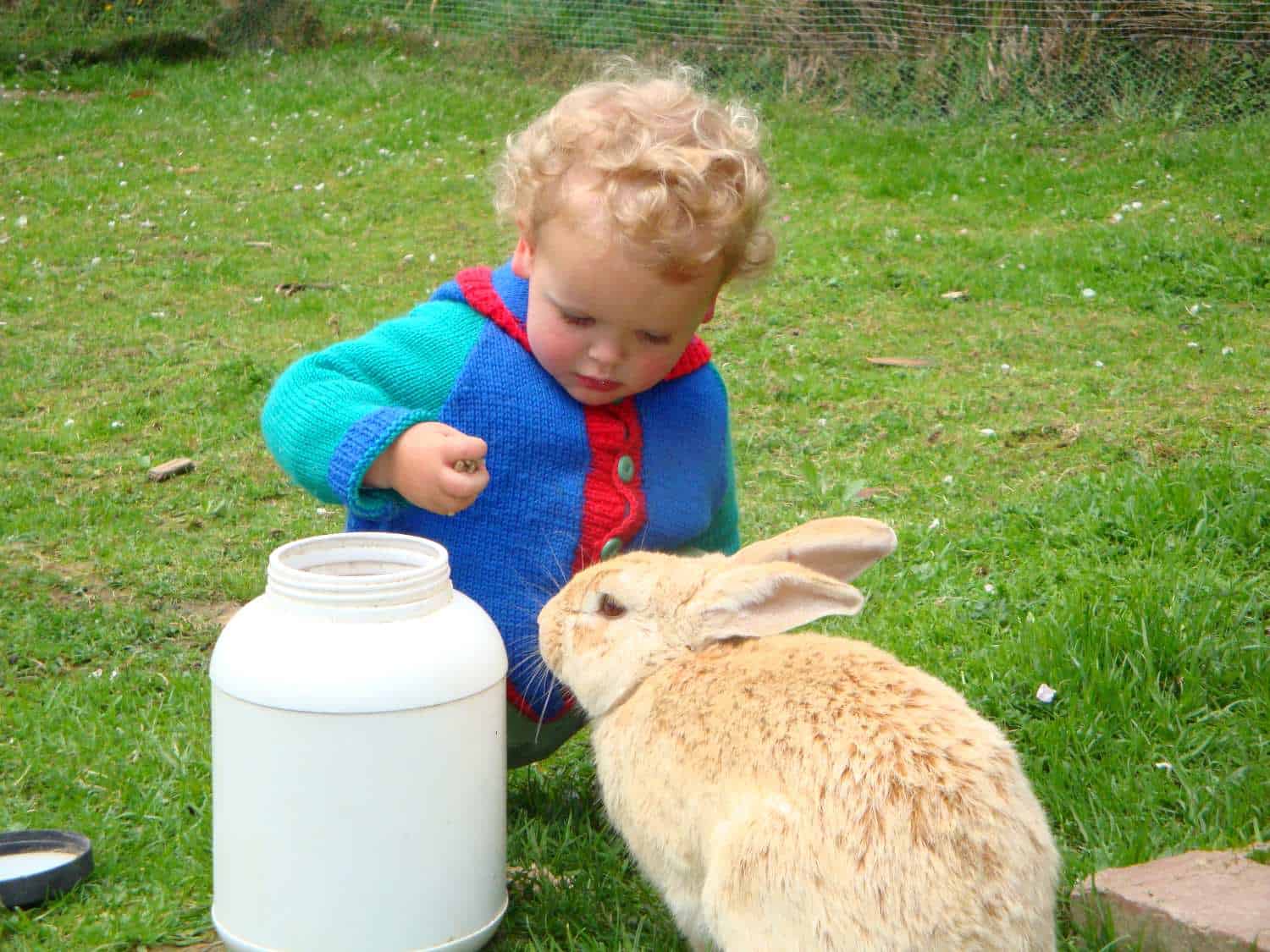
One fun way to commemorate Easter that’s probably suitable for most services could be to organise for someone to bring a rabbit or two into the service during the week before Easter. (This could be a local farmer or a parent of a child who has a pet bunny.)
Rabbits can be very gentle and friendly – as seen in the photo with this article of Sarah Alexander’s son when he was a toddler with his young Giant Flemish bunny called “Honey”. Children love animals and giving them hands-on experience with them is a great way to teach tamariki about using gentle hands and caring for another creature.
Pretending to be rabbits by listening to and doing the actions to the “Hop Little Bunnies” song could be another simple and playful way to mark Easter (especially on a rainy day).
You may also want to bake hot cross buns, paint eggs, host an Easter egg hunt, or organise a dress up day where children wear bunny ears. (Read how-to)
Talking about how tamariki will be spending the Easter break with their families is also a good way to promote discussion of topics like the changing weather and seasons (from summer to autumn) and family routines and traditions.
We have a more extensive article for educators and teachers with ideas for celebrating Easter, including activities and recipes, learning links, conversation prompts, and tips for discussing its religious and commercial aspects with young children – You can find it here.
How do you like to celebrate Easter with the tamariki in your care? Tell us in the comment section.