

An Ethical Guide to Doing, Writing and Disseminating Research

Search in Research
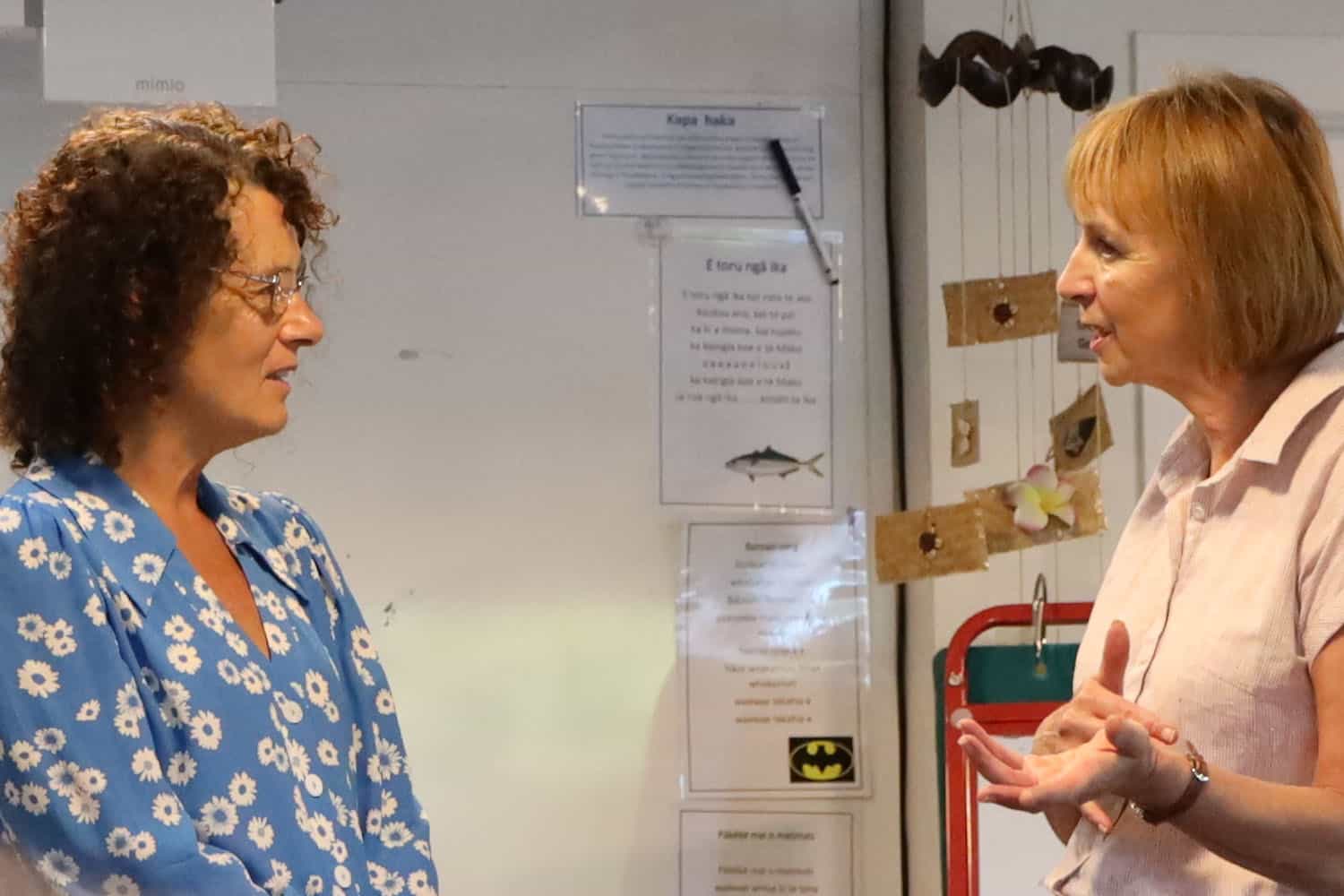
Adults talking about early childhood education and childcare.

The Ethics of Doing, Writing and Disseminating Research.

By Joy Cullen, Helen Hedges and Jane Bone. Republished by the Office of Early Childhood Education First Published in our NZ Research in ECE Journal, Volume 12, pp. 109-118.

This statement is intended to guide academic researchers, teachers, postgraduate students, managers, licensees

This is a member/subscriber only post. To access it, please see the message below for details on access and joining.
Already a Research Subscriber?
Reasons to Subscribe
Tertiary education libraries and individuals.

Enjoy online access to full copies of the latest issues of the NZ-International Research in ECE journal and more than 25 years of past issues of peer-reviewed published articles.

You will also have access to the NZ Doctoral thesis (Ph.D, and Ed.D) and the NZ Master’s thesis directory of theses relevant to early childhood education and care.

For those who are new to doing research, thesis supervisors, and conference paper selectors, we have a range of articles to inform and support you.  These include a guide to ethics when doing, writing, and disseminating research; reviewing abstracts and conference submissions, and more.

Sign-up now

Are you a teacher educator or academic, a practitioner, or a policy advisor, who is keen to keep up with ECE research?

Maybe you are planning to do some research yourself? Or maybe you are advising and supervising students who are undertaking projects?

Enjoy unrestricted access to the hundreds of articles in the Research Area of our OECE website.

Choose your own username and password when you subscribe online. This will be your login for access.

Libraries can request IP address access for staff and students on the library site, instead of password access.  Please note that this is dependent on whether system settings at your end can support this.

Your investment

Personal research user membership – $79.00 for 12-months

Libraries and tertiary education institutions – $250.00 for 12-months

Please see and abide by the Terms & Conditions of membership.

Article copyright belongs to the OECE / ChildForum. You are welcome to add a link to this research article on your website.

Related Posts

early childhood research journal online

Early Childhood Care and Education Policy: Ireland Country Note

Early Childhood Care and Education Policy: Ireland Country Note.

Deirdre Horgan, Shirley Martin, Maura Cunneen and Marcella Towler. University College Cork, Ireland.  

Full Reference: Horgan, D., Martin, S., Cunneen, M., & Towler M. (2014). Early childhood care and education policy: Ireland country note. New Zealand Research in Ear

This is a member/subscriber only post. To access it, please see the message below for details on access and joining.


Read More »
fireworks

Guy Fawkes at your ECE service – 5th November 2026

What can you do to celebrate Guy Fawkes at your early childhood centre or home? Today the history of Guy Fawkes is often forgotten about and it is simply viewed as fire-works time.  With very young children, sparklers are popular. Safety is however a concern with sparklers and any fireworks.  

History

Traditionally the 5th of Nov

This is a member/subscriber only post. To access it, please see the message below for details on access and joining.
Read More »
Young children making music at kindergarten.

How to do Action-Based Research or an Inquiry, and Writing Your Report

What is Action Research?

Action research is defined in the glossary as:  

A hands-on approach to research for change in a setting and/or to one’s own practices, thinking and knowledge. Action research can be a collaborative endeavour or carried out by an individual.

When action research is being undertaken to bring about change in a se

This is a member/subscriber only post. To access it, please see the message below for details on access and joining.

Read More »
early childhood research journal online

Building a Shared Language of Coping: Dynamics of Communication between Parents and Preschool Children

This paper extends the current literature on social emotional development in the early years by providing an understanding of how young children comprehend and talk about everyday challenging situations and the way they cope with these. The paper also provides examples of how visual images in the form of Early Years Coping Cards may be used by the

This is a member/subscriber only post. To access it, please see the message below for details on access and joining.
Read More »
early childhood research journal online

Early Childhood Education: Fracture Lines of Social Context and Neural Development

Early childhood education: Fracture lines of social context and neural development.

John A. Clark. Massey University, NZ.

Full reference: Clark, J.A. (2015). Early childhood education: Fracture lines of social context and neural development. NZ Research in Early Childhood Education Journal, 18, 80 – 86.

Critical Review Paper

This is a member/subscriber only post. To access it, please see the message below for details on access and joining.

Read More »

Are you teaching and caring for children or studying for an ECE qualification?

If you are, that’s great!   Join us now, and become a teacher member.

The Office of ECE

Share This Information

Notice for Students and Library Users
You are able to access all Journal Research articles under the library's subscription. But unless you hold a personal membership you are missing out on a whole lot of valuable teaching and policy articles and other important information. At home, or on your mobile device that is not linked to your institution or library's internet or subscription - click on the JOIN button below.

Table of Contents

Table of Contents

The Office of ECE Login

Take Action!

Help spread this vital ECE information, join our free social and email groups and become a member of OECE.

pay parity funding policy

1. Share This Information

2. Follow Our Social Pages

3. Get Regular Updates

Sign up to our free newsletters.

4. Become a Member