
Lunch-Box Tips for Parents
Packing a lunch‑box sounds simple, but for parents with young children – or anyone doing it for the first time – it quickly becomes an everyday task full of questions:
- What kind of lunch‑box is best?
- Should I wrap the food?
- How much is enough?
- What’s safe?
- What does the ECE service expect?
These tips help take the uncertainty out of lunch‑box prep, making it easier, safer, and more straightforward for you and your child.
Choosing a Suitable Lunch-box
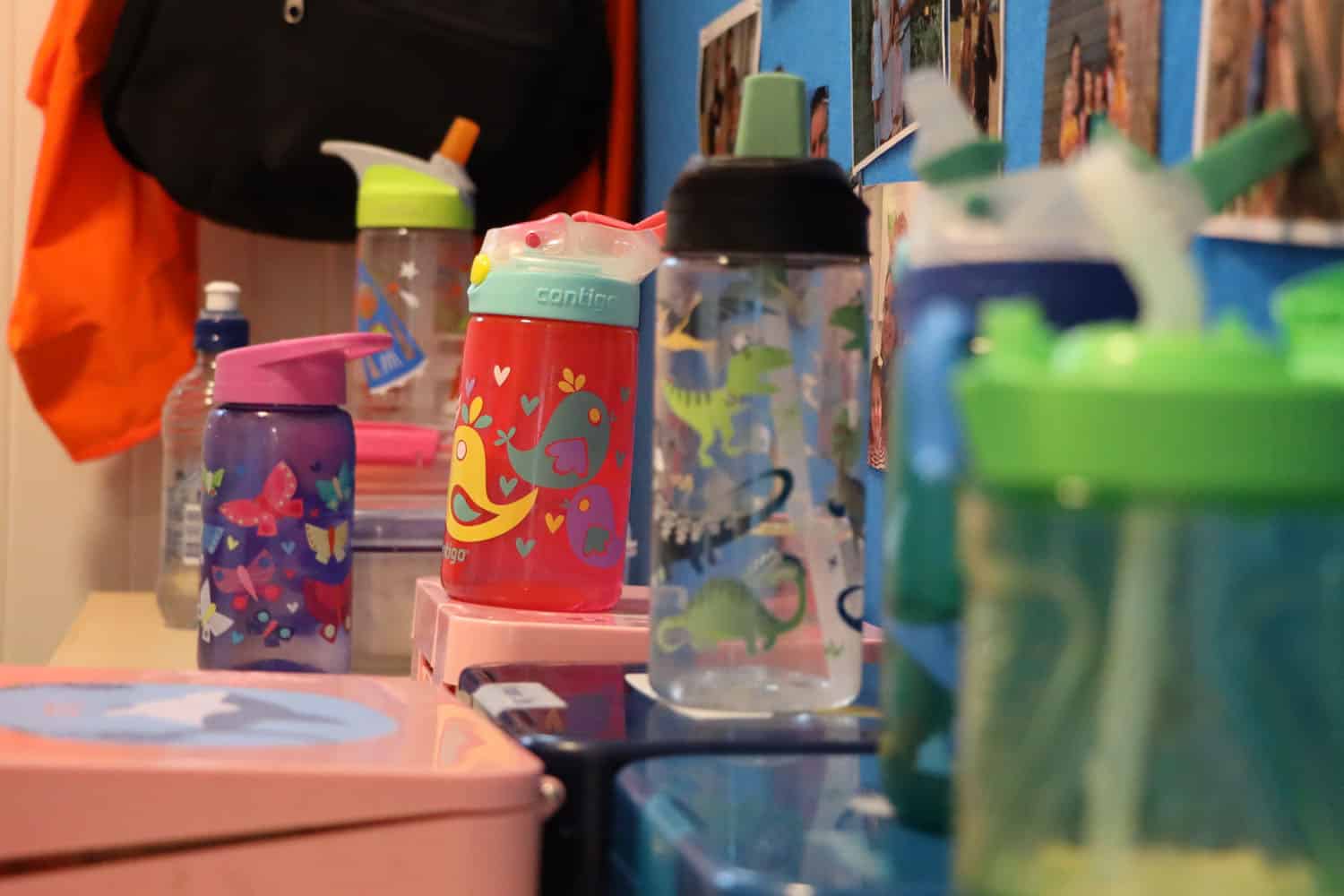
- A recycled ice‑cream container with a secure lid can work well.
- Invite your child to personalise it with a felt‑tip drawing or stickers so it’s easy to spot among others.
- If buying a lunch‑box, let your child choose one they like – it supports their growing independence.
- Before purchasing, check that your child can open and close it confidently on their own.
How Much Food to Pack
For lunch only: include four items – this is usually enough for one sitting without leaving your child hungry.
For morning and afternoon tea as well: add one or two extra items for each break.
Small Portions
- Younger children manage small pieces more easily.
- Cut sandwiches into fingers or quarters rather than halves.
- Keep portion sizes to what your child is used to so not to challenge or overwhelm .
Reduce the Possibility of Choking
Children under five, especially under 3 years. are at higher risk of choking. Their airways are small, and they’re still learning to bite, chew, and grind food properly.
Avoid high‑risk foods until your child has their second molars, as these are needed to grind food successfully before swallowing. This includes:
- Hard fruit and vegetables (e.g., raw apple, raw carrot) unless cooked, grated, or mashed
- Small hard foods like dried fruit pieces or peanuts
- Foods with skins such as sausages
- Corn chips, popcorn, and whole grapes
Even if your child eats these foods safely at home under your supervision, ECE environments are very different. Children may not stay seated the whole time, and another child could easily reach for food that isn’t safe for their age.
Food Choices
Include a soft fruit each day – bananas, kiwifruit, raspberries, or canned pears are all good options.
Easy additions include:
- Yoghurt
- Soft crackers
- Mini‑muffins
- Savoury muffins with cheese or tomato
- Toasted marmite and cheese bread
- Small container of pasta or macaroni cheese
- Rice salad (no nuts)
Allergies and Banned Foods
Check with your ECE service about any foods that are restricted due to allergies or choking hazard (e.g. marshmallows)
Wrapping Food
Wrap or containerise anything that needs to stay fresh, clean, or intact and keep it easy for your child to open on their own. Yoghurt pouches, sealed fruit cups, or small snack containers don’t need extra wrapping.
Avoid cling film – it can be tricky for young children to open independently. Reusable containers are easier.
Check your service’s preferences – some services encourage waste‑free lunches, meaning reusable containers instead of disposable wraps.
How to Know What Your Child is Eating
Ask that any uneaten food be left in the lunch‑box so you can see what your child is eating.
If your child isn’t eating enough, ask how much time they’re given for lunch and request more time if needed.
If your service uses rolling kai time, ask teachers to remind your child to pause play and eat.
Safety and Supervision for Your Child in the ECE Setting
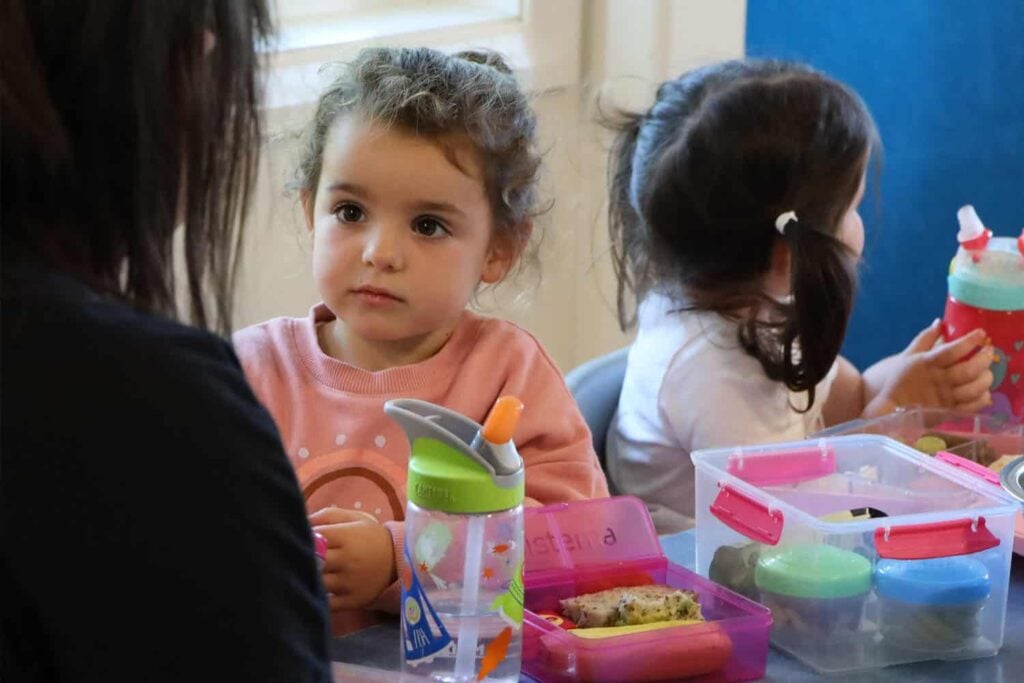
Because sitting still and being supervised reduces the risk of choking, check with your ECE service that it has a process to ensure an adult always stays with and watches your child while they are eating
Considerations for your child’s long-term health
What children eat in their early years can influence their long‑term health. Offering more plant‑based foods and fewer highly processed foods is one way to support their wellbeing and reduce the risk of certain diseases later in life.
The World Health Organization recommends limiting processed meats. An international panel of 22 experts reviewed more than 800 studies and found that eating 50 grams of processed animal meat (roughly one hot dog) was linked to an 18% increase in the risk of colorectal cancer. Evidence also suggests that regularly eating red meat (such as beef, lamb, or pork) may increase the risk of colorectal, pancreatic, and prostate cancers.
A study published in the American Journal of Clinical Nutrition in 2014 reported that mortality rates were almost 20% higher among regular meat‑eaters compared with people who ate little or meat.