How are relievers in early childhood centres treated?
This article is published in the OECE’s speaking-up series.
28 April 2025.
The writer has asked to be anonymous to protect the identity of the kaiako and colleagues.
I spoke to a young, unqualified reliever kaiako and invited to share her account of what her first six months in our ECE sector have been like for her. For the purposes of confidentiality, I have changed her name and removed any details which could identify her or the centre where she is working, so if you read anything which seems familiar, it is likely because these types of experiences are shared by the relievers in your ECE centre. As a sector which prides itself on whakawhanaungatanga, manaakitanga and valuing respectful, reciprocal relationships with tamariki, parents and whānau, stakeholders and fellow kaiako, this kōrero with Ella made me reflect on whether we are treating our relievers well? I understand that her experience is not a unique one, but would be interested to hear different points of view around this, from colleagues in other ECE services. This kōrero is a mixed review of experiences, from the rewarding to the worrying. My overall sense was that this reliever’s experience is not a good representation of the values we as a sector claim to live and work by.
Tell me a bit about yourself and how you came to be in a casual relieving position
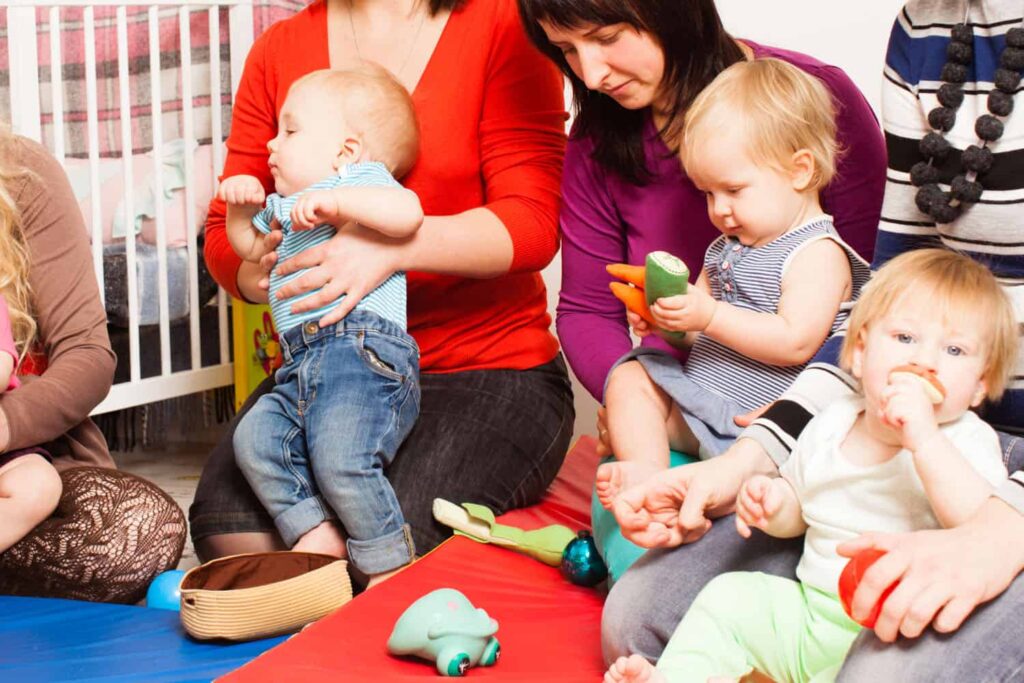
My name is Ella and I’m 19. I completed my first year of Uni last year and decided to take a gap year as my grandmother is unwell. I wanted to be closer to home to care for her, as well as save some money to buy a car. My aunt is an ECE teacher and she suggested I put my name down for relieving work, which I did. I’ve been relieving at a lovely ECE centre which is close to where I live, meaning I can walk to work, which is great. There are 7 rooms in the centre with children ranging from about 3 months to 5 years. Nothing like the little country kindergarten I went to as a child! I work across all 7 rooms and have worked 5 days a week, mostly 8 hour shifts, ever since I signed my contract back in November.
What was your first day like?
I arrived early, and couldn’t get in the door. The manager had said she’d text me the code but she hadn’t. I texted her again to gently remind her, but she hadn’t replied. I waited for a parent to open the door and went in with them. I was relieved I’d arrived so early because it took me about ten minutes just to get in the door.
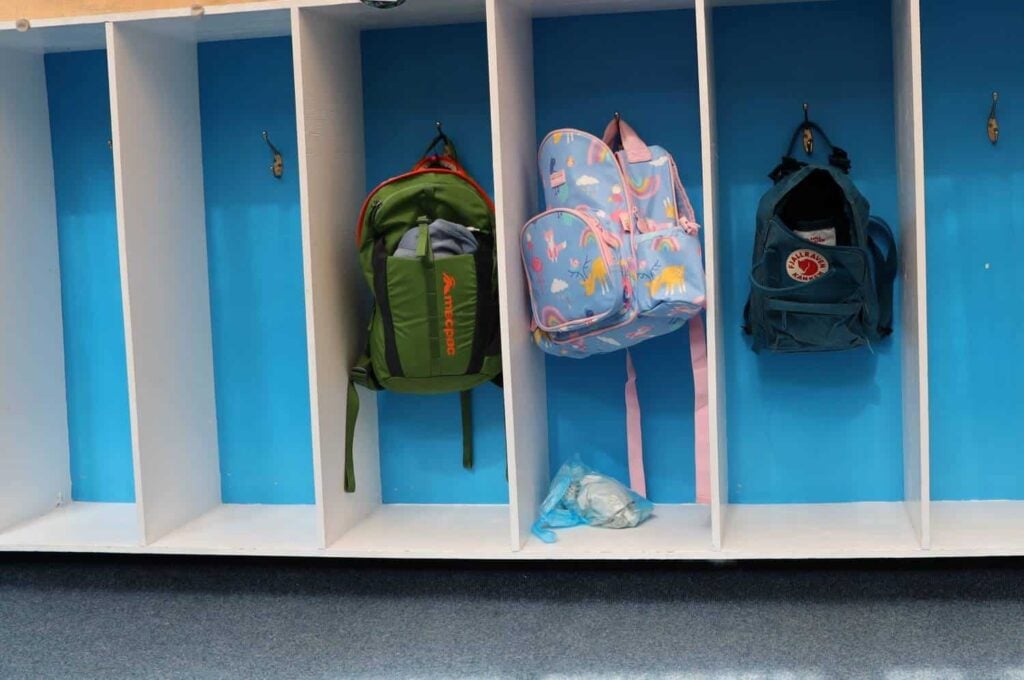
Once I put my bag away it was straight into working with the children. I felt overwhelmed because I didn’t know anyone’s names or the interests or temperaments of the children. I was grateful my aunt had given me some advice like introducing myself to every parent and whānau member, getting down to children’s level to speak to them, and using initiative. I tried to let the staff know that it was literally my first time in this role, and was hoping that they’d give me some support, but honestly they were just so busy. I didn’t even have an induction until I’d been there over a month. Definitely a case of hitting the ground running, and figuring things out as I went along.
How are you finding it now?
Better now that I have learned almost everyone’s names, and have an idea of what’s expected of me. I’m learning that you have to be assertive, for example, sometimes I’m put outside and I need to ask someone to swap with me so that I can go to the bathroom. I’ve learned that if I ask to swap with another teacher and they say “yes, I’ll be with you in a minute” then get sidetracked and forget, I just have to keep asking and reminding until someone can swap with me. I have noticed that this doesn’t happen with permanent staff though, just us relievers.
Best experience and worst experience?
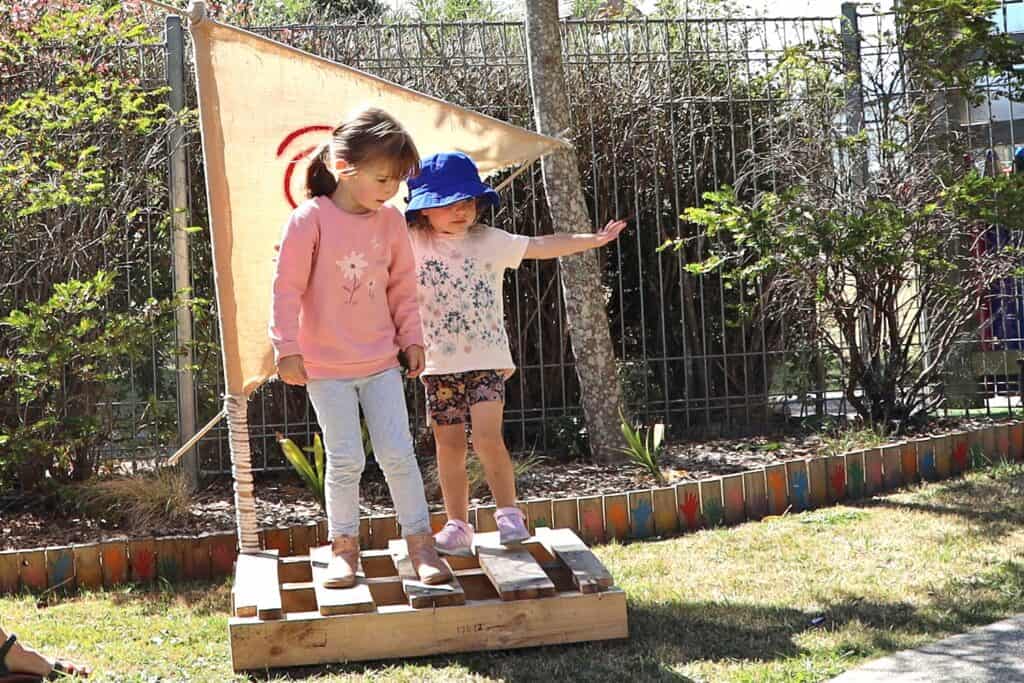
My worst experience was a cold, raining day. I was outside, which was fine, but I’d been out there for 6 hours (apart from a ten minute break). I was freezing and my clothes were soaking wet. The majority of the children were outside with me and there were about 4 children inside, where there were also 6 teachers. I couldn’t understand why at least one of those kaiako wouldn’t come outside too and support me with the children, or relieve me so I could spend some time indoors as well. I guess I was feeling quite sorry for myself that day, and being physically so uncomfortable I was worried that my cup wasn’t full to be fully present with children. Honestly it was a relief to get to the end of that day and get home. I felt really unappreciated and unseen that day.
My best experience I couldn’t boil down to just one thing. The rewarding moments with the tamariki make it all worth it. When children are happy to come to me at drop off times, or when they introduce me to their parents and caregivers, when a baby falls asleep in my arms, when a child laughs at my joke or shows me something they’re proud of. I completely understand what my aunt meant now when she said I’d work hard, but it would be incredibly rewarding.
I also love it when I come into a room where kaiako are maybe a bit worried about being short staffed and they said “Oh Ella, Ella’s here!” I feel good that my being there has alleviated some of their stress perhaps, and that they can now get on with their day with that extra pair of hands and eyes to support best practice.
What would mean the most to you in terms of improving your experience?
Things like being invited and supported to contribute to planning and documentation would be great. I notice things like children’s interests and authentic learning moments, parent/whānau voice etc but I have no time or capacity to record or contribute these things. Being invited to staff hui would also be nice, or perhaps there being a hui specifically for relievers?
Overall though, just being treated like a person. Having the other kaiako acknowledge me, remember my name, remember to send me on breaks, show care for my wellbeing like they do for tamariki and for each other. Being a reliever I definitely feel right at the bottom of the pecking order. It’s pretty humbling.
Advice for another new reliever?
Arrive well prepared for the day and prepare to be outside so make sure you’re ready for whatever the weather might throw at you. Work hard to build relationships because you don’t have the consistency that the permanent staff have, so you need to grab every opportunity to connect with tamariki, parents and whānau. Be resilient-try not to take it personally if staff, children, parents and whānau don’t remember your name or don’t talk to you as much as to the permanent staff. Be assertive-if you need to use the bathroom or a drink of water etc make sure to advocate for yourself.
Enjoy the lovely moments with tamariki and be grateful and feel joy that you’re a part of their learning journey, even if it’s just a small part.
Thank you Ella, for sharing your experiences and reminding us of the importance of the whakatauaki…
He aha te mea nui o te ao
What is the most important thing in the world?
He tangata, he tangata, he tangata
It is people, it is people, it is people
Let’s make sure we are treating all people in our ECE spaces with the manaakitanga and respect we would want to role model to tamariki.