
Ministry of Education in NZ: Its Role in the Early Childhood Sector
The Ministry of Education shapes how early childhood services operate in New Zealand through its funding decisions, policy advice, and sector management. Understanding its influence helps parents, educators, and taxpayers see how power is exercised and why public accountability in early childhood education stewardship matters.
Ministry of Education National Office
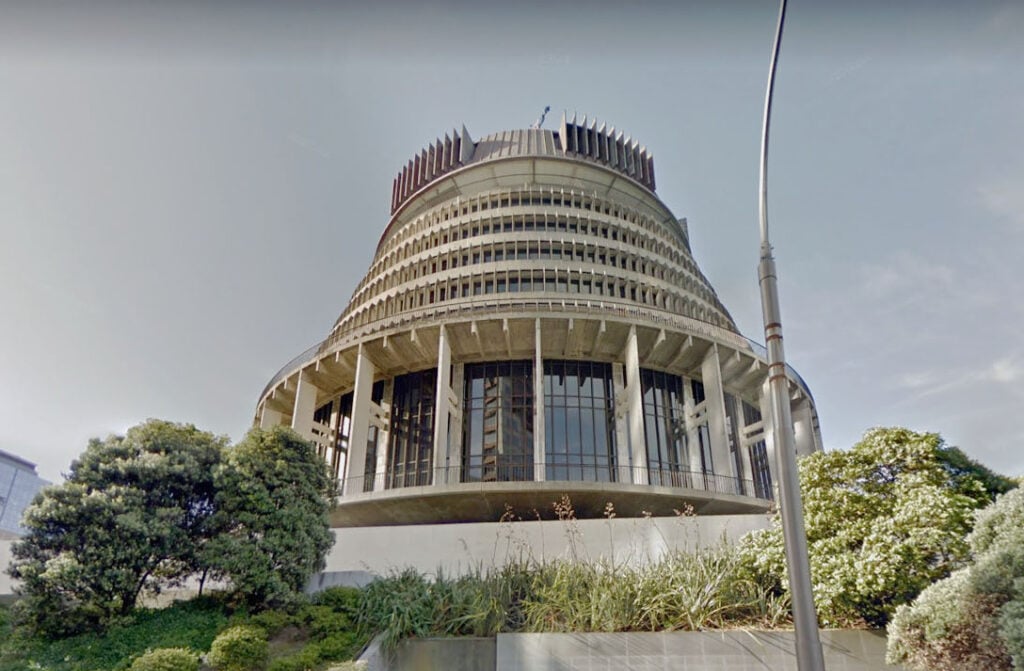
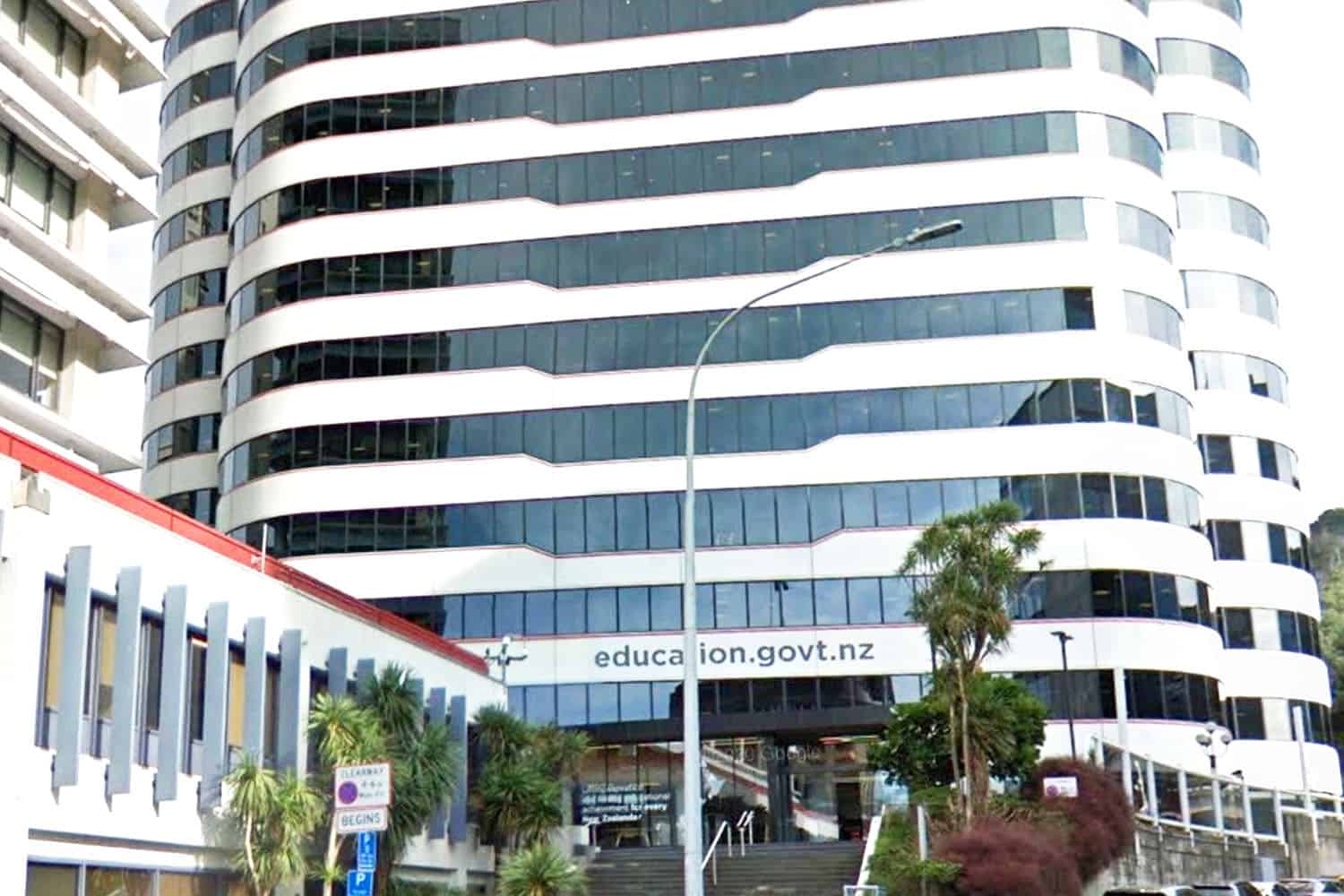
The national office is located in Wellington central and is across the road from Parliament. It accommodates all of the Ministry of Education’s national office staff.
The Ministry refitted the building in 2017 at a cost of $20 million. It includes a 12-floor staircase ($2.5 million) which Labour’s education spokesperson Chis Hipkins at the time called a “stairway to heaven”. In May 2022 the Ministry closed Mātauranga House because it was found not to meet earthquake standards. Staff were asked to work from home while alternative office accommodation was found to allow for repairs to be undertaken. As at July 2023 work continues to be done on Mātauranga House to bring it up to earthquake standards.
The Ministry of Education does not have on-site provision for childcare or an early childhood service for staff children.
The Ministry’s Stewardship of the ECE Sector
Beyond the Education (ECE Services) Regulations, the Ministry of Education has considerable power to set rules for operating an ECE service. These rules are called licensing criteria. The ‘criteria’ provide interpretations of the various regulations and extend on the regulations. It also has power to influence employment and staffing practices and other practices through the funding rules it sets.
A popular term in the public sector to describe the management of a private sector is ‘stewardship’. As stewards of the ECE sector and individual services, the Ministry of Education in many ways must defend the operation of services and do its utmost to support them even in the face of criticism. On the other hand, it also has a public responsibility to shut down services that are not operating within the bounds of the regulations or have potential to be dangerous or unsafe for children. This makes the job of the Ministry of Education quite tricky – it is engaging in a constant balancing act between protecting the interests of service providers and the interests of the NZ taxpayer. The interests of parents and children can be overlooked as they are users, and not service providers.
But, there’s more to know – read this: Ministry of Education bias and questionable advice to Ministers.
Early Childhood Education Policy
The Education Ministry advises Government ministers on early childhood education policy. The ministry has responsibility for policy analysis, forecasting, and reporting of trends and threats. It must follow the direction of the Minister of Education.
Key Acts administered by the Ministry of Education are:
- Education and Training Act 2020
- Children’s Act 2014 (Part 3 – Children’s Worker Safety Checking)
Secondary legislation administered by the Ministry includes:
- Education (Early Childhood Services) Regulations 2008
- Education (Early Childhood Services Network Approval) Regulations 2022
- Education (Playgroups) Regulations 2008
- Education (Registration of Early Childhood Services Teachers) Regulations 2004
- Licensing Criteria/Certification Criteria
A Short History of the Ministry of Education in Regard to Early Childhood Education
Previous to the formation of the Ministry of Education in 1989, kindergartens were supported by their regional kindergarten association and Department of Education Board.
Kindergartens were widely considered to be part of the state education system along with primary and secondary schools. The government partnered with Free Kindergarten Associations in the provision of kindergartens and teachers were part of the public sector.
Childcare centres, playgroups, nursery schools, crèches, family daycare and preschools were operated autonomously by their owners or community groups without interference by Government Departments. This was in the days when funding was not given to these services, they were funded through parent fees and donations and often supported by volunteers or staff who were willing to work often for no more than a minimum wage (note however, that it was still possible for privately-owned services to make a considerable profit if fee charges were high and the wage bill was low).
The Department of Social Welfare licensed early childhood service facilities. It also regularly carried out inspections (often surprise inspections without notice) for the purpose of making sure that services maintained full compliance with regulations.
But today, once a service is licensed the Ministry of Education may not visit the service again in its lifetime unless it receives a complaint about it or there is a serious incident involving a child that the Ministry believes could be related to deficiencies in the service.