Reports of Children Overheating Expose Regulatory Gap in Heat‑Safety Protections in ECE

Search Newsroom Posts
high teacher attrition and children leaving

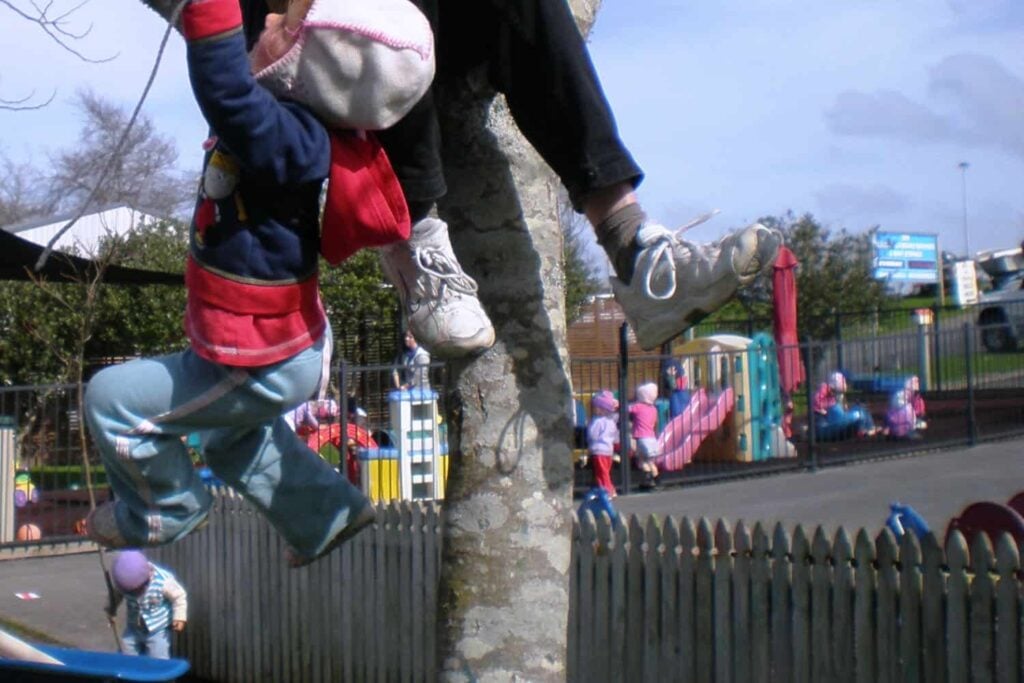
Children in early childhood education services have no legal protection against exposure to excessive heat, even though minimum indoor temperatures have long been regulated.

Current rules require indoor rooms to remain above 18°C, but the Office of Early Childhood Education has received reports of children experiencing discomfort and distress during periods of high summer temperatures.

A recent review of ECE regulations has confirmed that minimum indoor temperature requirements will remain in place, but no corresponding maximum temperature limit will be introduced.

This is a member/subscriber only post. To access it, please see the message below for details on access and joining.
Already subscribed?
ECE Newsroom

NZ’s own specialist ECE newsroom. 
Access national and local stories, in-depth analysis, & original commentaries.  

Membership Support for Teachers & Educators

(Comes with free Newsroom and Research access)

Membership Support for ECE Service Owners, Managers, & Community Organisations

(Comes with free Newsroom and Research access)

Researchers & Tertiary Education Libraries

Full access to over 25 years of ECE academic research articles – NZIRECE Journal.
Plus, guidance and resources on doing and publishing research

Has this been useful?  Give us your feedback.

You are welcome to add a link to this page on your website. Copyright belongs to the OECE so please do not copy any content without our written permission.

Information provided is of a general nature. It is provided ‘as is’, and we accept no liability for its accuracy or completeness. See our Terms and Conditions.

Related Posts

teacher wages, pay scales, in childcare and early childhood education

What ECE Teachers and Workers Earn: Pay, Benefits and Conditions

Anyone thinking about getting a job in ECE working in ECE or thinking about moving to a different service will find clear, practical information in this article about pay rates, employment conditions, and what to expect in different roles. It explains everything from starting salaries and pay‑step calculations to workplace rights, benefits, and how to recognise a supportive, professional environment.

Read More »
LGBT - image courtesy of www.spreadshirt.com for teacher t-shirts

Being Inclusive of LGBT Teachers

Equality and acceptance of LGBT teachers in the New Zealand education system is still far from established.

Discrimination can be subtle, such as whispering the word ‘gay’ so that the children can’t hear, but can also be obvious and inappropriate through direct discrimination and exclusion.

Teachers, and particularly leaders, in early c

This is a member/subscriber only post. To access it, please see the message below for details on access and joining.


Read More »

Helping Parents Make the Transition to ECE

Parents Leaving their Child For the First Time in Care – An anxious time.

“A heart wrenching moment for all parents is when we leave our child for the first time in the care of someone else who is not well-known to us or at early childhood service or school. A child may become a lot quieter than usual or kick up a fuss. Either way as parents we

This is a member/subscriber only post. To access it, please see the message below for details on access and joining.

Read More »
The Office of ECE

Share This Information

Table of Contents

Table of Contents

The Office of ECE Login

Take Action!

Help spread this vital ECE information, join our free social and email groups and become a member of OECE.

pay parity funding policy

1. Share This Information

2. Follow Our Social Pages

3. Get Regular Updates

Sign up to our free newsletters.

4. Become a Member