
Fines for Regulation Breaches in Australia

Search Newsroom Posts
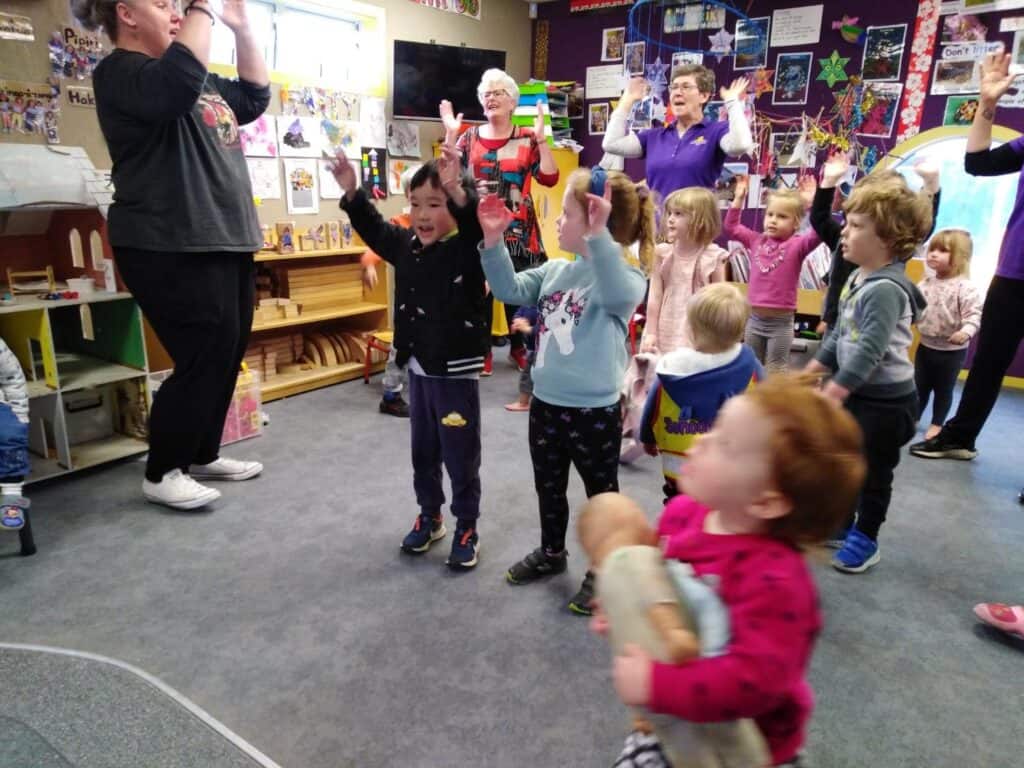
Early childhood teachers meeting to discuss planning.

March 24, 2011.

In New Zealand we take a soft approach to ensuring compliance with standards in early childhood services. 

Under the Education (Early Childhood Services) Regulations 2008 there is provision for a centre to be given written notice that its licence will be suspended if there are “reasonable grounds” such as ill-treatment of children, failing to ensure that a child is not ill-treated, or that its not in the interests of children for the service to continue to operate.   The maximum fine for a breach of the regulations is $500. and this is only for a person who ‘knowingly makes a false statement in an application’ for a licence or says that his/her service is licensed when it is not licensed. 

We don’t have a system for accreditation of centre quality in NZ.  When a service is first licensed the Ministry of Education checks that it is fully in compliance with the regulations and licensing criteria before issuing a licence, then ERO will contact the service every three years (or more frequently if a problem was identified in a previous review) and let it know that it will be visiting to complete a review.  ERO review reports are published and made available for parents on ERO’s website.  The Ministry of Education will visit and check on an early childhood service usually only if a compliant is received (e.g. from a parent) and it is believed that the complaint is justified and one that needs to be followed up.  Very few early childhood service licenses are ever revoked.

Contrast our system to the Australian system and its quality accreditation system and a fine system that Australia is looking to introduce.

New regulations are to be introduced from January 1 which look likely to include fines of up to $200 for breaches of health, hygiene and safe food practices and failing to ensure the safety and well-being of children.  This may cover practices such as not washing hands between nappy changes and failing to make sure children wash their hands before eating.

Services may face court-enforced penalties of up to $30,000 for failing to ensure children are supervised and protected from harm.  And up to $20,000 for not delivering a programme based on an “approved learning framework” that responded to each child’s “needs and abilities”.

The latest Australian National Childcare Accreditation Council found 29 per cent of childcare centres assessed did not have effective food, safety and hygiene practices.  20% did not act to prevent the spread of infections and diseases.  18% did not have a programme that assisted each child to be a successful learner.   
Already subscribed?
ECE Newsroom

NZ’s own specialist ECE newsroom. 
Access national and local stories, in-depth analysis, & original commentaries.  

Membership Support for Teachers & Educators

(Comes with free Newsroom and Research access)

Membership Support for ECE Service Owners, Managers, & Community Organisations

(Comes with free Newsroom and Research access)

Researchers & Tertiary Education Libraries

Full access to over 25 years of ECE academic research articles – NZIRECE Journal.
Plus, guidance and resources on doing and publishing research

Has this been useful?  Give us your feedback.

You are welcome to add a link to this page on your website. Copyright belongs to the OECE so please do not copy any content without our written permission.

Information provided is of a general nature. It is provided ‘as is’, and we accept no liability for its accuracy or completeness. See our Terms and Conditions.

Related Posts

teacher wages, pay scales, in childcare and early childhood education

What ECE Teachers and Workers Earn: Pay, Benefits and Conditions

Anyone thinking about getting a job in ECE working in ECE or thinking about moving to a different service will find clear, practical information in this article about pay rates, employment conditions, and what to expect in different roles. It explains everything from starting salaries and pay‑step calculations to workplace rights, benefits, and how to recognise a supportive, professional environment.

Read More »
Early Childhood Education Press Releases NZ

ECE funding review

Quality expected to go out the window with ECE funding review June 17, 2025. Press Release: OECE The just-announced review of ECE funding could lead

Read More »
volcano-eruption-jpg

Making Volcanoes

Making Volcanoes with Children.

Children find volcanoes intriguing. 

Here are some key facts and simple information to share with children about volcanoes and geysers, along with a ‘recipe’ for making your very own fun miniature demonstration volcano. Introducing knowledge and understanding of volcanoes is a common part of teaching and

This is a member/subscriber only post. To access it, please see the message below for details on access and joining.

Read More »
question mark discussion

Can a Male Teacher Be Fired For Not Being ‘Man’ Enough?

An employer asked whether they could dismiss a male teacher simply because he didn’t match their assumptions about what “men” should do in ECE. This article unpacks the issue, shares expert guidance, and offers thoughtful replies to help services understand their obligations and support all teachers well.

This is a member/subscriber only post. To access it, please see the message below for details on access and joining.

Read More »
The Office of ECE

Share This Information

Table of Contents

Table of Contents

The Office of ECE Login

Take Action!

Help spread this vital ECE information, join our free social and email groups and become a member of OECE.

pay parity funding policy

1. Share This Information

2. Follow Our Social Pages

3. Get Regular Updates

Sign up to our free newsletters.

4. Become a Member