Working Towards Culturally Safe and Inclusive Early Childhood Work Environments

Search in Research
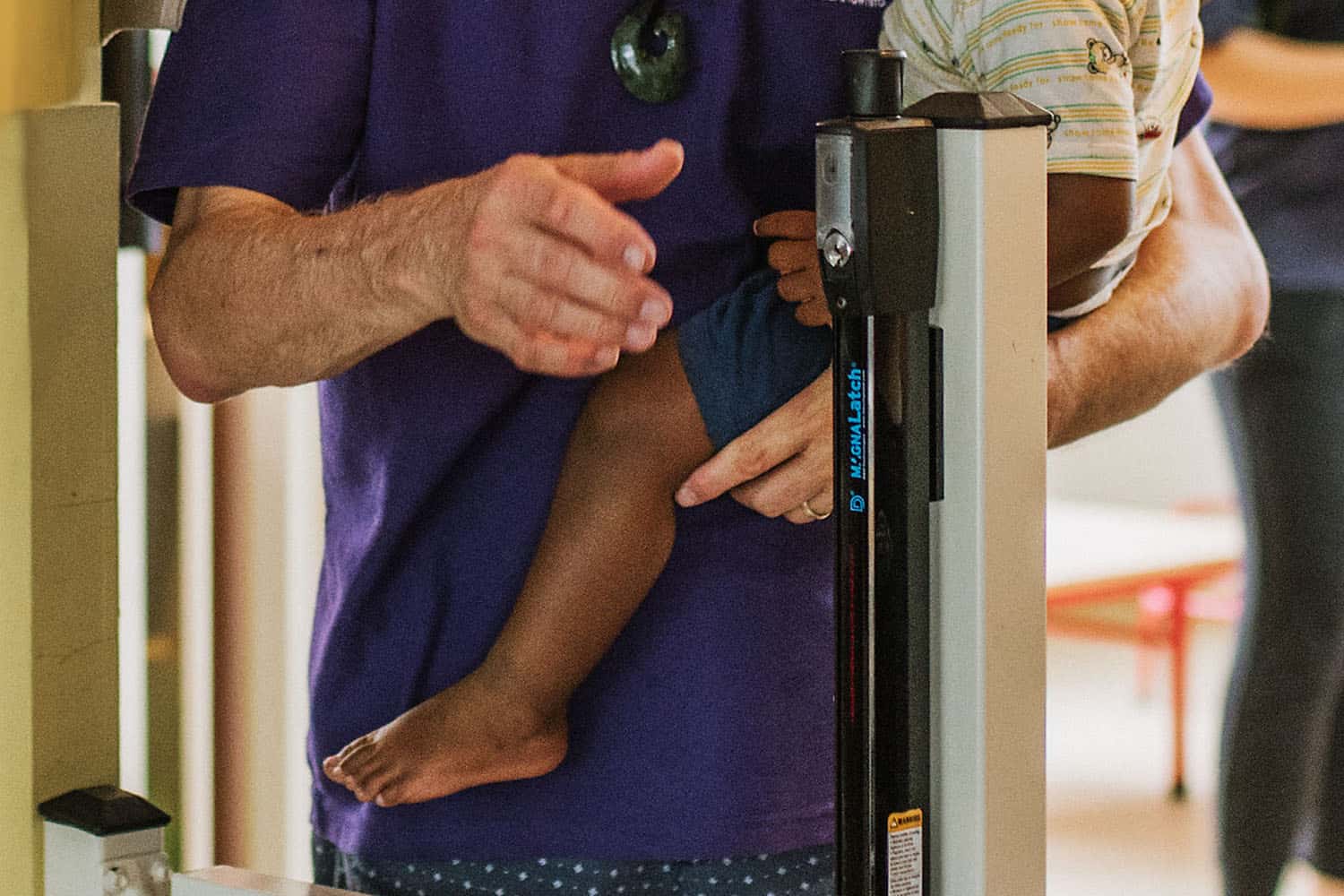
Teacher carrying a child, opens child-proof gate for protecting children in the early childhood centre.

Research on culturally safe and inclusive early childhood work environments. Read the full paper below. Or to order a pdf copy of the article go to the main NZIRECE Journal page.

This is a member/subscriber only post. To access it, please see the message below for details on access and joining.
Already a Research Subscriber?
Reasons to Subscribe
Tertiary education libraries and individuals.

Enjoy online access to full copies of the latest issues of the NZ-International Research in ECE journal and more than 25 years of past issues of peer-reviewed published articles.

You will also have access to the NZ Doctoral thesis (Ph.D, and Ed.D) and the NZ Master’s thesis directory of theses relevant to early childhood education and care.

For those who are new to doing research, thesis supervisors, and conference paper selectors, we have a range of articles to inform and support you.  These include a guide to ethics when doing, writing, and disseminating research; reviewing abstracts and conference submissions, and more.

Sign-up now

Are you a teacher educator or academic, a practitioner, or a policy advisor, who is keen to keep up with ECE research?

Maybe you are planning to do some research yourself? Or maybe you are advising and supervising students who are undertaking projects?

Enjoy unrestricted access to the hundreds of articles in the Research Area of our OECE website.

Choose your own username and password when you subscribe online. This will be your login for access.

Libraries can request IP address access for staff and students on the library site, instead of password access.  Please note that this is dependent on whether system settings at your end can support this.

Your investment

Personal research user membership – $79.00 for 12-months

Libraries and tertiary education institutions – $250.00 for 12-months

Please see and abide by the Terms & Conditions of membership.

Article copyright belongs to the OECE / ChildForum. You are welcome to add a link to this research article on your website.

Related Posts

cleaning gloves and clothes hanging to dry

A Roll of the Dice: Child Safety Risks in Early Childcare Facilities

Dr Sarah Alexander warns systemic failures in New Zealand’s early childhood education put children at risk, citing the Christchurch chemical burns incident and urging lessons be learned from it.

Getting a call that your baby or young child has been seriously injured — or worse, has died — is something no parent should ever expect from a licensed early childhood service. Yet it happens.

On Friday afternoon, 5 December 2025, at a Christchurch centre licensed for 88 children, a corrosive substance was poured down a playground slide. Several children suffered chemical burns, prompting a major emergency response. By Monday, the centre had reopened as usual.

Credit is due to the service operator for informing parents and accepting responsibility.

Mistakes can happen — many of us have, at some point, reached for the wrong product when cleaning or fixing something.

This is a member/subscriber only post. To access it, please see the message below for details on access and joining.

Read More »
Child's Maori cape hanging at preschool

Tikanga in Practice

As a part of my journey I have focused on supporting my colleagues to learn and begin to understand some of the basic stuff that is important to Te Āo Māori. I understand and accept that if you don’t know, you don’t know, hence we should as teachers find ways to become aware. Along with this unknown factor I have experienced resistance. Resistance to acknowledging what it means to weave the principles of Te Tiriti o Waitangi, and therefore promote tikanga within our Centres. 

For example, after partaking in these korero sessions and hearing Kaiako show enthusiasm for incorporating Tikanga in Practice, often those changes to practice that have been discussed, debated, worked out, and agreed upon as a collective don’t eventuate into practice.

It often feels like participants come to the workshops as a part of a box ticking exercise – they can put it in the appraisal system, but then don’t follow through with making actual changes to the practices.

For example, observing colleagues continue to sit on tables, place shoes or hair ties and hats on tables or benches where Kai is sometimes placed, using a chair to place food plates on, finding shoes in the hat basket, observing teachers straddle tamariki stretchers, or doing the laundry all in together. 

When we have had discussions about how tikanga helps to make meeting regulations so easy, yet the changes are not forthcoming. 

This is a member/subscriber only post. To access it, please see the message below for details on access and joining.

Read More »
Ministry of Education

Ministry’s Review of its Early Childhood Advisory Committee Entrenches Lobbyist Power and Deepens Privileged Access

OPINION/ANALYSIS —  29 October 2025

After 16 years, the Ministry of Education has finally reviewed the Terms of Reference for its Early Childhood Advisory Committee (ECAC). While this might seem like a step forward, it instead exposes deep-rooted problems within our early childhood education system—problems that have left the sector fragile, divided, and declining in quality.

ECAC itself reflects the Ministry’s ongoing issues with oversight and governance. The way it continues to operate only further undermines the integrity and effectiveness of early childhood education in Aotearoa.

The ECAC review was a closed-shop exercise: only sitting committee members were invited to give feedback on it, thus essentially rewriting the rules that govern their own influence.

There was no public scrutiny, no broad stakeholder input, no fresh perspectives.

And yet, in the words of one Ministry official, ECAC’s role is “in advising on the real-world impacts of policy.”

Read the Full Details:

We welcome your thoughts and comments on ECAC. Add your reply below. What would a well-functioning, truly representative early childhood advisory committee to the Ministry of Education look like—one equipped with the knowledge, expertise, and diversity needed to provide meaningful, sector-wide advice?

This is a member/subscriber only post. To access it, please see the message below for details on access and joining.

Read More »

Are you teaching and caring for children or studying for an ECE qualification?

If you are, that’s great!   Join us now, and become a teacher member.

The Office of ECE

Share This Information

Notice for Students and Library Users
You are able to access all Journal Research articles under the library's subscription. But unless you hold a personal membership you are missing out on a whole lot of valuable teaching and policy articles and other important information. At home, or on your mobile device that is not linked to your institution or library's internet or subscription - click on the JOIN button below.

Table of Contents

Table of Contents

The Office of ECE Login

Take Action!

Help spread this vital ECE information, join our free social and email groups and become a member of OECE.

pay parity funding policy

1. Share This Information

2. Follow Our Social Pages

3. Get Regular Updates

Sign up to our free newsletters.

4. Become a Member