
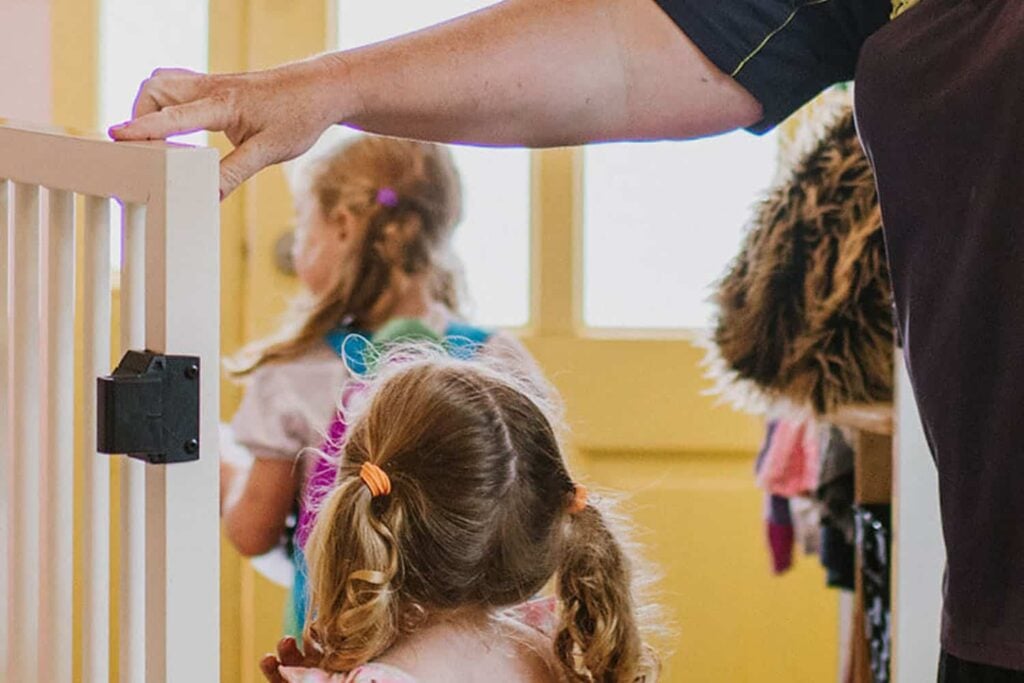
More Children are Escaping from ECE Services
The number of children escaping from early childhood services is
The number of children escaping from early childhood services is

Early Childhood Education System. The Stakeholders and Key Organisations Peak
You are not logged-in. Or, you don’t hold an active membership for this particular area.
Check if this membership is relevant to you.
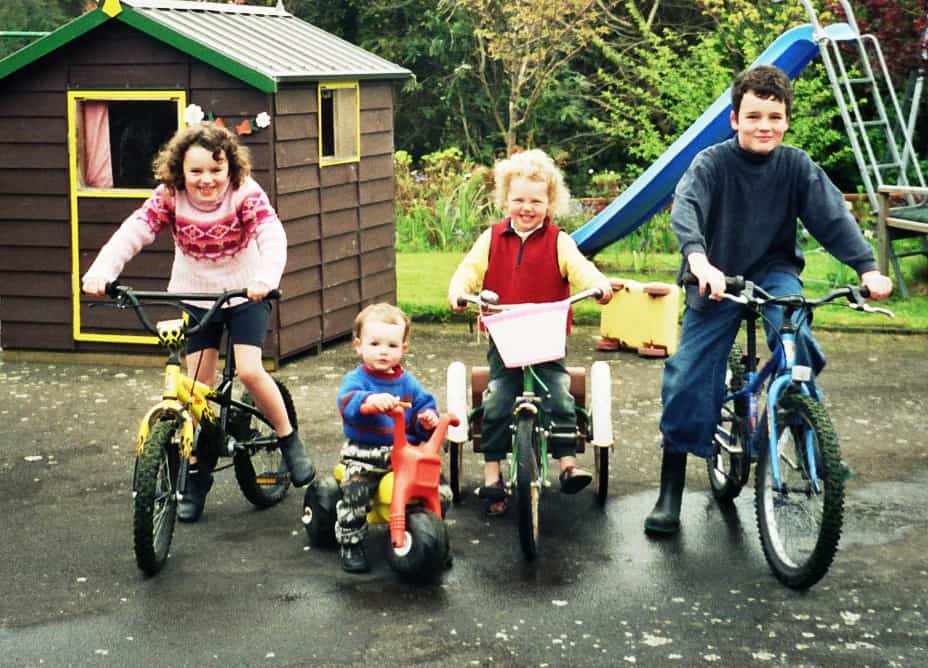
Every child will learn things in their own time but learning how to ride a bike and using pedals before 5 years of age is a reasonable aspiration for parents and early childhood teachers to have for children. It […]
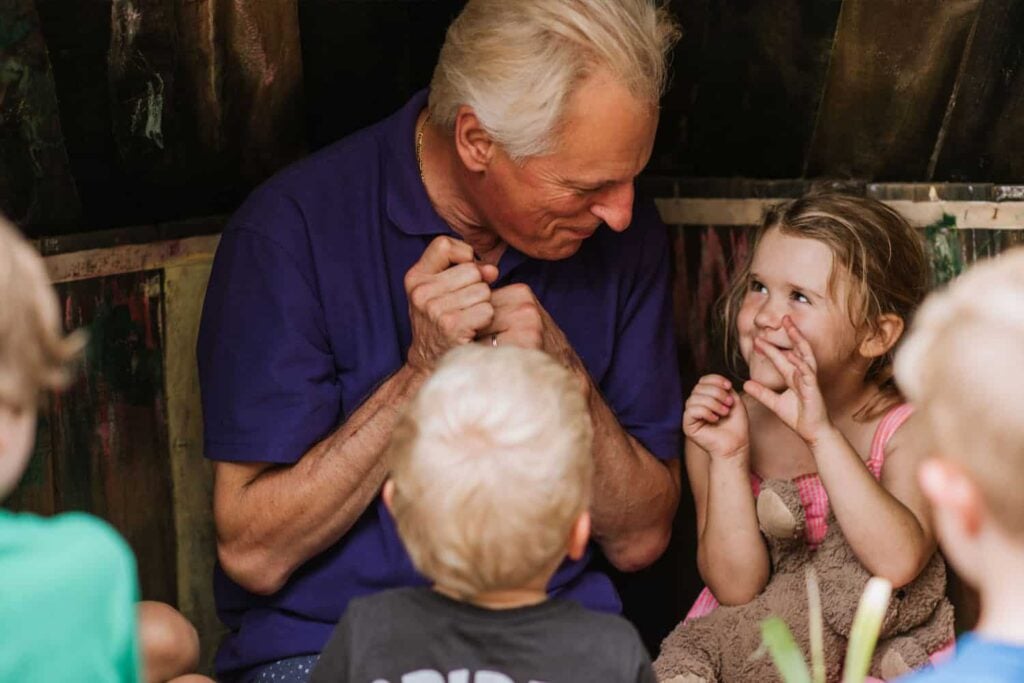
The best early childhood chants to introduce to your children. Why chanting is great for children’s language development and for building a sense of fun and community togetherness. Chants For child sitting in a swingClap hands chant for infantsFruit Haka […]
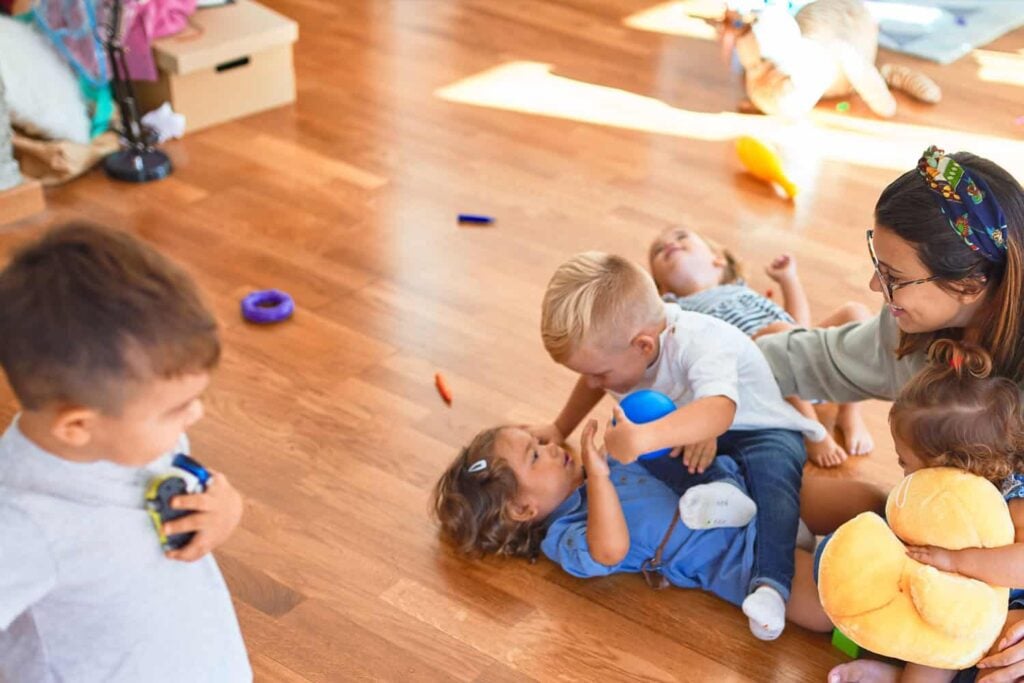
Children bullying another child is not uncommon, and it happens in early childhood centres and homes. Around one in ten children experience being bullied or picked on as a consistent experience from age two years, according to findings of a […]
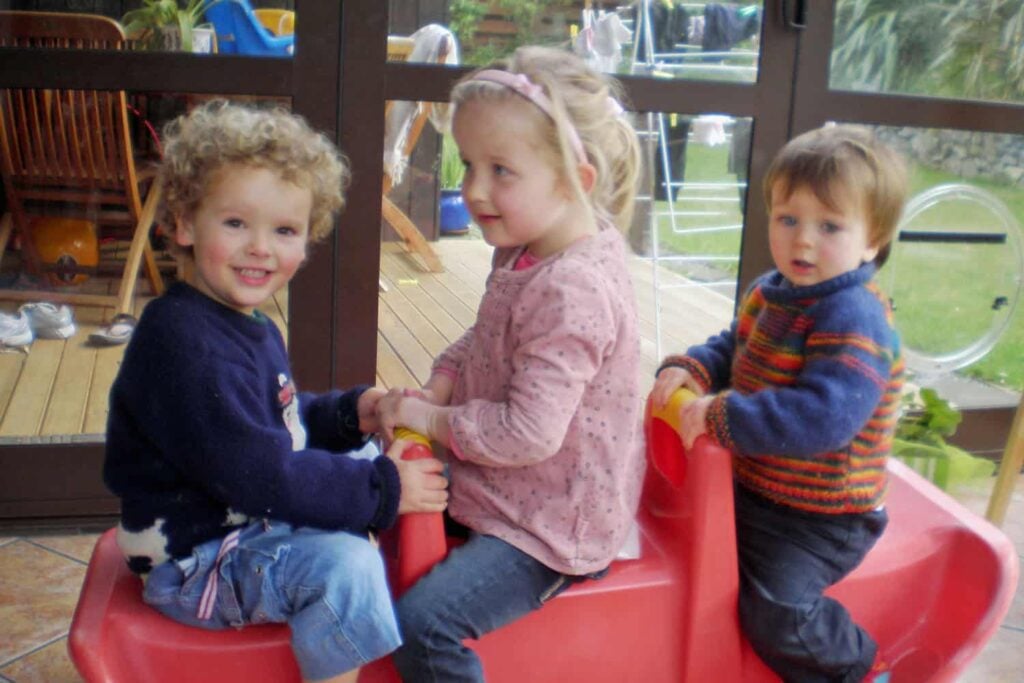
The Joys, the Disappointments, and Why One Home-based Educator Knows She Has Made the Right Job Choice. After nine years working in early childhood centres Kimberley had left her job to raise her own child but when a good friend […]
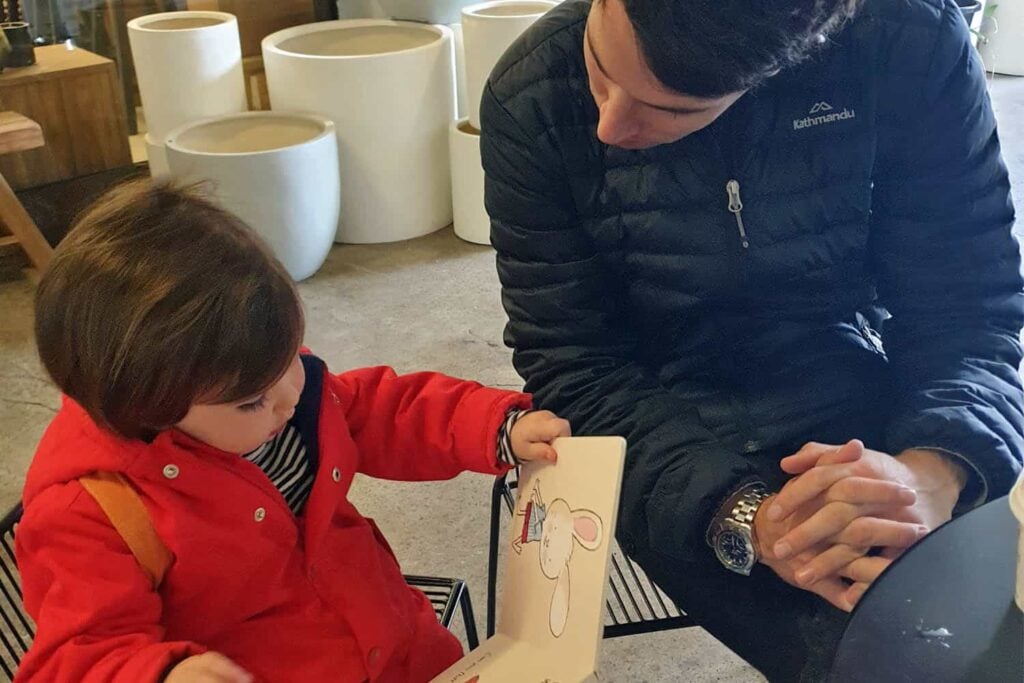
Early childhood education services in general do not do well when it comes to being inclusive of dads and supporting and involving fathers. Services could be doing better if teachers and service operators knew how. New Zealand families are gradually […]
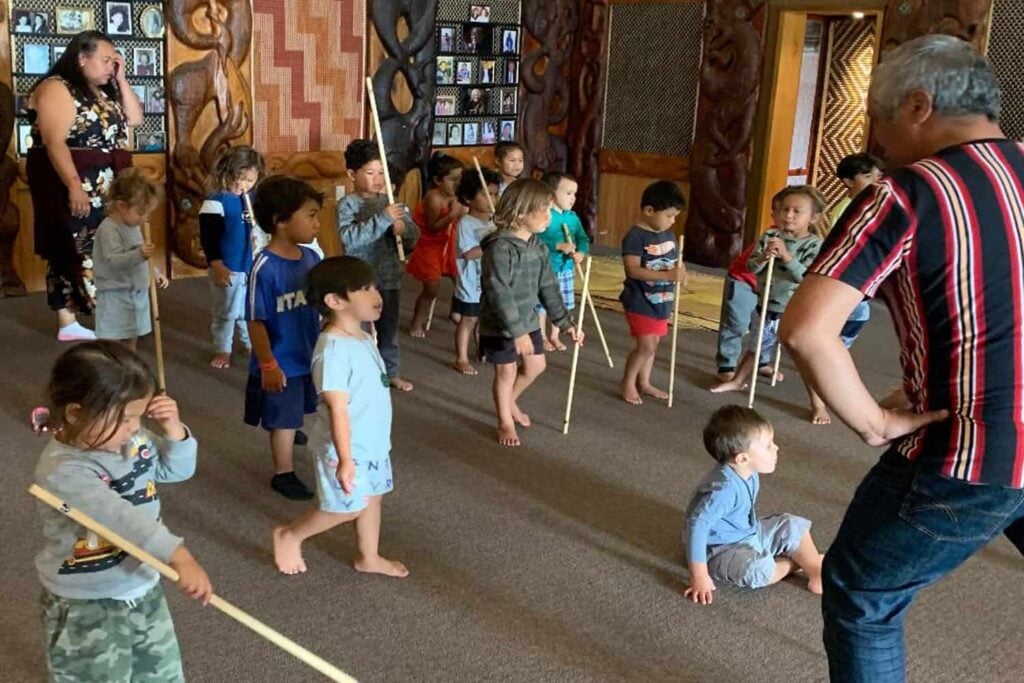
Reflecting NZ’s bicultural early childhood curriculum, Waitangi Day is an important day to discuss and mark with children. It is central to our country’s history as it marks the signing of the country’s founding document. The Treaty of Waitangi was […]

Sign up to our mailing list.
You can unsubscribe at any time.
See our Privacy Policy and website T & Cs
© 2002 –
The OECE (& ChildForum)
Help spread this vital ECE information, join our free social and email groups and become a member of OECE.

Sign up to our free newsletters.