Protecting the Title of ‘Teacher’

Search Newsroom Posts
Scholarships and Professional Qualified Teachers in Early Childhood Education

April 2, 2018.

The intent of a new bill before Parliament is to protect the “Teacher” title. Removing the ability of those who have not gained the recognised teaching qualifications from representing themselves as “teachers” will lift the status of teachers. 

Submissions close on 13th April 2018.

Go to Parliament website for more on protecting the “Teacher” title

Why do people still think of early childhood teachers as babysitters, caregivers, or childcare workers?

Why are unqualified teachers called ‘teachers’ instead of ‘assistants’ or ‘teacher-aides’ in early childhood education?  In the school sector a qualified teacher only is typically viewed as and called a ‘teacher’ and anyone who is unqualified is not taken to be a teacher.

Early childhood teaching is so much more than babysitting! ECE teacher training makes a huge difference to knowledge and skills, resulting in better teaching and better outcomes for children.

Already subscribed?
ECE Newsroom

NZ’s own specialist ECE newsroom. 
Access national and local stories, in-depth analysis, & original commentaries.  

Membership Support for Teachers & Educators

(Comes with free Newsroom and Research access)

Membership Support for ECE Service Owners, Managers, & Community Organisations

(Comes with free Newsroom and Research access)

Researchers & Tertiary Education Libraries

Full access to over 25 years of ECE academic research articles – NZIRECE Journal.
Plus, guidance and resources on doing and publishing research

Has this been useful?  Give us your feedback.

You are welcome to add a link to this page on your website. Copyright belongs to the OECE so please do not copy any content without our written permission.

Information provided is of a general nature. It is provided ‘as is’, and we accept no liability for its accuracy or completeness. See our Terms and Conditions.

Related Posts

teacher wages, pay scales, in childcare and early childhood education

What ECE Teachers and Workers Earn: Pay, Benefits and Conditions

Anyone thinking about getting a job in ECE working in ECE or thinking about moving to a different service will find clear, practical information in this article about pay rates, employment conditions, and what to expect in different roles. It explains everything from starting salaries and pay‑step calculations to workplace rights, benefits, and how to recognise a supportive, professional environment.

Read More »
Scholarships and Professional Qualified Teachers in Early Childhood Education

Doing a Folder, Collecting Evidence, and Sorting out Good Mentoring

Becoming a Certificated Teacher.

The Teaching Council guidelines are clear and it’s easy – and no cost – to set up your own folder and follow the process. The article below explains how. 

We also discuss mentoring and how to choose a suitable mentor.

We recommend you also read about the Professional Growth Cycle (PGC) that is

This is a member/subscriber only post. To access it, please see the message below for details on access and joining.

Read More »
St Patrick's day celebration in early childhood education in New Zealand

St Patrick’s Day Fun Activities – March 17th

This article shares fabulous ideas to help teachers bring the spirit of the day into their early childhood education service, sparking curiosity and delight while celebrating together.

St Patrick’s Day, celebrated each year on 17 March, is a joyful occasion that began with Irish traditions but has since spread across the globe—including right here in New Zealand and Australia.

For early childhood educators, it offers a wonderful opportunity to weave cultural celebration into playful learning experiences.

Whether through creative crafts, music, storytelling, or simple themed activities, St Patrick’s Day can be marked in ways that are fun, age‑appropriate, and meaningful for young children.

This is a member/subscriber only post. To access it, please see the message below for details on access and joining.

Read More »
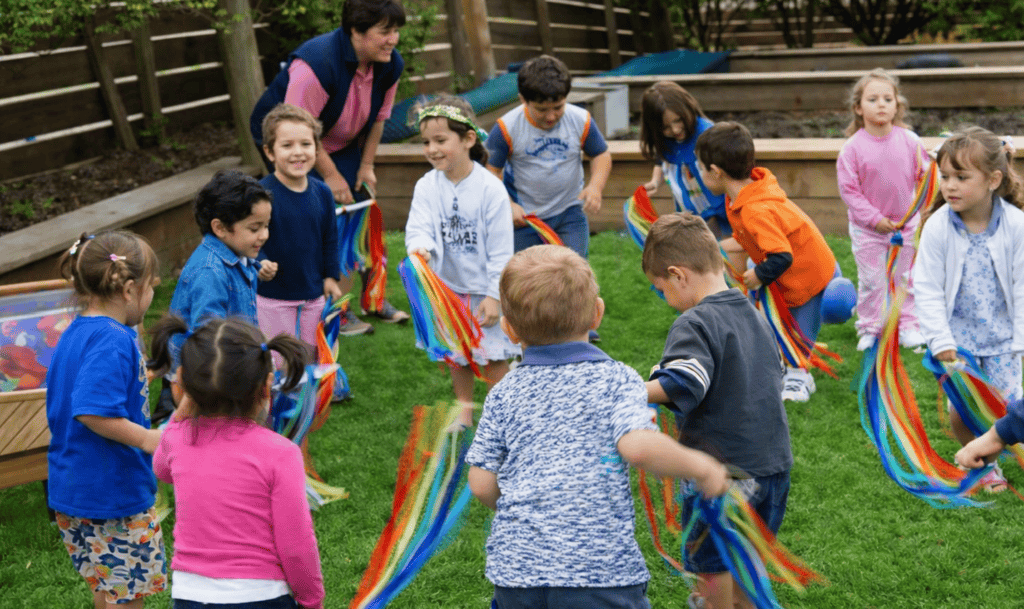
dance movement ribbons happiness and joy

Rhythm Ribbons and Physical Movement

I asked the tamariki “Would you like to use the Rainbow Ribbons?” The response was “YES”.  “Can I have the purple one”, “Can I have the yellow one”, “Can I have the orange one” …

Each child experimented in their own personal way with the wands and the ribbons, familiarising themselves with what they could do, swirling and spinning the ribbons around as they flew in the breeze.     

Wanting to focus the attention of tamariki to begin turning their arms around in circles just like the wind I began our teachable moment through modelling the actions for the tamariki.

Login to keep reading

This is a member/subscriber only post. To access it, please see the message below for details on access and joining.

Read More »
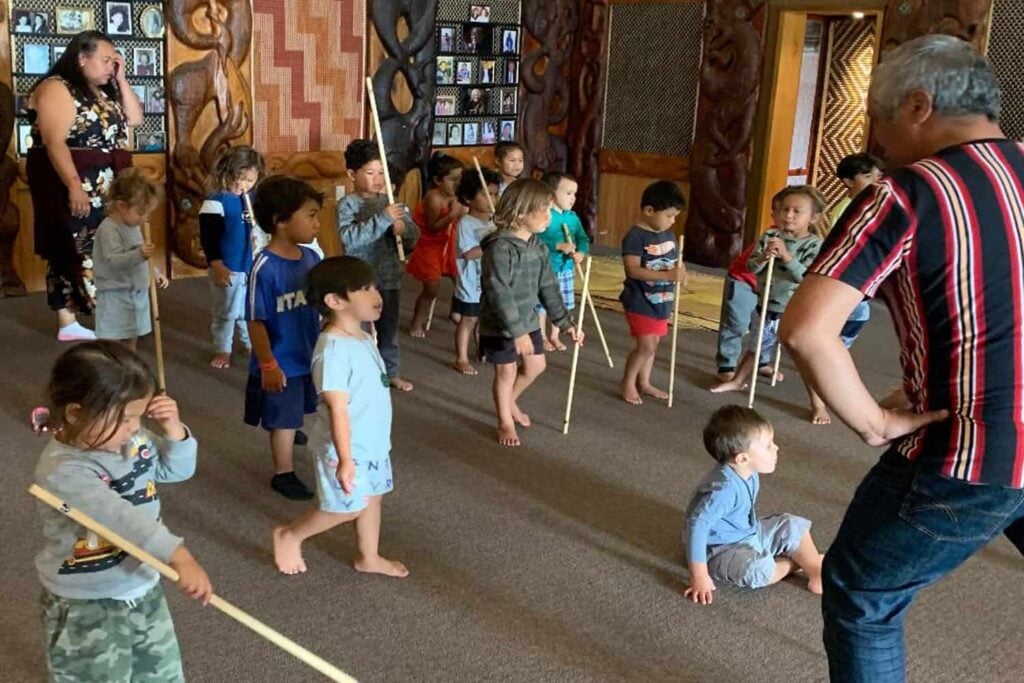
Children supported in their Maori cultural development - learning a haka.

Noho Marae – What’s involved and making the most out of your overnight stay at a marae

If you’ve attended noho marae before, you will likely have some knowledge of the pōwhiri or mihi whakatau process, and of the specific tikanga of the marae.

If it’s your first time, you may feel nervous and keen to ensure you know what to do, to show respect to the haukainga. 

Noho marae are a unique and powerful experience of learning and connectedness. 

Many ECE teams attend noho marae. This may be for professional development, team building, wānanga, connecting with tangata whenua or all of these reasons! Noho marae are also usually included in initial Teacher Education programmes. 

Pōwhiri Process

Pōwhiri are important welcoming ceremony which welcome manuhihi onto a marae.

This is a member/subscriber only post. To access it, please see the message below for details on access and joining.

Read More »
The Office of ECE

Share This Information

Table of Contents

Table of Contents

The Office of ECE Login

Take Action!

Help spread this vital ECE information, join our free social and email groups and become a member of OECE.

pay parity funding policy

1. Share This Information

2. Follow Our Social Pages

3. Get Regular Updates

Sign up to our free newsletters.

4. Become a Member