
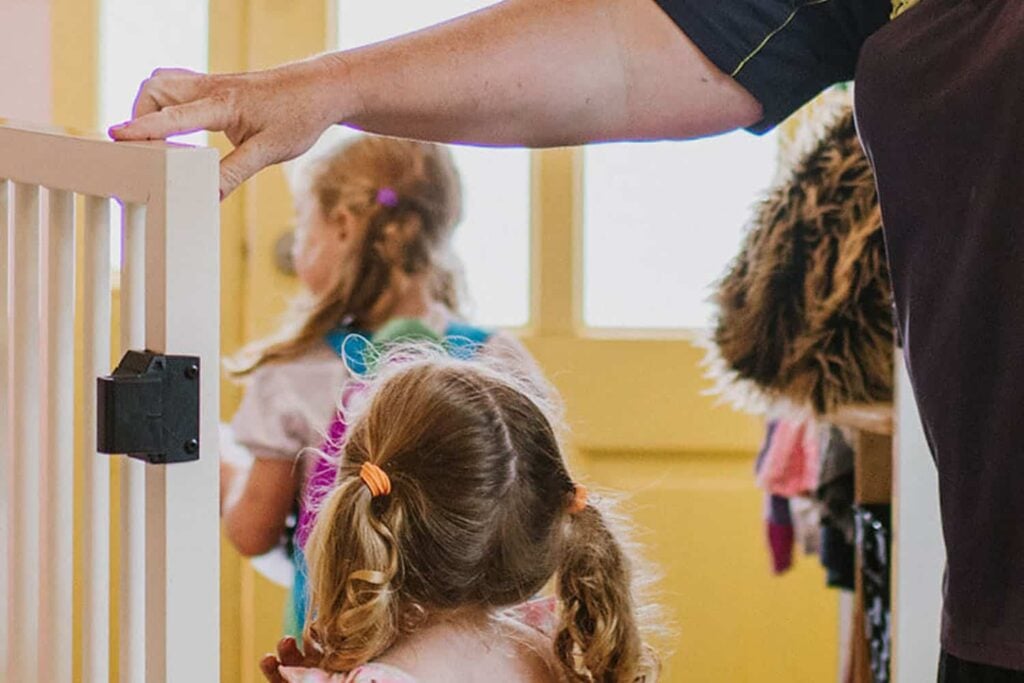
More Children are Escaping from ECE Services
The number of children escaping from early childhood services is
The number of children escaping from early childhood services is

Early Childhood Education System. The Stakeholders and Key Organisations Peak
You are not logged-in. Or, you don’t hold an active membership for this particular area.
Check if this membership is relevant to you.
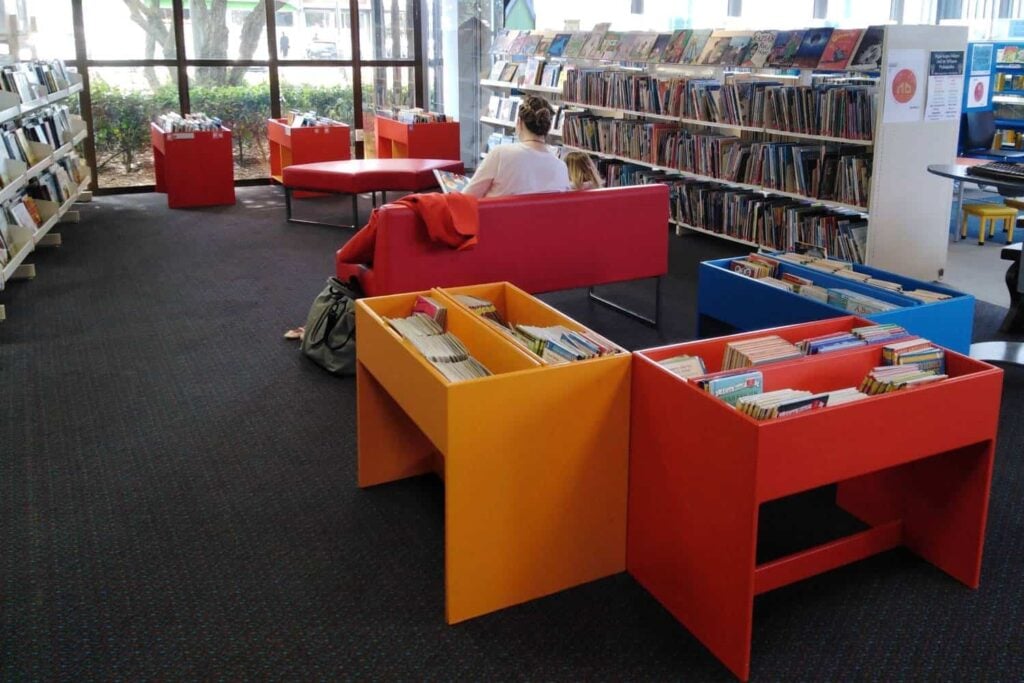
Library Trip with Children. Going to the library is a great activity to do either on your own with a child or small group of
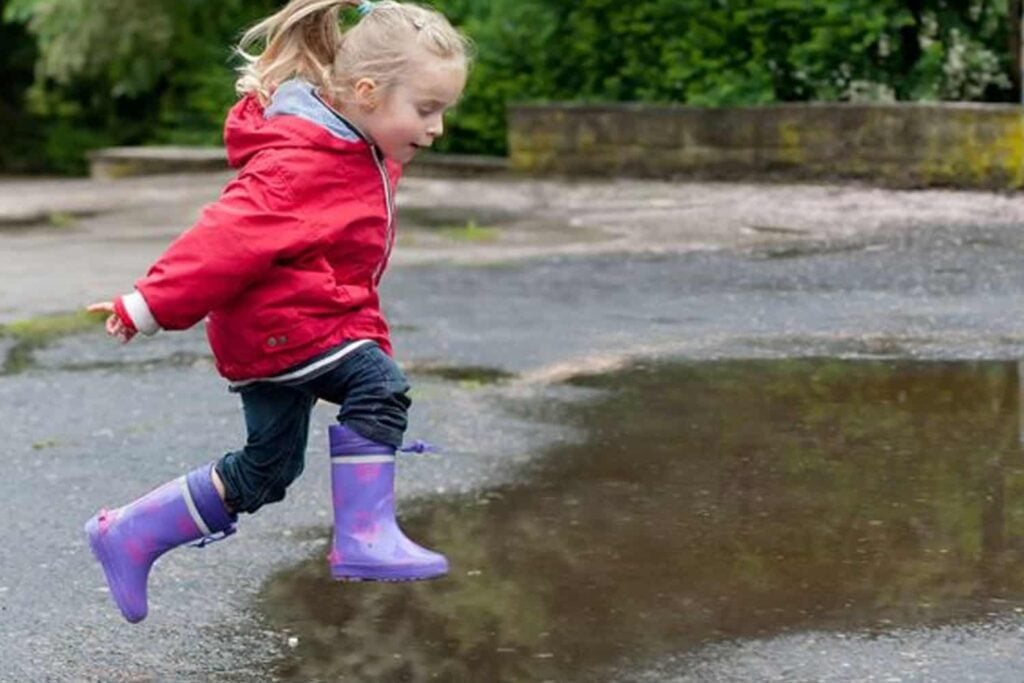
Winter and Rainy Day Children’s Activities. When the children are getting restless and the noise levels are going up and up and you are thinking about how to get through the day, it’s time to bring in some new ideas […]

Plane Spotting at the ECE Service. Going plane spotting is easy. You can do this now without leaving home or your early childhood service. There are thousands of learning possibilities… Technology – tracking planes, use of real timeGeography – different […]
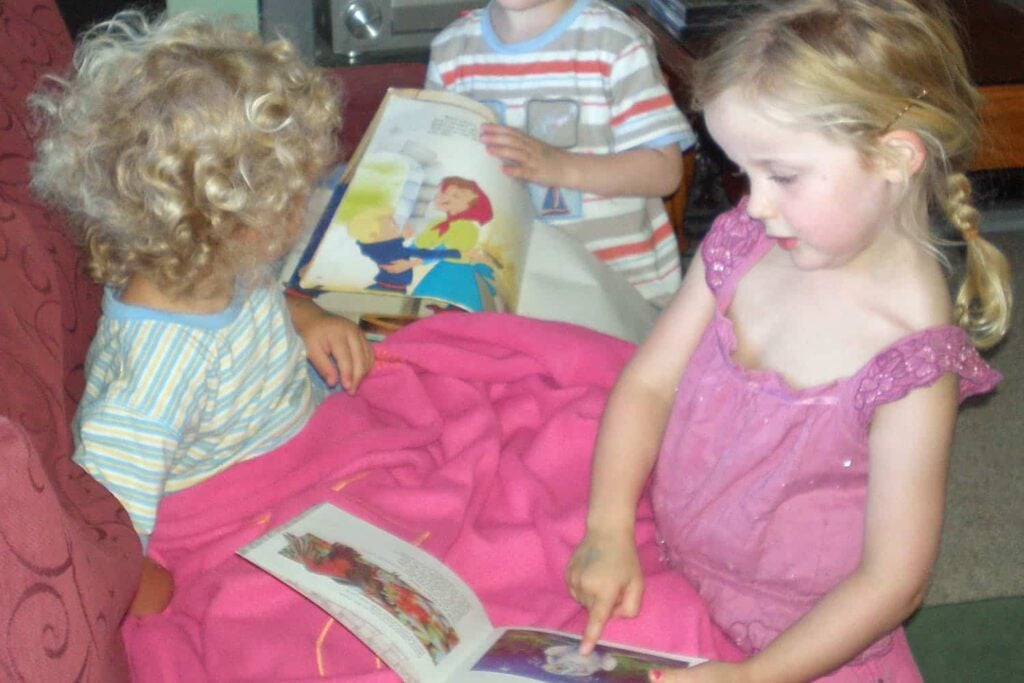
The Type of Books Young Children Like Best. Books are an integral part of a child’s education but getting them to sit down and look at books can be difficult when there are so many other things competing for a […]
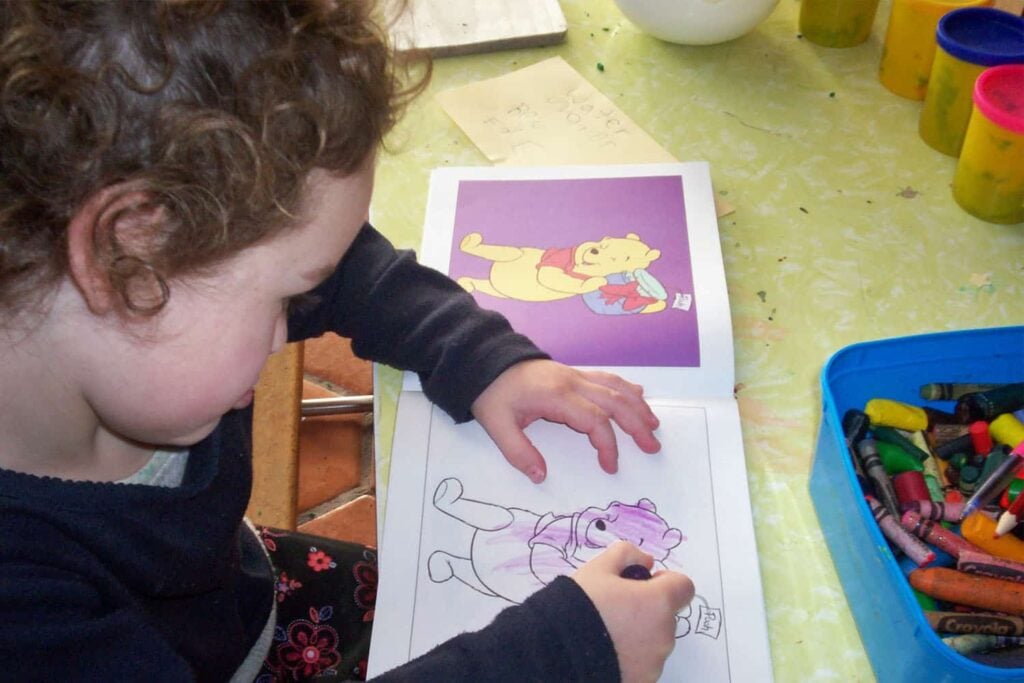
Colouring-in Books in ECE. Back in the 80s and 90s the use of colouring-in books was hotly debated amongst early childhood professionals and a consensus developed that drawing templates and colouring-in books were bad for children. But today, colouring-in books […]
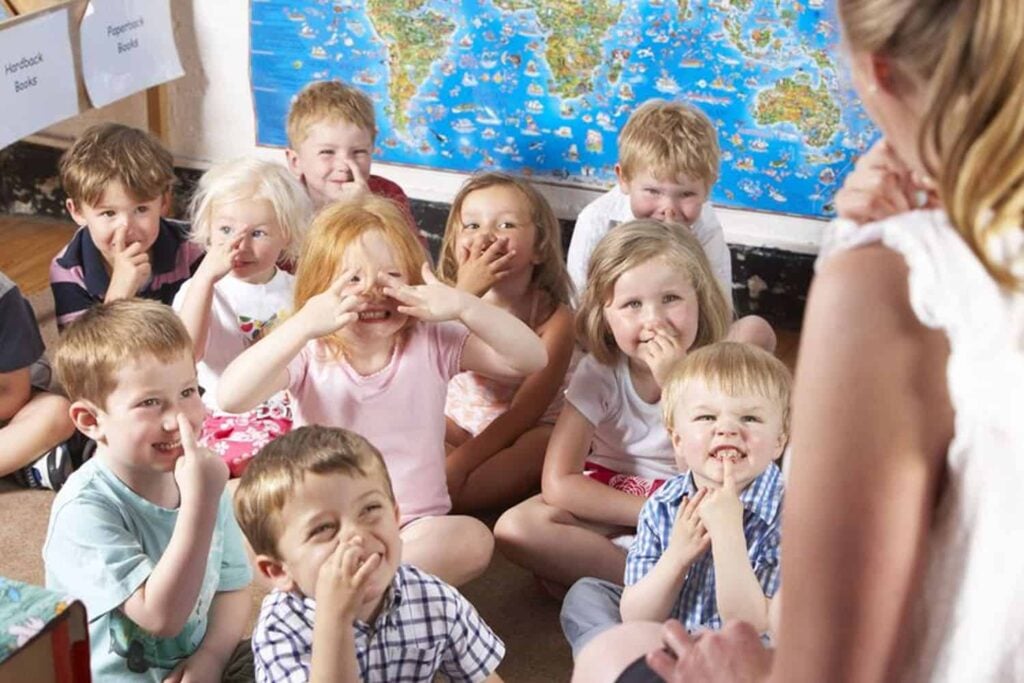
Learning languages in early childhood education is important – whether it is connecting with parts of our own kiwi culture or embracing other languages. With families coming to New Zealand from all over the world it is also important to […]
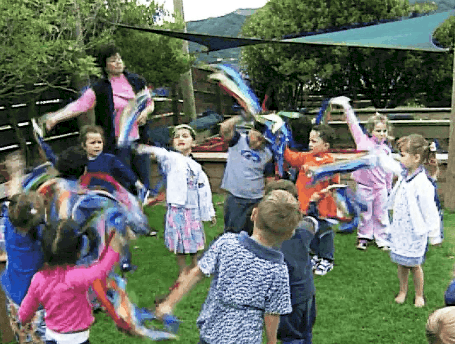
Rhythm Ribbons and Physical Movement. By Bronwyn Norman. Bursting out in the beautiful sunny Autumn/Ngahuru afternoon our tamariki were ready to embrace their environment and interact with each other by choosing materials and playing games. Fuelled by eating a healthy […]

Sports in the Early Childhood Curriculum. Have you ever heard a sports coach or commentator describe something good a player did saying, “that is natural talent, you can’t teach that”. This article argues that through the artistry of teaching there […]
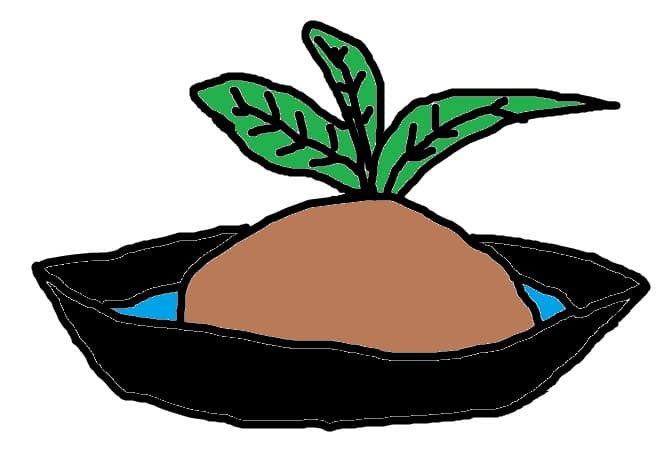
Children Indoor Plant Growing Activities. Here are 7 ideas for how to do some fun growing activities and keep children busy. Activities include an onion person, a Humpty Dumpty potato or swede, an egg shell garden, wheat people and more. Young […]
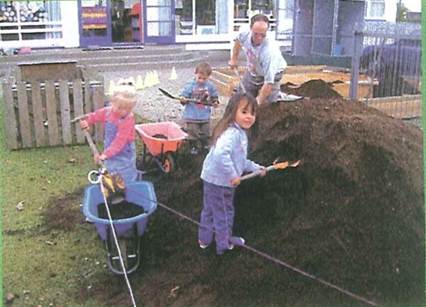
Edible gardens in early childhood centres and homes provide a valuable resource for teaching many aspects of the early childhood curriculum while also creating and sustaining a regular growth and supply of fruits and vegetables. One of the joys of […]
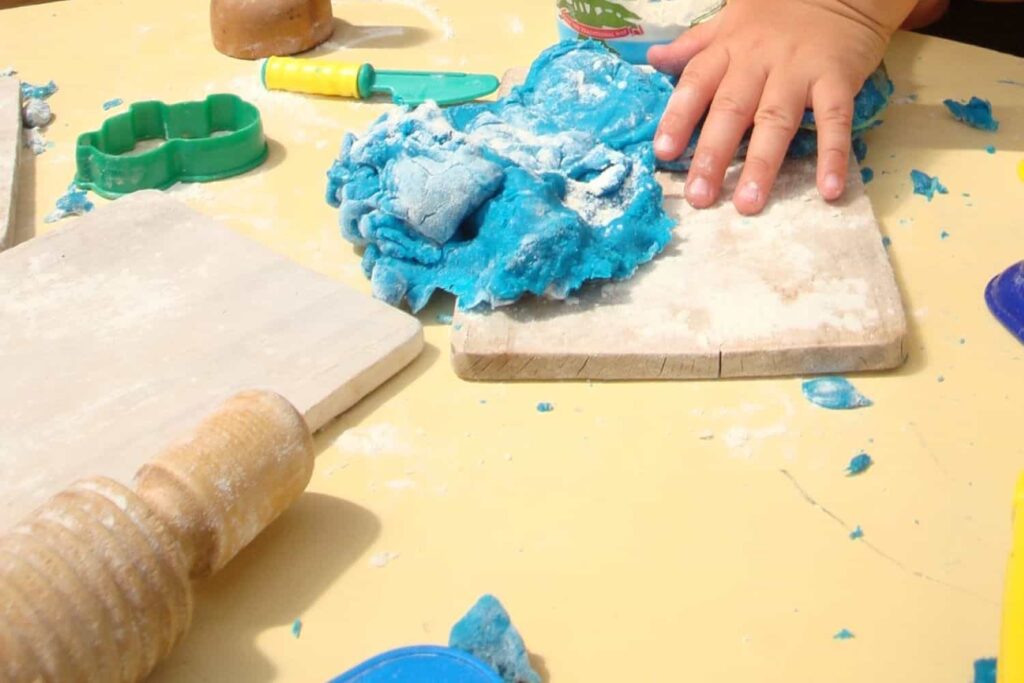
Playing with playdough is an everyday occurrence at many ECE services, but the humble activity is subject to frequent debate with suggestions that playdough and other food based play ideas are culturally insensitive. The debate is not new – it […]
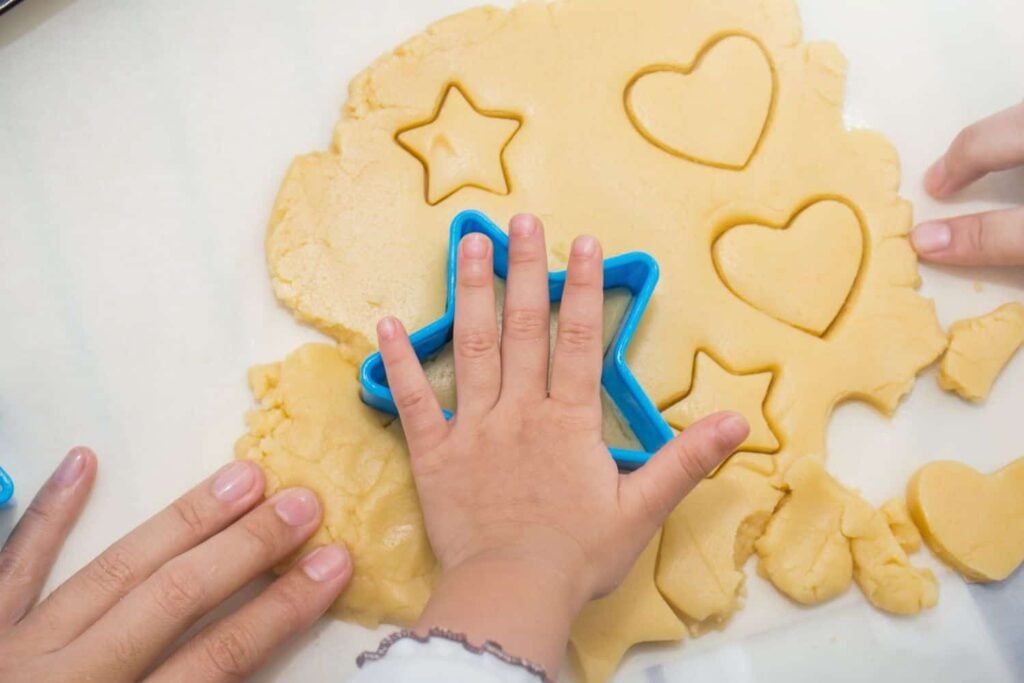
Children’s Playdough in ECE. Here we’ve got an all-time favourite recipe of early childhood teachers for cooked playdough. We also include recipes for: uncooked playdough and special playdough suitable for shaping into Christmas tree ornaments and gifts to be painted later when hardened. […]

Sign up to our mailing list.
You can unsubscribe at any time.
See our Privacy Policy and website T & Cs
© 2002 –
The OECE (& ChildForum)
Help spread this vital ECE information, join our free social and email groups and become a member of OECE.

Sign up to our free newsletters.